Retrofitting Hydronic Heating Melbourne: The 2026 Homeowner’s Guide
What if your drafty Victorian terrace or high-ceilinged Edwardian home could offer the same silent, consistent warmth as a brand-new build? Many homeowners assume that retrofitting hydronic heating Melbourne is too invasive or expensive for an older property, but the 2026 landscape has changed the rules. You’re likely tired of the dry, dusty air from old ducted systems that triggers family asthma, or those stubborn cold spots in rooms with four-metre ceilings. It’s frustrating to pay rising energy bills for heating that never quite reaches every corner of your home.
We understand the anxiety surrounding the mess and cost of a major upgrade, but the reality is more surgical and efficient than you might think. This guide will show you how to transform your existing home into a sanctuary of healthy, radiant warmth while future-proofing your property against upcoming gas prohibitions. We’ll walk you through the latest air-to-water heat pump technology, explain how to maximize 2026 government rebates like the VEU program, and preview the step-by-step process of installing a dust-free system that protects your family’s health and your home’s heritage charm.
Key Takeaways
- Discover why retrofitting hydronic heating Melbourne is the preferred choice for 2026, offering a silent and dust-free alternative to outdated ducted systems.
- Learn why radiator panels are the most effective “surgical” solution for preserving the character of Melbourne’s heritage homes while providing modern thermal comfort.
- Understand the transition to electric heat pumps and how to leverage 2026 VEU rebates to future-proof your home against rising gas costs.
- Get a clear overview of the installation journey, from initial heat load calculations to identifying sub-floor access points for a seamless upgrade.
- See how a professional retrofit improves indoor air quality by eliminating the circulation of allergens and dust common in traditional heating methods.
Is Retrofitting Hydronic Heating Possible in Your Melbourne Home?
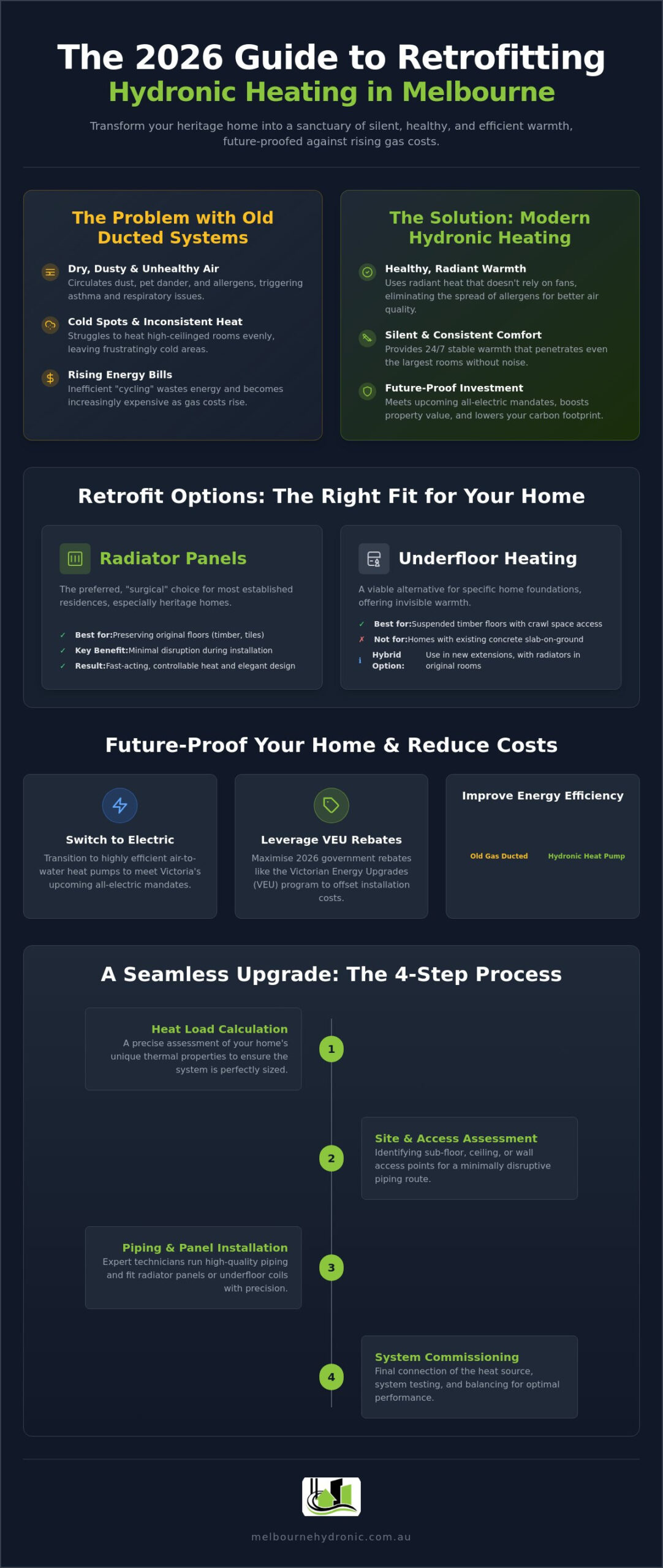
Many Melbourne residents believe that the luxury of radiant warmth is reserved for modern architectural builds. This is a misconception. Retrofitting is the specialized process of integrating hydronic infrastructure into an already-built property, allowing you to enjoy premium comfort without a total renovation. In 2026, we’re seeing a massive surge in homeowners choosing these upgrades over simply replacing aging ducted gas units. The reasons are clear: superior air quality, lower running costs, and a significant boost in property value. A hydronic retrofit is a non-invasive comfort upgrade for existing Victorian dwellings.
Most projects follow one of two primary paths. The first involves installing hydronic radiator panels, which are often the preferred choice for heritage homes in suburbs like Carlton or Geelong. These panels provide rapid, controllable heat and act as elegant design features. The second path is the installation of Underfloor Heating Systems. While some providers focus only on homes with generous crawl spaces, a true expert evaluates the entire structure. A “retrofit-friendly” home typically offers sub-floor access, accessible ceiling cavities, or internal stud walls. These features allow our technicians to run high-quality piping with minimal disruption to your daily life, even in double-brick or slab-on-ground constructions.
The Health Case for Hydronic Retrofits
For families dealing with Melbourne’s notoriously high allergy rates, the health benefits are often the deciding factor. Unlike 90s-era ducted systems that circulate dust, pet dander, and allergens through floor vents, hydronic systems use radiant heat. This method doesn’t rely on fans. It simply warms the objects and people in the room. This eliminates the dry, irritated eyes and respiratory issues caused by forced-air heating. In older double-brick homes, retrofitting hydronic heating Melbourne creates a healthy thermal mass. This ensures the structure itself stays warm and dry, which effectively prevents the mould growth often triggered by damp Victorian winters.
Melbourne Climate and Energy Efficiency
Melbourne’s winter is famously unpredictable and damp. Traditional heaters often struggle to maintain a consistent temperature in high-ceilinged rooms, leading to expensive “cycling” where the heater turns on and off constantly. Retrofitting hydronic heating Melbourne ensures 24/7 consistent warmth that penetrates even the largest rooms. As Victoria moves toward all-electric mandates, switching to a system powered by an electric heat pump future-proofs your investment. You aren’t just buying a heater; you’re upgrading your home’s infrastructure to meet the environmental and economic standards of the next decade while significantly reducing your carbon footprint.
Retrofit Options: Radiator Panels vs. Underfloor Heating
Choosing the right delivery method for your home depends largely on your existing architecture and floor type. While new builds often integrate heating directly into a concrete slab, hydronic heating panels are the preferred choice for most established residences. They offer a significantly lower level of disruption compared to floor coils. In heritage-heavy suburbs like Carlton or Armadale, radiator panels are considered the gold standard. They allow homeowners to preserve original Baltic pine floorboards or intricate Victorian tiling that would otherwise be destroyed during a floor-based installation. Retrofitting hydronic heating Melbourne doesn’t have to mean a total demolition of your interior; it’s about choosing the path that respects the building’s history.
Underfloor retrofitting is a viable alternative, but it’s highly specific to your home’s foundation. It works exceptionally well with suspended timber floors where there is sufficient crawl space access. However, it isn’t practical for existing concrete slabs-on-ground, as the cost of grinding the slab or raising floor heights is often prohibitive. Many Melbourne families now opt for a “hybrid” approach. This involves installing underfloor coils in a new, modern rear extension while using elegant radiators for the original front rooms and upstairs bedrooms. This strategy provides the best of both worlds: invisible warmth in high-traffic living areas and fast-acting, controllable heat in sleeping quarters.
Radiator Panel Retrofits: The Low-Disruption Choice
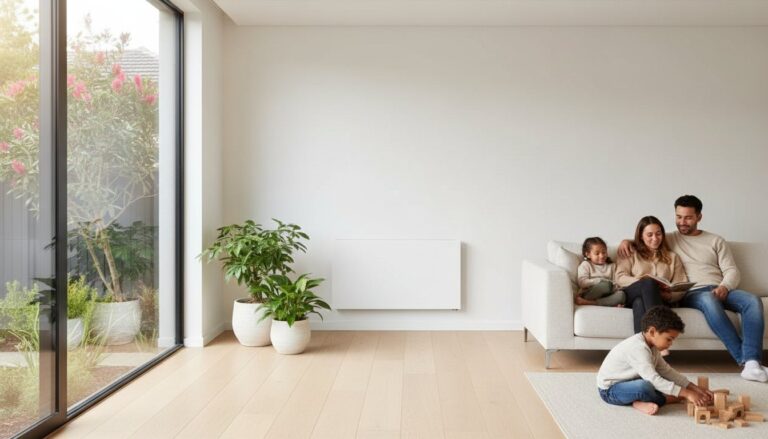
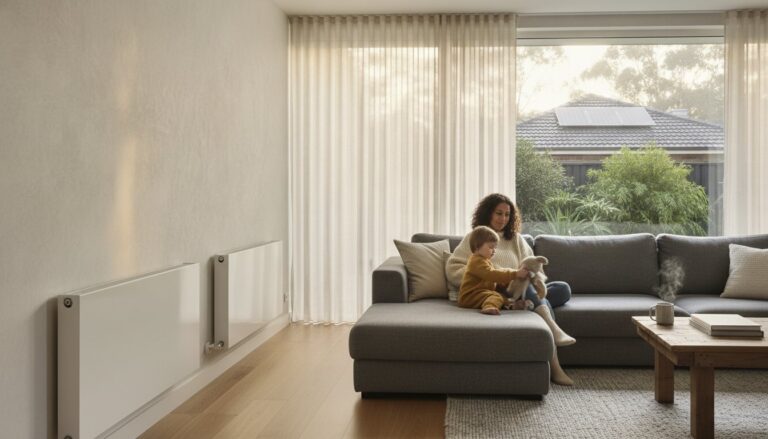
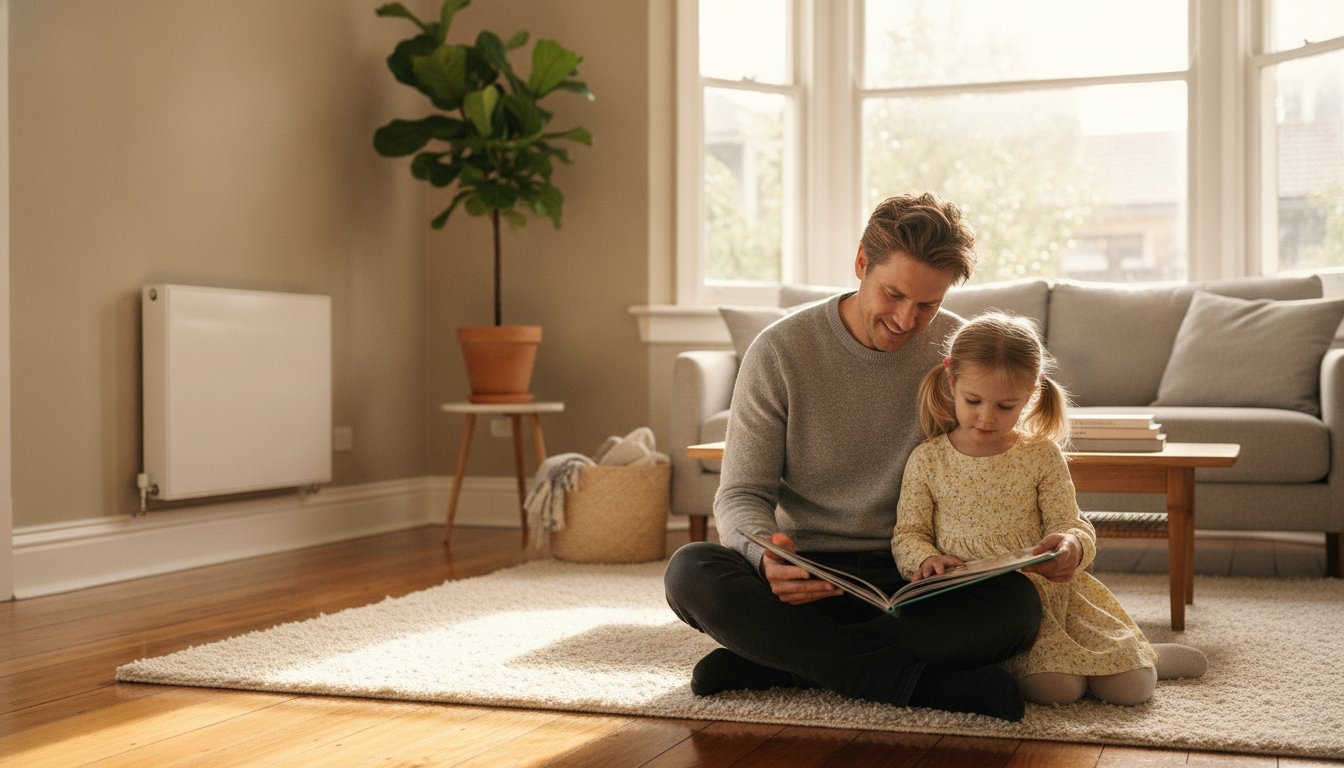
The beauty of a radiator system lies in its “surgical” installation. Our technicians typically hide the necessary pipework behind high-profile skirtings or within internal wall cavities. This keeps the aesthetic clean and professional. You can select radiator styles that range from sleek, minimalist flat panels to traditional cast-iron designs that complement period architecture. Because the work is localized to specific wall points, these installations are often completed in just a few days. It’s a fast way to access energy efficient heating without the weeks of mess associated with other renovations.
Underfloor Retrofits for Existing Timber Floors
If you have a crawl space under your home, we use the “staple-up” method for underfloor heating. We install high-quality PEX piping between the floor joists from underneath the house. We then attach aluminium heat transfer plates to the underside of the floorboards to ensure the thermal energy spreads evenly across the wood. To make this effective, we add thick layers of insulation below the pipes. This ensures the heat moves upward into your home rather than being lost to the cold ground. If you’re curious about which system suits your specific floorplan, consulting a local retrofit specialist is the best first step.
Future-Proofing with Electric Heat Pumps
In 2026, the conversation around retrofitting hydronic heating Melbourne has shifted decisively toward electrification. While gas boilers were once the standard, Victorian homeowners are now prioritizing electric heat pumps. This change is driven by the state’s move away from residential gas connections and the rising costs of fossil fuels. Transitioning to a heat pump isn’t just about environmental responsibility; it’s a strategic move to insulate your household from volatile energy markets. By choosing an electric source now, you ensure your home remains compliant with evolving Victorian building regulations and maintains a high resale value.
A heat pump retrofit requires a bit more technical planning than a simple boiler swap. You’ll need a suitable outdoor space for the unit, which resembles a large air conditioning compressor but operates with a much lower acoustic profile. We also evaluate your electrical switchboard to ensure it can handle the additional circuit. Many older Melbourne properties require a minor electrical upgrade during the installation, but this is a routine part of our “surgical” retrofit process. The result is a system that integrates perfectly with existing solar PV panels. This allows you to use your home as a “solar sponge,” heating your water during the day for free and enjoying that stored warmth throughout the evening. For a broader look at how these technologies compare, Sustainability Victoria’s guide to heating systems offers excellent context on the efficiency of modern heat pumps.
Heat Pump vs. Gas Boiler in a Retrofit
Heat pumps deliver incredible efficiency, often reaching 300% to 400%. This means for every 1kW of electricity consumed, you receive 3kW to 4kW of heat. A gas boiler can never exceed 100% efficiency. Modern heat pumps are designed for longevity and don’t require the same combustion-related maintenance as gas units. You also gain superior zoning control. You can precisely manage the temperature of retrofitted rooms independently, ensuring you don’t waste energy heating unoccupied spaces in a large Victorian home.
Victorian Energy Upgrades (VEU) and Rebates
In 2026, the Victorian Government continues to support the transition to electric hydronics through the VEU program and Solar Victoria rebates. These incentives significantly reduce the upfront cost of retrofitting hydronic heating Melbourne when switching from an old gas system. To qualify, the installation must meet strict efficiency criteria and be performed by licensed professionals. The long-term ROI is compelling. When you combine government support with the reduced running costs of a heat pump, the system typically pays for itself much faster than traditional gas alternatives.
The Retrofit Process: What to Expect During Installation
Understanding the logistics of retrofitting hydronic heating Melbourne is the best way to alleviate any anxiety about the upgrade. Unlike a standard heater replacement, a hydronic retrofit is a bespoke engineering project tailored to your home’s unique footprint. It begins with data. Our engineers calculate the exact thermal requirements of every room, considering window sizes, ceiling heights, and insulation levels to ensure the system is perfectly sized. We map the property to identify the most efficient pipe routes, whether they run through sub-floor crawl spaces or roof cavities. This surgical approach ensures we preserve your home’s character while delivering 21st-century comfort.
Step 1: Design and Route Planning
Precision is the hallmark of a successful installation. We determine the exact kilowatt requirements for each retrofitted room to prevent under-heating or energy waste. During this phase, we decide between copper or multi-layer PEX piping for the distribution network. While copper is traditional, modern PEX is often preferred for retrofits because its flexibility allows for longer runs with fewer joints. We also select a discreet manifold location, typically inside a laundry cupboard or under a staircase, to centralize the system’s control without impacting your living space.
Step 2: Infrastructure and Disruption Management
We take disruption management seriously. Our technicians use protective drop sheets and specialized dust extraction tools to safeguard your furniture and heritage plasterwork. For underfloor projects, a “sufficient crawl space” generally means at least 400mm to 500mm of clearance. This allows our team to work safely and effectively beneath your floorboards. In double-storey Melbourne homes, we utilize existing internal wall cavities or redundant chimney flues to route pipes between levels, avoiding the need for unsightly external ducting or major structural changes.
Step 3: Commissioning and Handover
The final phase is where the technical precision truly shines. We pressure test the entire system to ensure 100% leak-free operation before any water is introduced. Once filled, we “balance” the system, adjusting the flow to every radiator or floor coil so that heat distribution is perfectly even across the house. We then program your smart thermostats to align with your family’s schedule and the specific demands of a Melbourne winter. Finally, we provide a comprehensive walkthrough so you feel confident managing your new system. If you want to see how this process applies to your specific property, you can book a specialist site assessment to get started.
Why Melbourne Hydronic Heating is the Retrofit Expert
Choosing a partner for retrofitting hydronic heating Melbourne is about more than finding a licensed installer. It’s about trusting your home to someone who understands the architectural soul of Victoria. Since 1990, our family-owned business has specialized in the delicate art of the surgical retrofit. We’ve spent over 30 years working inside the crawl spaces of Geelong weatherboards and the thick masonry of Melbourne’s heritage terraces. This deep-seated local experience allows us to anticipate structural challenges that others might miss, ensuring your installation is seamless and your home’s character remains untouched.
We prioritize long-term system performance over quick, high-volume sales. Our reputation is built on the reliability and technical precision of our work, which is why we provide comprehensive servicing and support for every system we commission. When you choose us, you’re gaining a lifetime consultant for your home’s comfort and energy efficiency. We don’t just install pipes and panels; we create a bespoke climate control solution that evolves with your needs, backed by three decades of engineering expertise.
Our Local Expertise in Victoria
Every Melbourne suburb has its own thermal personality. A drafty Edwardian in Camberwell requires a different hydraulic design than a modern renovation in Port Melbourne. We understand the specific thermal challenges of double-brick versus weatherboard homes, ensuring that your radiator panels or floor coils are positioned for maximum radiant efficiency. Our commitment to excellence extends to our supply chain. We exclusively use high-performance, European-made components. These parts are designed to withstand the test of time and provide the highest levels of energy efficiency available in 2026, ensuring your retrofitting hydronic heating Melbourne project is a once-in-a-generation investment.
Start Your Retrofit Journey Today
Taking the first step toward a healthier, warmer home is simple. Before your initial consultation, we recommend identifying your main cold zones and locating any existing floor plans. This information helps our experts map out a non-invasive pipe network during the site visit. We believe in the value of a professional design phase. It’s the only way to guarantee that your system will be balanced, efficient, and perfectly suited to your lifestyle. Don’t settle for a generic heating solution that compromises your home’s air quality. Book your Melbourne hydronic retrofit consultation with our experts today and experience the difference that 30 years of local specialization makes.
Transform Your Melbourne Home with Radiant Warmth
Upgrading your existing property doesn’t require a total demolition or a compromise on your home’s architectural character. As we’ve explored, retrofitting hydronic heating Melbourne is a surgical, highly efficient process that replaces the dry, dusty air of old ducted systems with silent, allergy-friendly warmth. By choosing modern radiator panels or underfloor coils powered by high-efficiency electric heat pumps, you’re not just improving your immediate comfort; you’re future-proofing your property against rising gas costs and upcoming environmental regulations.
With over 30 years of specialist experience across Melbourne and Geelong, our family-owned team understands the technical precision required for both heritage and modern retrofits. We combine our deep expertise in electric heat pump technology with a dedicated service and maintenance team to ensure your system performs perfectly for decades to come. Don’t let another damp Victorian winter pass in a drafty house. It’s time to invest in the premium lifestyle and improved indoor air quality that your family deserves.
Request a Retrofit Consultation for Your Melbourne Home
Take the first step toward a healthier, more sustainable living environment today. Our expert consultants are ready to help you design a bespoke radiant heating solution that fits your home perfectly.
Frequently Asked Questions
Can I retrofit hydronic heating if my house is on a concrete slab?
Yes, you can, though radiator panels are almost always the superior choice for slab-on-ground homes. Installing underfloor coils on an existing slab requires grinding the concrete or raising the floor level, which is often cost-prohibitive and impractical. Radiator panels allow us to run pipework through the ceiling or wall cavities with minimal structural impact, delivering the same premium radiant warmth without compromising your home’s foundation.
How much disruption does a hydronic retrofit cause to my daily life?
A professional retrofit is far less disruptive than a standard renovation. Most radiator installations are completed within a few days, and our team uses specialized dust extraction and protective coverings to safeguard your interior. We plan the pipe routes meticulously to avoid major structural changes, meaning you can typically remain in your home while the work is being performed. We prioritize a clean, methodical workspace to ensure your daily routine remains stable.
Is a hydronic retrofit more expensive than a new build installation?
Retrofitting hydronic heating Melbourne typically involves higher labor costs than a new build installation because we must navigate existing walls and floors. In a new build, pipes are laid before the slab is poured or the walls are closed. However, a retrofit is a high-value investment that significantly improves the thermal performance and air quality of an older property, often yielding a higher return on investment through energy savings and increased resale value.
Will retrofitting radiators affect the heritage value of my home?
When performed by specialists, a retrofit actually preserves and enhances the heritage value of Melbourne homes. We offer a range of traditional cast-iron or minimalist panels that complement Victorian and Edwardian aesthetics. By hiding pipework behind existing skirtings or within internal cavities, we ensure the system feels like an original part of the home’s infrastructure rather than an afterthought, protecting your property’s architectural integrity.
Can I use my existing gas boiler for a new hydronic retrofit?
While it’s technically possible to connect a new retrofit to an existing hydronic boiler, we don’t recommend it for projects in 2026. Older gas boilers lack the efficiency of modern condensing units or electric heat pumps. Given Victoria’s transition away from residential gas, investing in a modern heat pump ensures your system is future-proof, compliant with new regulations, and capable of integrating with solar PV to lower your annual running costs.
How long does it typically take to retrofit hydronic heating in a 3-bedroom house?
A standard radiator retrofit for a three-bedroom Melbourne home typically takes between three and five days to complete. This timeline includes the installation of the heat source, the distribution pipework, and the mounting of the panels. Underfloor retrofits via a crawl space may take slightly longer due to the complexity of working beneath the floorboards. We provide a specific schedule after our initial site-specific heat load calculation and route planning.
Do I need to upgrade my electrical switchboard for a heat pump retrofit?
Most older Melbourne properties require a minor electrical switchboard upgrade to accommodate the dedicated circuit for a hydronic heat pump. Because these units use electricity to move heat rather than burning gas, they have specific power requirements. We assess your current electrical capacity during our site-specific survey and coordinate the necessary upgrades to ensure your new system operates safely and meets all current Victorian electrical standards.
What is the best type of flooring for an underfloor hydronic retrofit?
Suspended timber floorboards are the ideal surface for an underfloor hydronic retrofit. This setup allows us to install piping and aluminum heat transfer plates from the crawl space below, avoiding the need to remove your existing floor finish. While tiles and engineered timbers also work well with radiant heat, the ability to access the joists from underneath makes timber floors the most cost-effective and non-invasive option for a retrofit.