
Choosing the Best Hydronic Boiler in Melbourne: A 2026 Homeowner’s Guide
Since January 1, 2024, new Victorian homes haven’t been allowed to connect to the gas network, a policy shift that has forced a serious conversation about the future of the domestic boiler in Melbourne. You’ve likely noticed your winter energy bills climbing by as much as 25% while your old ducted system circulates more dust and noise than actual warmth. It’s frustrating to feel caught between rising utility costs and the technical confusion of modernising your home.
We believe your living space should be a sanctuary of quiet, dust-free comfort. This guide helps you identify the most efficient hydronic systems and electric heat pumps to secure an allergen-friendly environment that protects your health and your wallet. You’ll learn how to compare the latest European engineering against local Melbourne climate demands to ensure your 2026 investment adds genuine value to your property. We’ll break down the practical transition from traditional gas to high-performance electric solutions so you can make a confident, expert-backed decision for your family’s long-term comfort.
Key Takeaways
- Discover why modern hydronic systems offer a dust-free, allergen-friendly alternative to traditional ducted heating in the unique Melbourne climate.
- Learn how to select the most efficient boiler for your home by comparing the long-term running costs and environmental benefits of gas, electric, and heat pump technologies.
- Understand the critical relationship between your home’s insulation and system capacity to ensure you invest in a perfectly sized unit that avoids wasted energy.
- Navigate the installation process with confidence by ensuring your system meets Victorian Building Authority (VBA) standards for total peace of mind and insurance compliance.
- Gain insights from 30 years of local expertise to find a heating solution tailored specifically to the architectural styles of Greater Melbourne and the Mornington Peninsula.
The Heart of Your Melbourne Home: Understanding Modern Hydronic Boilers in 2026
A hydronic boiler serves as the central engine of your home’s comfort. It circulates heated water through a closed network of pipes to either wall-mounted radiator panels or underfloor coils. Unlike forced-air systems that blow dry air around, modern hydronic heating systems rely on thermal radiation. This technology provides a consistent, gentle warmth that mimics the sun’s rays. In Melbourne, where winter temperatures frequently drop below 7 degrees Celsius during July, maintaining a steady thermal mass is vital for true comfort. It’s not just about heating a room; it’s about creating a sanctuary that retains its temperature even when the Antarctic winds howl across Port Phillip Bay.
Choosing a premium boiler ensures your system operates with the precision required for Victoria’s volatile weather. These units are engineered for longevity, often outlasting traditional air conditioning units by a decade. Because the system doesn’t rely on turbulent air movement, it offers a level of luxury that ducted systems simply can’t match. You’ll enjoy an environment where the heat is felt but the source is neither seen nor heard.
Why Hydronic Boilers Outperform Ducted Heating in Victoria
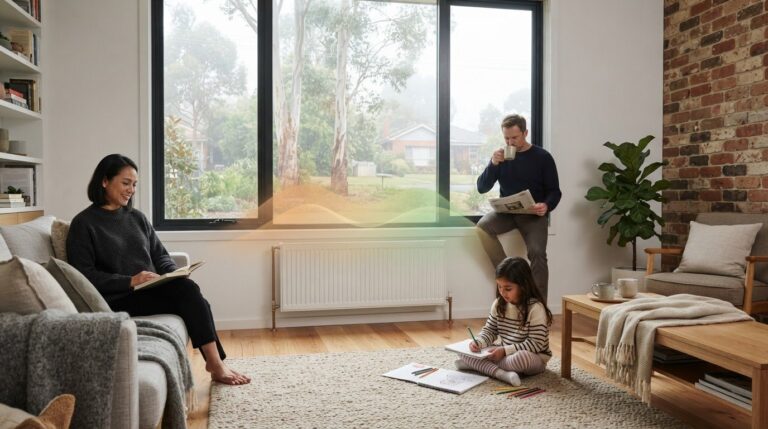
Traditional ducted heating often struggles in Melbourne’s damp climate. It creates hot spots and cold drafts because air loses heat almost immediately once the fan stops. Radiant heat from a hydronic system warms objects and people directly. This means the warmth stays in your floors and walls longer. One of the most significant advantages for local families is the health impact. Ducted systems act as a highway for dust mites and allergens. Because hydronic systems don’t use fans, they provide a 100% dust-free environment. This makes them the gold standard for residents dealing with asthma or hay fever. You’ll also notice the silence. There are no rattling vents or loud fan units, just a quiet, efficient operation that respects your peace of mind.
The Shift from Gas to Electric: What Melbourne Homeowners Need to Know
The Victorian energy landscape changed significantly following the state government’s move to phase out gas connections in new residential builds. By 2026, many Melbourne homeowners are looking to transition away from fossil fuels to future-proof their property value. Rising gas tariffs have made high-efficiency electric heat pump boiler solutions an attractive alternative to traditional gas units. If you aren’t ready for a full electric conversion, hybrid systems offer a strategic bridge. These setups combine a gas unit with an electric heat pump. This allows you to optimize your energy usage based on current utility prices and outdoor temperatures, ensuring you always have the most cost-effective heating available.
Comparing Your Options: Gas, Electric, and Heat Pump Boilers for Hydronic Systems
Selecting the right boiler isn’t just about heat; it’s about matching your property’s infrastructure with your long-term energy goals. Melbourne residents typically choose between gas, electric, and heat pump sources. Gas units offer a lower initial purchase price, often starting around A$3,500 for quality models, while heat pumps require a larger upfront investment but significantly slash monthly bills. Physical space also dictates your choice. Compact gas units are often wall-mounted and fit neatly in laundry cupboards. In contrast, heat pumps require a dedicated outdoor area for the fan unit, which looks similar to a large air conditioning compressor. Regardless of the energy source, ensuring your unit is compatible with high-performance hydronic heating panels is essential for balanced heat distribution across every room.
High-Efficiency Condensing Gas Boilers: Still a Powerhouse?
Modern condensing technology has redefined gas heating by recycling waste flue gases to achieve thermal efficiency ratings above 90%. For many established Melbourne suburbs where gas connections already exist, a gas boiler remains the most practical retrofit option. It avoids the need for significant electrical switchboard upgrades that some older homes require for heat pumps. European brands like Baxi and Immergas are staples in the local market because they’re built for longevity and precision. They provide the consistent, high-temperature water required for traditional radiator systems. Choosing the right sized system ensures you don’t overpay for capacity you won’t use while maintaining a cozy, dust-free environment during the peak of July.
Electric Heat Pumps: The Future of Fossil-Free Heating
Heat pumps represent the peak of sustainable luxury in the 2026 market. They use a “Coefficient of Performance” (COP) to multiply energy output. A system with a COP of 4.0 delivers four units of heat for every one unit of electricity consumed. This technology extracts ambient heat from the Melbourne air, even on a frosty 5°C morning, to warm your floors and radiators. It’s a silent, healthy solution that pairs perfectly with solar PV arrays to create a carbon-neutral home. You can find more technical data and performance metrics on our dedicated heat pump hydronic heating page. If you’re looking to future-proof your property with a premium European system, you can speak with our expert team for a tailored efficiency assessment.
Sizing and Selection: How to Choose the Right Boiler for Your Property’s Needs
Selecting the correct capacity for your boiler is the most critical step in ensuring long-term comfort and system longevity. Many homeowners mistakenly believe a larger unit provides better heating. In reality, an oversized system leads to short-cycling, where the unit turns on and off rapidly. This process increases mechanical wear and can raise energy consumption by up to 15% compared to a correctly sized unit. Since the 2023 updates to the National Construction Code, Melbourne homes must meet stricter energy standards, making precision sizing more important than ever.
Your home’s insulation levels dictate the required kilowatt (kW) output. A 1920s Victorian weatherboard in Footscray with minimal wall insulation requires a significantly higher heat load than a 7-star NatHERS rated townhouse in Glen Iris. Before committing to a specific model, use this checklist to assess your current infrastructure:
- Gas Line Capacity: Ensure your existing gas meter and pipework can handle the megajoule (MJ/h) requirements of a high-performance unit.
- Pipework Integrity: Older iron pipes may require a power flush or replacement before connecting to a modern condensing boiler.
- Domestic Hot Water Needs: Decide between a heating-only unit or a “combi” system. Combi boilers provide both hydronic heating and on-demand domestic hot water, eliminating the need for a separate storage tank. Understanding the full hot water installation cost for Melbourne and Geelong properties helps you budget accurately for this combined investment.
- Flueing Pathways: Modern condensing units require specific plastic flues to manage acidic condensate, which may differ from your old heater’s chimney path.
Calculating Heat Load for Melbourne’s Variable Climate
Melbourne’s weather can swing 15 degrees in a single afternoon. Modern architectural designs in suburbs like South Yarra often feature 3-metre ceilings and expansive glass facades, which significantly increase heat loss. A professional heat load calculation is non-negotiable. It accounts for the thermal mass of your flooring; for instance, a concrete slab with underfloor heating coils retains heat for 12 to 24 hours, whereas wall-mounted radiators provide a quick response within 20 minutes. Understanding boiler efficiency ratings ensures you choose a unit that maintains a steady, dust-free indoor climate without wasting energy during milder spring days.
Indoor vs. Outdoor Units: Space-Saving Solutions for Bayside and Inner-City Homes
Space is a premium in Richmond and Prahran. Compact, wall-mounted indoor units fit discreetly inside kitchen cabinetry or European laundries, providing a sleek look for contemporary Victorian interiors. If indoor space isn’t available, outdoor-rated units are engineered to withstand Melbourne’s coastal salt air and rain. When opting for outdoor placement, especially with modern heat pump hybrids, we prioritise positioning to meet local council noise regulations. This ensures your silent, allergen-friendly heating doesn’t disturb the peace of your neighbours. Modern designs now feature minimalist casing that blends into the clean lines of 2026 architectural trends, proving that high-performance engineering can also be aesthetically pleasing.
The Installation and Replacement Process: Ensuring Efficiency and Compliance
Upgrading your home heating isn’t just about swapping one unit for another. It’s a precise engineering transition that dictates your comfort for the next 15 to 20 years. Your journey begins with a detailed onsite consultation where we calculate heat loss and pipework integrity. Once the design is finalised, our technicians handle the physical installation, followed by rigorous commissioning to ensure the system operates at its peak European-engineered efficiency. If you aren’t sure if your system is ready for an upgrade, our detailed guide on boiler replacements outlines the critical warning signs every Melbourne homeowner should monitor.
Victorian Regulations and VBA Compliance for Boiler Replacements
Legality and safety are non-negotiable in the Victorian heating industry. Any gas or plumbing work in Melbourne exceeding a value of A$750 requires a formal Compliance Certificate issued through the Victorian Building Authority (VBA). This document is your proof that the work meets Australian Standards (AS/NZS 5601.1) and is vital for maintaining your home insurance validity. Only licensed hydronic specialists possess the specific credentials to handle these high-pressure systems. We also manage local council permits if your outdoor unit placement sits close to property boundaries or requires specific noise attenuation to meet residential zone requirements.
Maximising Longevity with Power Flushing and System Protection
While a new boiler offers immediate efficiency gains, its lifespan depends on the health of your existing radiators and pipes. Over time, internal corrosion creates “black sludge” or magnetite that can choke a modern heat exchanger within months. We perform a comprehensive power flush during the replacement process to scrub the internal veins of your system clean. A magnetic filter prevents premature heat exchanger failure by capturing metallic debris before it enters the sensitive internal components of your new unit. To protect your investment further, we use chemical inhibitors to balance the water pH. This proactive approach, combined with annual professional servicing, ensures your manufacturer warranty remains fully intact while providing the dust-free, allergen-friendly warmth your family deserves.
Ready to secure a more efficient, healthier home for the 2026 winter season? Contact our Melbourne experts today for a professional installation assessment.
Investing in Comfort: Why Melbourne Hydronic Heating is the Local Expert Choice
Choosing the right heating system is a decades-long commitment to your family’s well-being. Since 1996, Melbourne Hydronic Heating has served the Greater Melbourne and Mornington Peninsula regions, bringing 30 years of specialized experience to every installation. As a family-owned business, we don’t just see houses; we see homes that require specific solutions based on their unique architectural bones. Whether you’re renovating a heritage Victorian terrace or building a contemporary seaside retreat, our team understands the structural nuances of local housing stock.
We believe that a high-performance boiler should be the silent heart of your home. To ensure this, we exclusively source premium European components known for their longevity and precision engineering. By combining world-class hardware with our deep-rooted local knowledge, we deliver systems that operate with 95% or higher energy efficiency. This focus on quality reduces long-term running costs while providing the most comfortable, radiant warmth available in the Australian market.
Custom Design for Long-Term Performance
Melbourne’s weather is notoriously unpredictable, but your indoor climate shouldn’t be. We design systems that account for specific local microclimates. A home in the humid, elevated Dandenong Ranges has vastly different thermal requirements than a property exposed to the coastal winds of Geelong. We specialize in integrated solutions, often pairing elegant wall-mounted radiators in bedrooms with luxurious underfloor heating in open-plan living areas. Our relationship with clients continues long after the initial install through dedicated post-installation support and scheduled maintenance programs, ensuring your system remains peak-efficient for years.
Ready to Upgrade Your Home Heating?
Experience the transformative power of a heating system that’s completely silent, dust-free, and allergen-friendly. Hydronic heating doesn’t move air around, which means it won’t circulate pollen or pet dander, making it the healthiest choice for Melbourne families. It’s time to move away from dry, forced-air systems and embrace the gentle luxury of radiant heat. We’ve helped thousands of homeowners future-proof their properties against rising energy costs with sustainable, low-emission technology.
Visit our showroom to see the latest European boiler technology in action, or contact us today to book a comprehensive on-site assessment. Our experts will walk you through a tailored design process that fits your lifestyle and your budget perfectly. Let’s make your home the sanctuary it deserves to be.
Future-Proof Your Melbourne Home Today
Choosing the right heating system is a decision that impacts your family’s health and comfort for the next 15 to 20 years. Modern hydronic technology has evolved significantly by 2026, offering dust-free, allergen-friendly warmth that traditional ducted systems simply cannot match. By selecting a high-performance hydronic system from a premium European brand, you’re investing in hardware that operates silently while maintaining consistent temperatures across every room. Our 30+ years of local experience shows that the right sizing and professional VBA licensed installation are the most critical factors for long-term efficiency and regulatory compliance in Victoria.
Transitioning to a more sustainable, energy-efficient home doesn’t have to be complicated. Our specialists provide the technical expertise needed to navigate gas, electric, and heat pump options available in the current market. We focus on delivering a luxury heating experience that combines engineering precision with the cozy atmosphere your household deserves. It’s time to experience the difference that expert local knowledge and world-class hardware make to your daily life.
Request a professional boiler assessment for your Melbourne home and take the first step toward a superior winter experience. We look forward to helping you create the perfect climate for your home.
Frequently Asked Questions
Is gas still a viable option for a new boiler in Melbourne in 2026?
Gas remains a legal and functional choice for Melbourne homeowners replacing an existing unit in 2026, even though the Victorian government restricted gas connections for new residential builds starting January 1, 2024. High-efficiency condensing gas systems continue to provide reliable, allergen-friendly warmth for older homes with existing infrastructure. If you aren’t ready for a full electric conversion, these modern units offer a significant upgrade in energy efficiency over older models.
How much does it cost to replace an old hydronic boiler in Victoria?
Replacing a standard hydronic boiler in Victoria typically costs between A$5,000 and A$9,000 for the unit and professional installation. This price range depends on whether you select a premium European condensing model or a standard replacement unit. If your home requires significant pipework modifications or a change in energy source, costs will vary. We recommend a professional site assessment to ensure your system provides the quiet, luxurious comfort your family deserves.
Can I switch from a gas boiler to an electric heat pump without changing my radiators?
You can often keep your existing radiators when switching to a heat pump, but a technician must verify they’re sized correctly for lower water temperatures. Heat pumps usually operate at 45 to 55 degrees Celsius, while traditional gas systems run at 70 degrees. This means your current panels might only produce 60 percent of their original heat output. A technical calculation ensures your home stays warm without the need to replace every radiator in the house.
What is the lifespan of a modern hydronic boiler?
A modern, well-maintained hydronic boiler typically lasts between 15 and 25 years in Melbourne conditions. Premium European brands often reach the upper end of this range because they use high-quality components like stainless steel heat exchangers. Regular annual maintenance is the most effective way to protect this investment. This ensures your system continues to provide a healthy, dust-free environment for your family for more than two decades.
How often should I have my hydronic boiler serviced in Melbourne?
You should have your hydronic system professionally serviced once every 12 months, ideally before the first cold snap in April or May. Annual tuning maintains peak energy efficiency and prevents minor wear from turning into an expensive mid-winter breakdown. Our technicians check gas pressures, safety valves, and system pH levels during these visits. This routine care ensures your home remains a safe, warm sanctuary throughout the damp Melbourne winter. For comprehensive maintenance guidance, our hydronic heating service Melbourne guide provides detailed steps to optimize your system’s performance and extend its lifespan.
Are there Victorian government rebates available for upgrading to a heat pump boiler?
Yes, the Victorian Energy Upgrades (VEU) program and Solar Victoria provide rebates for homeowners transitioning from gas to high-efficiency electric heat pumps. As of 2024, eligible households can access discounts worth hundreds or even thousands of dollars depending on the specific system and existing setup. These incentives help offset the A$10,000 to A$15,000 initial investment required for advanced heat pump technology. It’s a strategic way to move toward a sustainable, future-proof heating solution.
What is the smallest boiler option for a small Melbourne unit or apartment?
Compact wall-mounted condensing units are the most space-efficient choice for Melbourne apartments, with many models measuring just 700mm high and 400mm wide. These units fit neatly inside kitchen cabinetry or small laundry cupboards without sacrificing heating performance. They provide the same luxurious, silent heat as larger residential models while occupying minimal square footage. For all-electric apartments, a small monobloc heat pump installed on a balcony is a popular, modern alternative.
Will a heat pump boiler be loud enough to bother my neighbors?
Modern heat pump boilers operate at noise levels between 45 and 55 decibels, which is similar to the hum of a quiet refrigerator. This falls well within the 5-decibel limit above ambient noise required by most Victorian local councils for night-time operation. Choosing a premium model with an “ultra-quiet” mode ensures your neighbors won’t be disturbed during the night. Correct placement on a vibration-dampening base further reduces any sound transfer through your home’s walls.