Electric Hydronic Heating in Melbourne: The 2026 Buyer’s Comparison Guide
Victoria’s January 1, 2024 ban on new residential gas connections wasn’t just a policy shift; it was the starting gun for a total transformation of how we warm our homes. If you’re watching gas prices climb while planning a renovation or new build, you likely feel the pressure to find a sustainable alternative that doesn’t sacrifice comfort. We know the transition feels complex, especially when you’re trying to weigh the upfront investment against long-term energy savings. This guide helps you discover the most efficient way to install electric hydronic heating in Melbourne for 2026, ensuring you achieve that signature quiet, dust-free radiant warmth while protecting your property’s market value.
You’ll learn the critical differences between high-efficiency air-to-water heat pumps and compact electric boilers, including how modern solar integration can drastically reduce your daily running costs. We’ll compare the latest European technology and local installation standards to provide a clear roadmap for a fossil-fuel-free home that remains perfectly healthy and cozy through every Melbourne winter.
Key Takeaways
- Understand how the Victorian gas ban impacts your home and why transitioning to modern water-based systems is the most effective way to future-proof your comfort.
- Learn the critical differences between air-to-water heat pumps and compact boilers to select the right electric hydronic heating configuration for your property.
- Discover how to interpret Coefficient of Performance (COP) ratings to minimize running costs while maintaining peak efficiency in Melbourne’s variable climate.
- Identify the ideal distribution method—whether radiators, underfloor, or trench heating—to achieve a silent, dust-free, and allergen-friendly living environment.
- Get a clear roadmap for your electrification journey, including how professional heat load calculations and switchboard audits ensure a seamless installation.
The Shift to Electric Hydronic Heating in Melbourne & Geelong
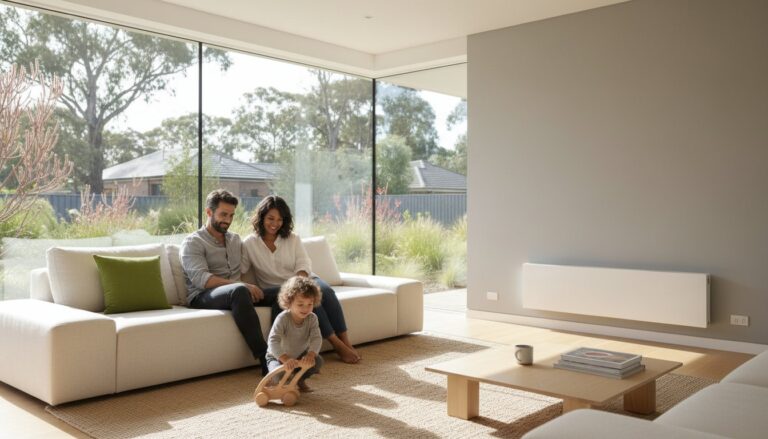
Electric hydronic heating is the gold standard for sustainable climate control in Victoria. This system uses electricity to warm water, which then travels through a network of pipes to deliver warmth via floor coils or wall-mounted radiators. By 2026, the technology has matured to offer three distinct paths: air-to-water heat pumps that harvest energy from the outside air, sleek electric boilers for tight spaces, and standalone electric panels. Melbourne homeowners are moving toward these systems to gain energy independence. When you combine electric hydronic heating with a 6kW or 10kW solar array, you can effectively heat your home for a fraction of the cost of traditional gas.
Victoria’s Gas-Free Future: What You Need to Know in 2026
The landscape of Victorian home energy changed permanently on January 1, 2024, when the state government prohibited gas connections for new residential builds. This regulation has made all-electric living the new baseline for 2026 property values. We’ve seen a massive surge in gas-to-electric conversions as families look to disconnect from the gas grid entirely. Beyond saving on daily supply charges, the health benefits of hydronic heating are a primary motivator for local families. Since the system doesn’t use fans, it doesn’t blow dust, mites, or allergens around the room. It’s the safest choice for the 11 percent of Australians who suffer from asthma, providing a gentle warmth that keeps the indoor air quality pristine.
Radiant vs. Convection: Why Water Beats Air for Comfort
The physics of comfort depends on how heat reaches your body. Hydronic heating relies on radiant energy, which warms objects and people directly rather than just the air. It’s the same sensation as standing in a patch of sunlight on a crisp Geelong morning. Convection systems, like split systems, heat the air, which then rises to the ceiling. This creates “cold spots” and drafts, especially in Melbourne’s older weatherboard homes where insulation might be inconsistent. Electric hydronic heating eliminates these temperature fluctuations. Because there are no moving parts or high-velocity fans, the system operates in near-total silence. You get a steady, enveloping warmth without the dry eyes or noisy background hum associated with air-based heaters.
Electric Heat Pumps vs. Electric Hydronic Boilers
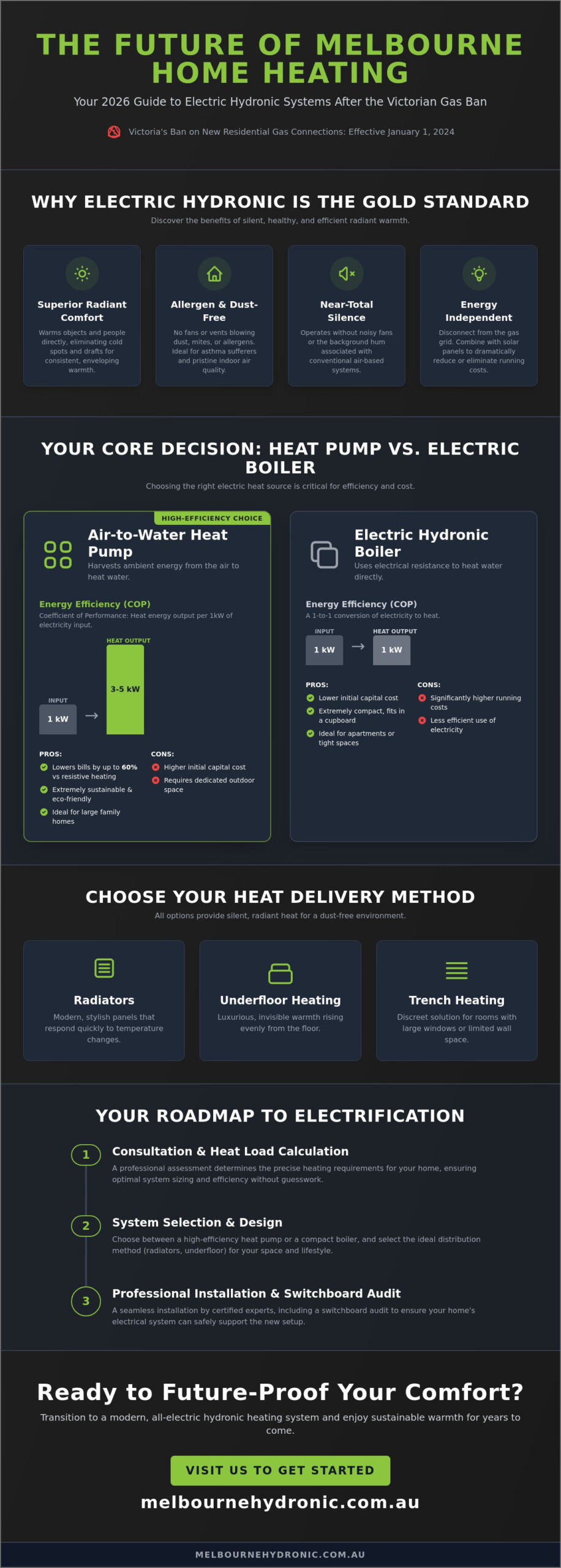
Choosing between a heat pump and an electric boiler is the most critical decision in your transition to electric hydronic heating. While both systems deliver the same silent, dust-free warmth, they operate on entirely different physical principles. Air-to-water heat pumps act like a reverse refrigerator. They extract thermal energy from the outside air and transfer it into your home’s water circuit. Electric boilers work more like a high-powered kettle, using electrical resistance to heat water directly. This technical difference has a massive impact on your long-term running costs and installation requirements.
In Victoria, the choice often hinges on your property’s footprint and your budget. Heat pumps require a dedicated outdoor area for the fan unit, similar to an air conditioning compressor. Electric boilers are remarkably compact, often fitting inside a standard laundry cupboard or on a small section of internal wall. While a boiler has a lower initial capital expenditure, the energy efficiency of radiant heat is maximized when paired with a heat pump. These systems can lower monthly bills by 60% compared to traditional resistive heating, making them the preferred choice for larger family homes.
Air-to-Water Heat Pumps: The High-Efficiency Leader
These systems are the gold standard for sustainability in 2026. Modern melbourne heat pumps achieve a Coefficient of Performance (COP) between 3.0 and 5.0. This means for every 1kW of electricity used, you get 3kW to 5kW of heat. When Melbourne temperatures drop to 2°C overnight, you need a unit with advanced defrost cycles and vapor injection technology. We recommend premium European brands like Stiebel Eltron and Baxi for their proven reliability in Victorian winters. They ensure your electric hydronic heating remains efficient even on the frostiest mornings.
Electric Boilers: When Simplicity and Space Matter
Electric boilers are the perfect solution for inner-city apartments or townhomes where outdoor space is non-existent. They serve as a seamless “drop-in” replacement for old gas boilers, utilizing existing pipework without the need for complex external venting. The installation is fast, often completed in a single day. If you live in a well-insulated, smaller home, the simplicity of a boiler offers a quiet, allergen-friendly environment without the higher upfront cost of a pump system. If you aren’t sure which unit fits your floor plan, you can speak with our expert team for a custom assessment of your space.
- Heat Pumps: High efficiency, outdoor space required, higher upfront cost, massive long-term savings.
- Electric Boilers: 100% efficiency, compact indoor installation, lower upfront cost, higher operational costs for large areas.
Efficiency, COP, and Running Costs in the Melbourne Climate
Understanding the efficiency of electric hydronic heating starts with the Coefficient of Performance (COP). This metric represents the ratio of heat output to electrical input. If a system has a COP of 4.0, it produces four units of heat for every one unit of electricity consumed. In Melbourne’s unique climate, where winter temperatures typically fluctuate between 6°C and 14°C, modern heat pumps operate within their peak efficiency zone. Unlike traditional electric boilers that have a COP of 1.0, high-performance heat pumps leverage ambient air temperature to multiply energy output. Evaluating Heat pump vs. boiler efficiency is the first step for any homeowner looking to escape rising gas prices while maintaining a dust-free, allergen-friendly environment.
Melbourne’s high overnight humidity can occasionally trigger defrost cycles in air-to-water systems. These cycles briefly reverse the system to melt ice on the external coils. While this uses a small amount of energy, the overall seasonal efficiency remains high. To protect your ROI, your home’s thermal envelope is a non-negotiable factor. A residence with R5.0 ceiling insulation and double glazing retains heat significantly longer, allowing the system to “idle” once the target temperature is reached. Homes with high thermal mass, such as those with concrete slab floors, act as a thermal battery, soaking up warmth and releasing it slowly over several hours.
Maximising ROI with Solar PV and Battery Integration
The most effective way to lower running costs is to align your heating cycles with solar production. By “pre-heating” your home between 10 am and 4 pm, you use free solar energy to charge your home’s thermal mass. This strategy reduces the need for power during expensive peak evening periods. Modern heat pump hydronic heating systems can be programmed to prioritise solar gain, effectively turning your floors into energy storage. Based on 2025 Victorian energy data, a typical 4-bedroom Melbourne home switching from an aging gas ducted system to a solar-integrated electric hydronic system can see annual energy bill reductions between $800 and $1,200.
Victorian Rebates and Incentives for 2026
The Victorian government continues to incentivise the transition away from gas through the Victorian Energy Upgrades (VEU) program and Solar Victoria. These initiatives provide significant upfront discounts for households installing energy-efficient heat pumps. In 2026, many homeowners are eligible for rebates exceeding $1,000 when replacing old gas hot water or heating units with high-efficiency electric alternatives. These subsidies, combined with the long-term savings of electric hydronic heating, often result in a system that pays for itself within 7 to 9 years. You can confirm your current eligibility for these local Melbourne financial incentives by visiting the official Solar Victoria portal or consulting with a registered VEU provider.
Designing Your System: Radiators, Underfloor, or Trench Heating?
Choosing the right distribution method is the difference between a system that merely works and one that excels in efficiency. Electric hydronic heating relies on technical precision. If you’re using a modern air-to-water heat pump, your distribution must match its specific output profile. Unlike old gas boilers that pushed water at 75°C, heat pumps are most efficient when delivering water between 35°C and 50°C. This shift requires a thoughtful approach to emitter surface area.
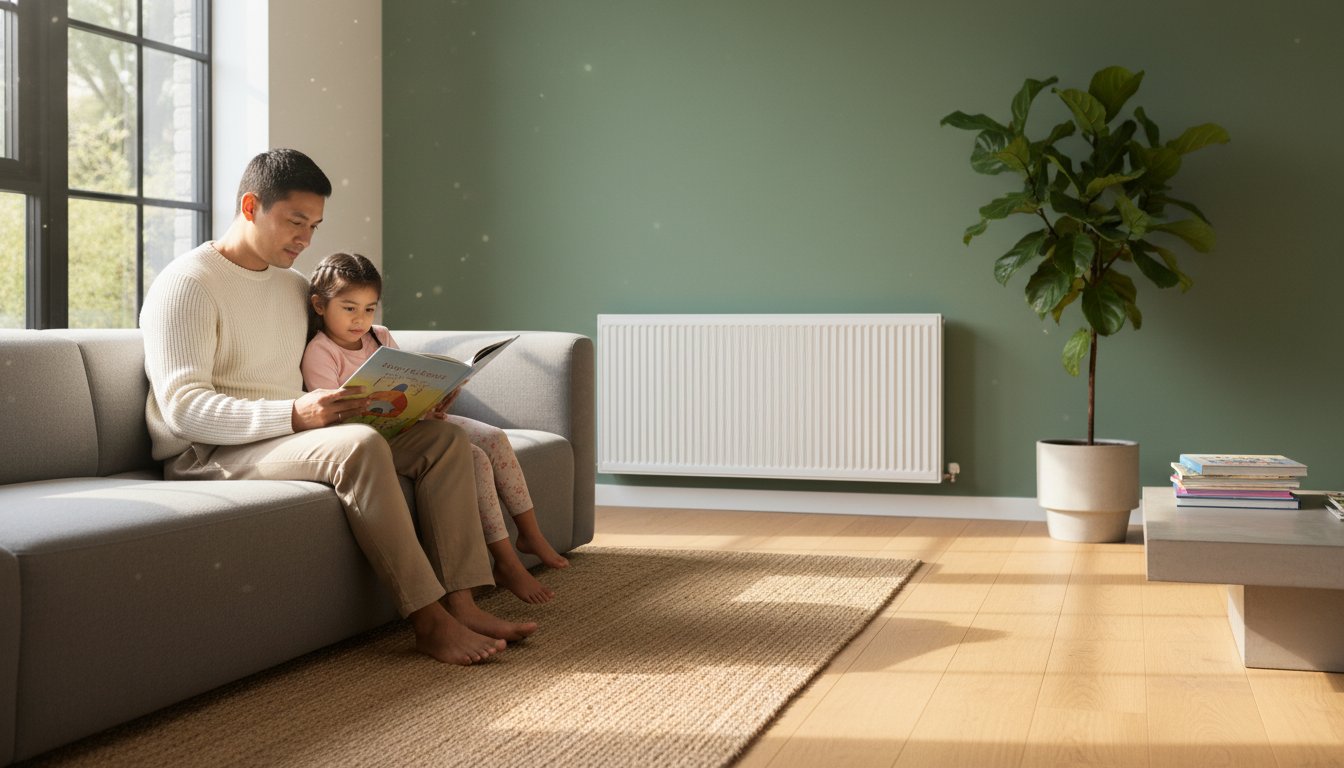
Low-temperature radiator design is the gold standard for heat pump integration. Because the water is cooler, the radiators often need a larger surface area to achieve the same heat transfer. We often specify “Type 22” or “Type 33” panels which feature multiple cooling fins to maximize output without taking up excessive wall space. This design ensures your home stays a consistent 21°C even when Melbourne temperatures drop toward zero in July.
Zoning is your most powerful tool for energy management. By using smart manifolds and individual room thermostats, you can heat only the spaces you’re currently using. Modern 2026 control systems allow you to schedule the bedrooms to warm up just before sleep, while keeping the living areas at a baseline temperature. This granular control typically reduces energy consumption by 20% to 30% compared to traditional “all-on” central heating systems.
Retrofitting Radiator Panels in Existing Melbourne Homes
Heritage properties in suburbs like Carlton or Armadale present unique challenges. A professional hydronic heating installation focuses on preserving architectural integrity. We often use existing floor voids or decorative bulkheads to hide pipework, minimizing disruption to lath-and-plaster walls. Upgrading to electric usually involves replacing older, thin panels with high-efficiency models designed for lower flow temperatures, ensuring your transition from gas doesn’t sacrifice comfort.
Underfloor Heating for New Builds in Geelong and the Surf Coast
For new builds along the coast, slab heating is the ultimate luxury. It utilizes “thermal flywheeling,” where the concrete slab acts as a massive heat battery. This is perfectly suited for the Victorian climate; the slab stays warm long after the heat pump has cycled off. When paired with electric heat pumps, these systems often achieve a Coefficient of Performance (COP) of 4.0 or higher, meaning you get four units of heat for every one unit of electricity consumed.
Ready to select the perfect distribution method for your home? Consult with our Melbourne design experts today.
The Roadmap to Electrification with Melbourne Hydronic Heating
Transitioning to a carbon-neutral home requires a methodical approach that prioritizes engineering over guesswork. We don’t just swap a boiler; we re-engineer your home’s thermal profile. The process begins with a professional heat load calculation. Our specialists analyze your insulation R-values, window orientations, and ceiling heights to ensure your system isn’t undersized or wastefully large. This precision prevents the common mistake of installing a system that struggles during a 5 degree Melbourne morning.
- Step 1: System Design: We create a bespoke blueprint that matches your lifestyle and the architectural needs of your Victorian property.
- Step 2: Electrical Capacity Planning: Modern electric boilers demand significant amperage. We perform a comprehensive switchboard audit to determine if your current infrastructure supports electric hydronic heating or if a three-phase power upgrade is necessary for peak performance.
- Step 3: Accredited Installation: Our Victorian specialists handle the physical setup. This ensures every connection meets AS/NZS 3000 standards and Victorian Building Authority (VBA) requirements.
- Step 4: Ongoing Support: We provide a full walkthrough of your new smart controls and schedule your first performance check-up.
Why Local Expertise Matters in Melbourne
Melbourne’s volatile climate demands a system that reacts quickly to sudden temperature drops. With 30 years of experience in the Victorian plumbing industry, we understand the specific nuances of local council requirements and Australian Standards. Choosing a “cheap” installer often results in poorly balanced systems. These shortcuts lead to 15% higher running costs over time due to thermal energy loss. We focus on precision to protect your long-term investment and ensure the system operates at its maximum efficiency rating.
Maintenance and Power Flushing for Electric Systems
Electric systems are closed-loop, but they aren’t maintenance-free. Over time, internal corrosion can create magnetite, a black sludge that settles in radiators. This debris creates cold spots and forces your electric boiler to work harder, increasing your power bills. Power flushing clears these blockages, restoring flow and protecting your pump from premature failure.
You should book a hydronic heating service in Melbourne every 12 months. This annual check ensures your electric hydronic heating remains dust-free and allergen-friendly. Regular maintenance preserves the silent, healthy warmth that defines the hydronic experience while extending the lifespan of your premium European components. By staying proactive, you ensure your home remains a sanctuary of comfort regardless of the weather outside.
Future-Proof Your Melbourne Home for 2026
The transition toward a gas-free Victoria is no longer a distant goal; it’s the current standard for 2026. Transitioning to electric hydronic heating allows you to leverage high-efficiency European heat pump technology that delivers a COP of 4.0 or higher even during chilly 5 degree Melbourne nights. You’re not just choosing a heater. You’re investing in a silent, dust-free environment that eliminates the circulation of allergens common with ducted systems. Our team brings 30+ years of local experience to every installation, ensuring your radiators or underfloor pipes are engineered for maximum thermal mass. As Victorian Government Accredited Installers, we specialize in integrating these sophisticated systems into the unique architecture found throughout Melbourne and Geelong. It’s time to secure a warmer, healthier future for your family with a system built to last decades. We’ll help you navigate the technical shift from gas boilers to modern heat pumps with total confidence.
Request a custom design and quote for your Melbourne electrification project
Frequently Asked Questions
Is electric hydronic heating cheaper to run than gas in Melbourne in 2026?
Yes, electric hydronic heating is cheaper to run than gas in 2026. Modern air-to-water heat pumps achieve a Coefficient of Performance (COP) of 4.0, meaning they produce 4 units of heat for every 1 unit of electricity. According to the Victorian Government’s 2023 Gas Substitution Roadmap, households save approximately $1,000 annually by switching from gas to all-electric systems.
Can I use my existing radiators if I switch from a gas boiler to an electric heat pump?
You can often keep your existing radiators, but they must be sized correctly for lower water temperatures. Standard gas boilers run at 70°C, while most heat pumps operate at 45°C to 55°C. We assess your current panel surface area to ensure it provides enough heat. Alternatively, we install high-temperature heat pumps designed specifically for retrofitting into older Melbourne homes.
Does electric hydronic heating require a 3-phase power upgrade for my Melbourne home?
A 3-phase power upgrade isn’t mandatory for every home. Smaller systems under 10kW typically run on single-phase power without issues. However, larger properties requiring units above 14kW usually need 3-phase power to handle the electrical load. We check your switchboard capacity during the site audit to confirm if your specific electric hydronic heating installation requires an electrical upgrade.
How long does it take to install an electric hydronic system in an existing house?
A standard retrofit installation takes between 3 and 7 days to complete. If we’re simply replacing a gas boiler with a heat pump, the process is often finished in 48 hours. More complex projects involving new pipework or 12 panel radiators require a full week. This ensures every connection is pressure-tested and the system is balanced for peak efficiency and comfort.
Will an electric heat pump work effectively during a Melbourne frost?
Modern heat pumps operate effectively even when Melbourne temperatures drop to -5°C. These units include an automated defrost cycle that prevents ice buildup on the evaporator coils. High-quality European systems maintain 100% heating capacity at 2°C. This ensures your home stays warm during the 45 frosty mornings Melbourne averages each year according to Bureau of Meteorology data.
Are there specific rebates for Geelong residents switching to electric heating?
Geelong residents can access the Solar Victoria Hot Water Rebate, which provides up to $1,000 for eligible heat pump installations. Additionally, the Victorian Energy Upgrades (VEU) program offers certificates that reduce the upfront cost of decommissioning gas boilers. These incentives help lower the initial investment for the 85% of qualifying Victorian households transitioning to sustainable heating solutions.
How loud is an outdoor hydronic heat pump unit for my neighbours?
Outdoor heat pump units are remarkably quiet, typically producing 45 to 55 decibels of sound. This is roughly equivalent to the hum of a domestic refrigerator or light rainfall. We follow the Environment Protection (Residential Noise) Regulations 2021 to ensure unit placement doesn’t disturb your neighbours. We often use acoustic mounts to further dampen vibrations and maintain a peaceful environment.
Can electric hydronic heating also provide domestic hot water?
Yes, your system can provide both home heating and domestic hot water. By installing a multi-function heat pump or a buffer tank with a domestic coil, you eliminate the need for a separate hot water service. This integrated approach reduces your total energy footprint. It also creates a streamlined, dust-free environment that improves indoor air quality for your entire family.