Hydronic Radiator Styles Melbourne: The 2026 Aesthetic & Performance Guide
Your heating system shouldn’t be something you try to hide behind a sofa; it should be the piece of furniture your guests actually admire. For too long, many Melbourne homeowners have settled for bulky, industrial units that clash with their decor and trigger allergies by circulating dust. With the March 2027 gas transition deadline approaching, 2026 is the critical year to rethink your home’s climate strategy. Choosing from the diverse hydronic radiator styles melbourne now offers means you can finally pair high-performance engineering with genuine architectural beauty.
It’s natural to worry about losing precious wall space or installing something that might look dated in a few years. We promise to help you navigate these choices so you find a style that complements your home’s specific architecture, whether it’s a heritage Victorian terrace or a minimalist contemporary build. You’ll learn how modern designer panels and traditional cast iron options don’t just look better, they also work perfectly with energy-efficient heat pumps to boost your property value. We’ll preview the most sought-after designs for 2026 and show you how to achieve silent, allergy-friendly warmth that feels as good as it looks.
Key Takeaways
- Learn how the latest hydronic radiator styles melbourne homeowners are choosing for 2026 balance high-end aesthetics with the energy efficiency required for future-proof heat pump systems.
- Discover the best architectural pairings, from traditional cast iron columns for Victorian heritage homes to slimline, flat-panel designs for modern apartments.
- Explore functional heating solutions like vertical radiators for narrow hallways and hydronic towel rails that add both luxury and warmth to your bathroom.
- Understand why a professional heat load calculation is the essential first step to ensure your chosen radiator style delivers silent, allergy-friendly warmth.
- Get expert advice on managing renovation timelines by understanding the difference between standard in-stock panels and custom-imported designer pieces.
Exploring Hydronic Radiator Styles for Melbourne Homes
Hydronic radiators represent a sophisticated shift in how we think about home climate. At their core, these units are water-based radiant heat emitters that circulate warm water through a sealed system to warm objects and people directly. If you’ve ever wondered What is Hydronic Heating?, it’s essentially the process of using water as a medium to transfer thermal energy. In 2026, the definition of style has expanded. It’s no longer just about the shape of the unit; it’s about how that form integrates with energy efficiency and your family’s health. We’ve seen a massive transition from hiding radiators behind bulky covers to selecting hydronic radiator styles melbourne designers now use as focal points. Modern radiators are treated as architectural fixtures, offering finishes that mirror wall textures or bold, contrasting colours that turn a functional heater into a conversation piece.
For many Melbourne families, the choice is driven by health. Traditional forced-air systems are notorious for circulating dust, pet dander, and allergens throughout the house. Hydronic systems have no fans. This silent operation means the air remains still and clean, making it the gold standard for residents living with asthma or hay fever. In our damp Victorian winters, having a heat source that doesn’t dry out the air or move particles around is a significant quality-of-life improvement. It’s a cleaner, more hygienic way to stay warm.
Radiant Heat vs. Convection: The Comfort Factor
The style you choose directly impacts how heat moves through your room. Most modern hydronic radiator styles melbourne homeowners prefer focus on a high ratio of radiant heat. While convection warms the air, radiant heat warms you. Flat-panel styles are particularly effective here. Their smooth surfaces are incredibly easy to wipe down, preventing the “dust-trap” effect common in older industrial heaters. This gentle heat profile is perfect for Melbourne’s older, draughtier houses where maintaining a consistent air temperature can be a struggle. You get a steady, sun-like warmth that feels more natural than a blast of hot air.
Material Matters: Steel, Aluminium, and Cast Iron
Material selection is the technical foundation of your home’s aesthetic and performance. Each material interacts differently with your heat source.
- Mild Steel: This is the versatile workhorse for modern renovations. It’s durable, cost-effective, and comes in the widest range of slimline shapes. It’s the standard for those seeking a minimalist, contemporary look.
- Cast Iron: These are the ultimate heat retainers. If you live in a high-ceiling Victorian home, cast iron stays warm long after the system turns off, providing a steady thermal mass that combats cold spots.
- Aluminium: Known for fast response times. Since Melbourne can experience four seasons in one day, aluminium radiators heat up and cool down quickly. This gives you precise control over your environment when the temperature drops suddenly at dusk.
Standard Steel Panels vs. Designer Hydronic Radiators
Choosing between standard and designer units often comes down to balancing your renovation budget with your vision for the room. While both options provide the same allergy-friendly radiant warmth, the specific hydronic radiator styles melbourne homes require often vary from room to room. Standard panels offer incredible efficiency and value, while designer models act as premium architectural features. The decision isn’t just about looks; it’s about how the radiator interacts with your heat source and the specific thermal needs of each space.
The Classic Compact Steel Panel
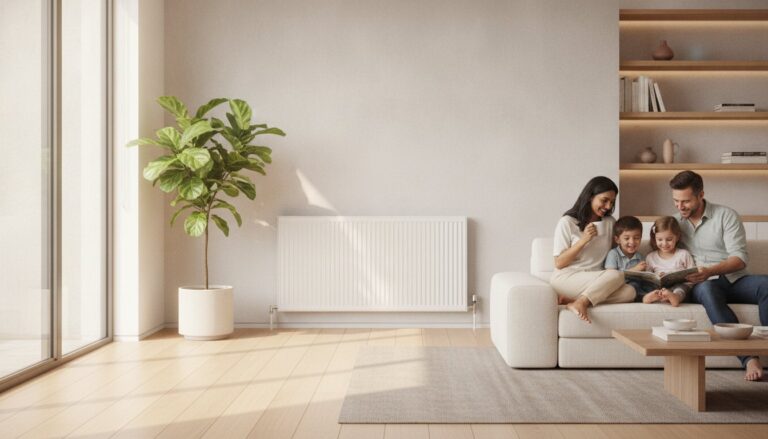
These are the reliable workhorses of the industry. Compact steel panels feature a corrugated front and integrated top grilles that give them a clean, finished look without being intrusive. They are ideal for bedrooms or home offices where you want high heat output but don’t necessarily need a visual centerpiece. Their high surface area allows them to work effectively even at the lower water temperatures typical of modern heat pumps. According to the Australian Government energy guide, choosing the right emitter size is crucial for system efficiency. The ‘Compact’ style represents the perfect balance of cost and performance for most residential applications.
Designer Panels: Making a Statement
If you’re looking to elevate your living room or entryway, designer radiators offer a level of customisation that standard panels can’t match. These units come in sleek, flat-fronted panels for a minimalist aesthetic or even bold tubular and wave shapes. You can choose from a wide palette of powder-coated colours to ensure your heating perfectly matches your interior design. Some low-profile styles are so slim they almost become invisible, blending seamlessly into the wall. These “invisible” radiators are particularly effective in narrow hallways where every centimetre of space is at a premium.
When planning your system, we often recommend a hybrid approach. Use cost-effective standard panels in private spaces like bedrooms to keep the project budget manageable. Save the designer pieces for high-traffic areas where they can truly shine as statement fixtures. This strategy increases your property value by showcasing premium fixtures where they are most visible. If you’re unsure which combination works best for your layout, our team can help you explore the best radiator configurations for your home.
The shift toward electric heat pumps in Victoria has changed how we select hydronic radiator styles melbourne residents find effective. Because heat pumps operate most efficiently at lower temperatures, the size and style of the radiator matter more than ever. Designer panels with larger surface areas can often compensate for these lower temperatures, ensuring your home stays cozy without forcing the heat pump to work harder. This synergy between aesthetic form and technical function is a hallmark of modern hydronic design.
Matching Radiator Styles to Melbourne’s Unique Architecture
Melbourne’s architectural diversity is one of its greatest charms. From the ornate lace-work of Victorian terraces in Carlton to the geometric precision of mid-century gems in Beaumaris, every home has a distinct personality. Choosing the right hydronic radiator styles melbourne residents need requires an eye for historical context. You don’t want a heating unit that feels like an afterthought; it should look like it was always meant to be part of the room’s design. In 2026, the trend is about respecting these era-specific details while upgrading to the silent, allergy-friendly performance that modern systems provide.
Heritage Styles: Restoring the Classic Look
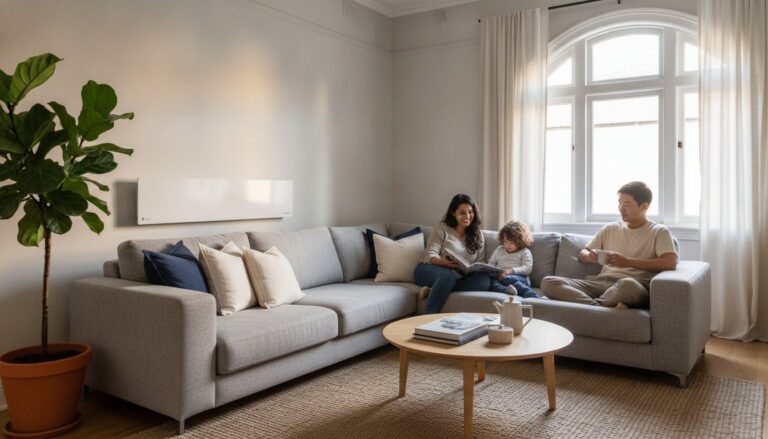
For Victorian and Edwardian homes, traditional column radiators are seeing a massive resurgence. These units echo the original cast iron heaters found in late 19th-century properties across the inner-north. They aren’t just about looks, though. Their heavy construction provides excellent heat retention, which is vital for rooms with high ceilings and large sash windows that often struggle with heat loss. If you’re new to this technology, reading our guide on What is Hydronic Heating? will help you understand how these classic designs now integrate with modern, high-efficiency boilers and heat pumps.
Post-war and Mid-century modern homes require a different approach. These properties benefit from slimline steel panels that respect the “clean lines” era. These radiators provide a functional, unpretentious form that doesn’t distract from the home’s original timber features or large glass expanses. They offer a low profile that sits close to the wall, maintaining the open, airy feel that defines these architectural styles.
Modern Minimalism: Hidden and Sleek Solutions
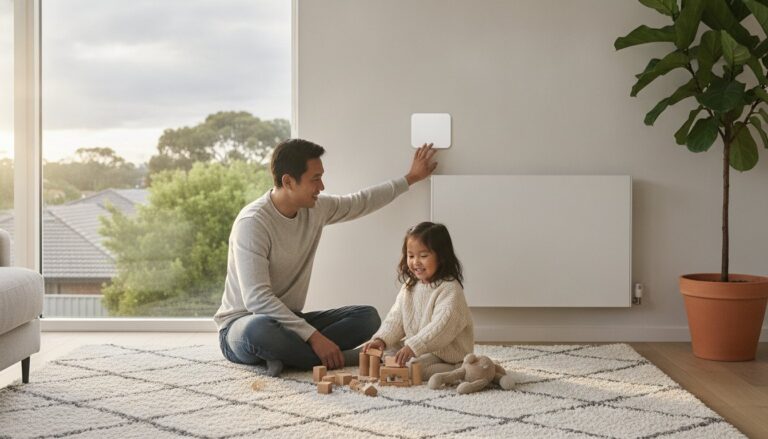
In newer developments across South Yarra or Toorak, the trend leans toward “Flat Plate” radiators. These are incredibly slim and can be powder-coated to match specific Dulux paint codes. This allows the radiator to practically disappear against the wall, a perfect solution for compact urban apartments where wall space is a luxury. By matching the radiator colour to your walls, you create a seamless look that doesn’t break the visual flow of a room. It’s the ultimate choice for those who want the comfort of hydronic heat without any visual clutter.
For homeowners in industrial lofts in Brunswick or Collingwood, we often recommend raw steel finishes and exposed pipework. This “honest” design approach celebrates the engineering behind the system rather than trying to hide it. Bold, vertical designer panels work exceptionally well in these spaces, taking advantage of high ceilings while leaving more floor space for furniture and art. Whether you’re restoring a heritage gem or fitting out a modern masterpiece, the right style ensures your heating system is an asset to your home’s value and aesthetic.
Beyond the Wall: Functional Styles for Every Room
While standard wall-mounted units are the foundation of most systems, the diverse hydronic radiator styles melbourne residents now have access to include specialised solutions for tricky spaces. You don’t have to compromise on your home’s layout just to stay warm. From “invisible” floor-integrated systems to safety-first panels, there’s a functional style for every corner of a modern Victorian home.
For rooms with floor-to-ceiling glass, such as modern sunrooms or open-plan extensions, trench heating is the ultimate aesthetic choice. These systems sit recessed within the floor, covered by a discreet grille. They provide a curtain of warm air that prevents downdraughts from large windows without obstructing your view. Similarly, in nurseries or aged care settings, Low-Surface-Temperature (LST) radiators offer a stylised safety solution. These units feature a cool-to-touch outer casing, ensuring that vulnerable family members are protected from accidental burns while still enjoying the benefits of radiant heat.
The Vertical Space-Saver
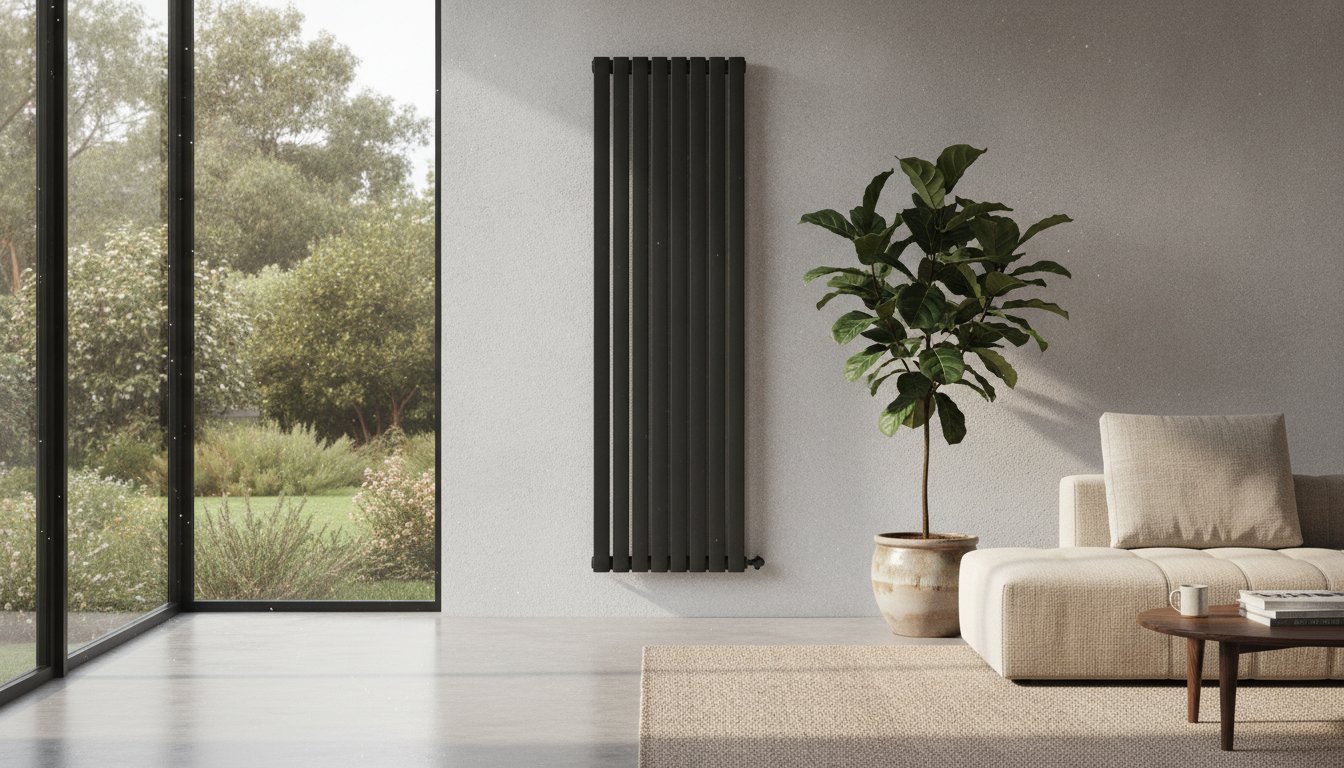
Vertical radiators have become a major trend in Melbourne’s high-density developments. When wall space is at a premium in narrow kitchens or hallways, these units use height as a design element. They draw the eye upward, making a room feel more spacious while delivering the same heat output as a much wider horizontal panel. For the best results, we suggest placing these in underutilised spots, such as the narrow wall between two windows or tucked neatly behind a door. This clever use of vertical real estate keeps your floor plan open and flexible.
Heated Towel Rails and Bathroom Comfort
A hydronic towel rail is more than just a luxury; it’s a functional necessity for Melbourne’s humid winter mornings. Unlike electric versions that can be slow to react, hydronic rails are part of your whole-home system, providing consistent, powerful warmth. You can choose from classic ladder designs or minimalist “monotube” rails that act as a single, sleek heating bar. These rails don’t just warm your towels. They also heat the entire bathroom and reduce moisture build-up, which helps prevent mould growth in damp Victorian climates. To see how these fit into a broader system, check out our Hydronic Heating Panels Melbourne Guide.
Choosing the right functional style requires an understanding of how you use each room daily. Our expert team can help you design a custom layout that balances these specialised units with standard panels. If you’re ready to upgrade your home’s comfort, contact our consultants today for a tailored heating design.
Selecting and Installing Your Radiators in Melbourne
Before falling in love with a specific aesthetic, the technical requirements of your home must take priority. A professional heat load calculation is the essential first step in any project. This process ensures that whichever hydronic radiator styles melbourne homeowners select, they actually provide enough warmth for the room’s specific volume and insulation levels. We consider window sizes, ceiling heights, and even the orientation of your home to ensure your system runs at peak efficiency. Without this data, you risk installing a beautiful unit that leaves the room feeling chilly on a mid-winter morning.
Timing is everything in a renovation. Standard steel panels are typically kept in stock for immediate installation across Victoria. However, if you’ve set your heart on a bespoke European designer piece, you should plan for lead times of approximately 12 to 16 weeks in 2026. Integrating these styles into a Heat Pump Hydronic System requires early planning. Because heat pumps operate at lower flow temperatures compared to old gas boilers, we often specify slightly larger designer panels. This ensures your home reaches the desired temperature without overworking the heat pump, keeping your energy bills low as Victoria transitions away from gas.
The Design Consultation Process
Our team acts as a design consultant, not just an installer. We help you match hydronic radiator styles melbourne to your unique floor plan, ensuring that pipework is discreetly managed whether you choose a vertical or horizontal orientation. Different styles require specific valve placements; a vertical radiator might need bottom-centre connections to stay sleek, while a traditional column unit looks best with classic side-entry valves. A single Power Flushing treatment during installation ensures that even the most intricate designer panels remain free of debris and operate at maximum efficiency from day one.
Maintenance for High-End Styles
High-end radiators are a premium investment that adds genuine value to your property. Keeping them in top condition is a straightforward process. Regular dusting with a soft cloth and occasional bleeding to remove trapped air will keep them silent and warm. Most importantly, scheduling Annual Hydronic Servicing protects your system’s longevity and ensures your warranty remains valid. With over 30 years of local experience in Victoria, we understand the specific challenges of our climate and how to keep these systems running flawlessly for decades.
Book a design consultation with our Melbourne experts today to find the perfect balance of form and function for your home.
Future-Proof Your Home’s Comfort and Aesthetic
Your journey toward a more comfortable, healthy home doesn’t have to end with a compromise on style. You’ve seen how modern engineering allows for a diverse range of hydronic radiator styles melbourne residents can use to enhance their property’s unique character. Whether you’re restoring a heritage Victorian terrace with classic column units or fitting out a sleek South Yarra apartment with minimalist flat plates, the right selection ensures silent, allergy-friendly warmth for years to come.
As a family owned and operated business with over 30 years of Melbourne experience, we pride ourselves on being specialist designer panel installers. We understand the technical precision required to integrate these premium fixtures with the latest energy-efficient heat pump technology. Don’t leave your home’s comfort to chance. Our team is here to guide you through the design consultation process to ensure a flawless finish that boosts both your lifestyle and your property value.
Request a Personalised Radiator Design Quote for Your Melbourne Home and take the first step toward a warmer, more beautiful environment today.
Frequently Asked Questions
Can I paint my hydronic radiators to match my wall colour?
You can certainly paint your radiators, but it’s essential to use specialised heat-resistant paint. Standard household emulsions will crack and discolour over time due to constant thermal expansion and contraction. For a truly professional result that lasts, we recommend selecting your preferred powder-coated finish at the time of order. This ensures the colour remains vibrant and the surface stays durable for decades without peeling.
Which radiator style is best for a home with high ceilings?
Cast iron column radiators are the most effective choice for rooms with high ceilings. Their high thermal mass allows them to hold heat longer and radiate it horizontally across the living space rather than letting it rise immediately. These hydronic radiator styles melbourne heritage homes often feature provide a stable temperature profile that warms people and objects directly, preventing cold spots in large, airy rooms.
Are designer radiators as efficient as standard steel panels?
Designer radiators are just as efficient as standard panels when they’re sized correctly for the specific room. While a unique shape might look different, the underlying engineering focuses on maximising surface area for heat transfer. Our team performs a detailed heat load calculation to ensure your chosen designer unit provides the exact wattage required to keep your space cozy without wasting energy or overworking your boiler.
How much space do I need to leave around a vertical radiator?
You should leave a minimum of 100mm to 150mm of clearance at both the top and bottom of a vertical radiator. This gap is vital for allowing cool air to enter at the base and warm air to circulate out the top effectively. While side clearance is less restricted, ensuring enough space for valve operation and easy dusting will make long-term maintenance and cleaning much simpler for your family.
What is the best radiator style for someone with severe allergies?
Flat-panel steel radiators are the gold standard for allergy sufferers because they lack the deep crevices where dust and pet dander typically accumulate. Their smooth, accessible surfaces make it incredibly easy to maintain a hygienic environment with a simple wipe. Because these hydronic radiator styles melbourne families often choose don’t use fans, they prevent the circulation of airborne allergens that typically trigger asthma.
How long do custom designer radiators take to arrive in Melbourne?
Custom designer radiators typically take between 12 and 16 weeks to arrive in Melbourne if they are being imported from European manufacturers. While we maintain a healthy local stock of standard panels for immediate installation, bespoke finishes or unique architectural shapes require forward planning. Selecting your units early in the renovation process ensures your heating is ready to be commissioned before the winter chill sets in.
Can I mix different radiator styles in the same house?
Mixing styles is a common and practical strategy for most modern renovations. You might choose a bold, vertical designer radiator for your entryway and living room to create a visual impact, while using standard compact panels in the bedrooms. This hybrid approach allows you to invest in premium architectural fixtures where they are most visible while keeping the overall system cost-effective and functional for private spaces.
Do certain styles work better with electric heat pumps than others?
Double-panel radiators or units with larger surface areas work exceptionally well with electric heat pumps. Since heat pumps operate most efficiently at lower water temperatures, a larger radiator surface is needed to transfer the same amount of warmth to the room. Aluminium styles are also a great choice due to their high thermal conductivity, which allows the system to respond quickly to temperature adjustments.