Hydronic Heating for Home Extension Geelong: The 2026 Design Guide
With Victoria’s 7-star energy efficiency rating now mandatory for all 2026 builds, the traditional way we heat our home extensions is officially obsolete. You have likely spent months planning your new space, yet the fear of cold spots or soaring Victorian gas prices can easily dampen the excitement of a renovation. It’s a common concern for Geelong homeowners who want to ensure their new investment feels as good as it looks without the dust and noise of old-fashioned ducted systems.
We understand that retrofitting modern technology into a building project can feel complex. This guide will show you how to seamlessly integrate hydronic heating for home extension Geelong projects to achieve a silent, allergy-friendly environment that lowers your long-term running costs. You’ll discover how to balance thermal loads between old and new rooms, the benefits of underfloor systems versus radiator panels, and why the shift toward electric heat pumps is the most future-proof choice for your local lifestyle. From navigating the 2026 building regulations to choosing the right system for your floor plan, we have the expert insights you need for a comfortable home.
Key Takeaways
- Learn why radiant heat is the most effective way to eliminate “cold room syndrome” and ensure your new extension maintains a consistent temperature.
- Discover the best installation methods for hydronic heating for home extension Geelong projects, whether you’re building on a concrete slab or timber flooring.
- Understand the 2026 transition toward electric heat pumps and how their superior efficiency helps future-proof your home against rising gas costs.
- Master the logistics of system integration, including why independent zoning and dedicated thermostats are essential for managing different thermal loads.
- See how local design expertise ensures your new system connects seamlessly with your existing infrastructure for a quiet, allergy-friendly environment.
Why Hydronic Heating is the Gold Standard for Geelong Home Extensions
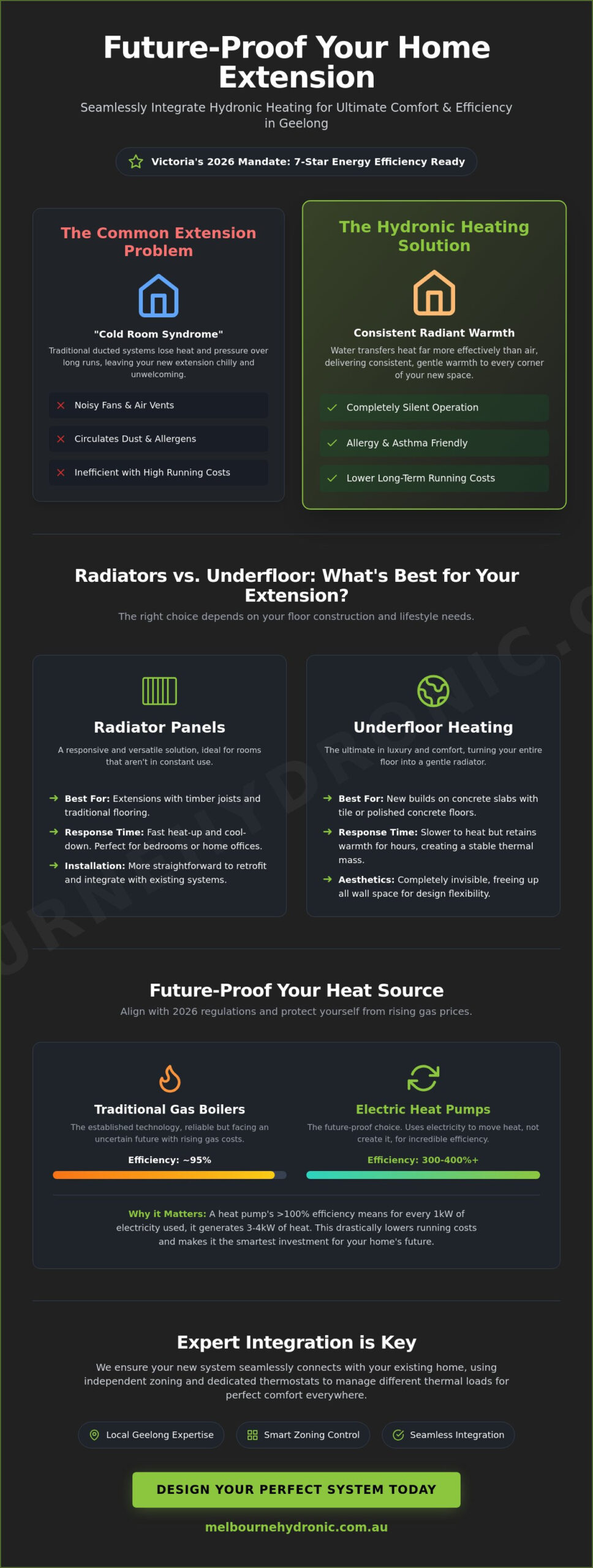
When you’re planning a home extension in Geelong, you aren’t just adding square footage; you’re creating a new environment. Integrating hydronic heating for home extension Geelong projects ensures this new space doesn’t become a “cold zone” during our biting winters. To understand the foundational technology, we can look at the core principles of What is Hydronic Heating? Essentially, it uses water to transfer thermal energy through sealed pipes to radiator panels or underfloor coils. Unlike air-based systems that struggle with long duct runs to new rooms, water retains heat far more efficiently over distance.
Many homeowners find that their new extension feels significantly colder than the original house. This is often “cold room syndrome.” It happens when ducted systems lose pressure and temperature as they travel further from the central unit. In Geelong, where the wind chill from Corio Bay can strip heat from walls in minutes, these forced-air systems simply can’t keep up. Hydronics solve this by delivering consistent, piping-hot water directly to the room, ensuring the temperature at the furthest point of your extension matches the heart of your home.
Combating the Geelong Coastal Chill
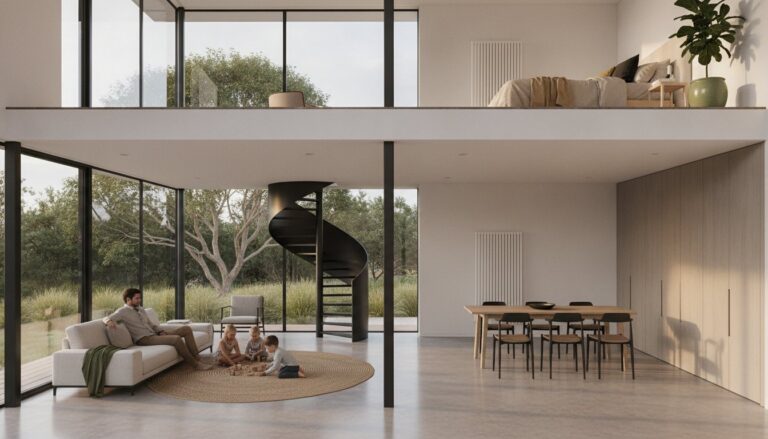
Radiant heat is a game-changer for our local climate. It doesn’t just warm the air; it heats the objects and people in the room. This is vital for modern extensions that often feature large bifold doors or floor-to-ceiling windows. These glass areas are notorious for heat loss, but hydronic systems provide a steady thermal mass that offsets the chill. Additionally, the high-quality radiator panels we install are built to withstand the salt-air corrosion common in coastal suburbs like Beltpost, Drumcondra, and East Geelong. They offer a level of durability that external split system units, with their exposed metal coils, often lack. It’s a robust solution designed for our specific geographic challenges.
The Health and Allergy Advantage
For families, the choice is often about more than just temperature. Standard heating systems circulate dust, pet dander, and allergens through vents. Because hydronics use natural convection and radiation, there’s no forced air movement. It’s a silent, still heat. This is a critical factor for asthma sufferers or anyone sensitive to indoor air quality. Beyond the physical health benefits, there’s a psychological comfort to “gentle” heat. It creates a sanctuary in your new living space, free from the dry eyes and noisy fans associated with traditional heating. It’s a lifestyle choice that prioritizes your family’s long-term wellbeing and comfort.
Radiator Panels vs. Underfloor Heating: What’s Best for Your New Space?
Selecting the right delivery method for hydronic heating for home extension Geelong projects depends almost entirely on your subfloor construction. While both systems provide superior comfort, the way they interact with your extension’s architecture differs significantly. If you’re building a modern open-plan living area on a new concrete slab, underfloor coils are often the preferred choice. However, for extensions using traditional timber joists, radiator panels offer a more straightforward and responsive solution. The decision isn’t just about heat; it’s about how you intend to use the space and how quickly you need it to reach the desired temperature.
Response time is a critical factor in this comparison. Radiator panels heat up and cool down relatively quickly, making them ideal for bedrooms or home offices that aren’t used 24/7. In contrast, underfloor systems have a high thermal mass, meaning they stay warm for much longer but take more time to reach their set point. When planning your energy infrastructure, it’s also worth researching the technical differences between boilers versus heat pumps to ensure your heat source matches your delivery method’s requirements.
In-Slab Hydronic Heating for Concrete Extensions
In-slab heating is the ultimate luxury for polished concrete or tiled floors. By embedding cross-linked polyethylene (PEX) piping directly into the concrete, the entire floor becomes a giant radiator. This creates a “thermal fly-wheel” effect, where the slab absorbs heat and releases it slowly over many hours. To meet the 2026 7-star energy standards, proper edge and under-slab insulation is mandatory. This prevents heat from escaping into the ground, ensuring every watt of energy stays inside your new Geelong extension. It’s a clean, invisible look that perfectly complements minimalist architectural designs.
Hydronic Radiator Panels for Timber Joist Extensions
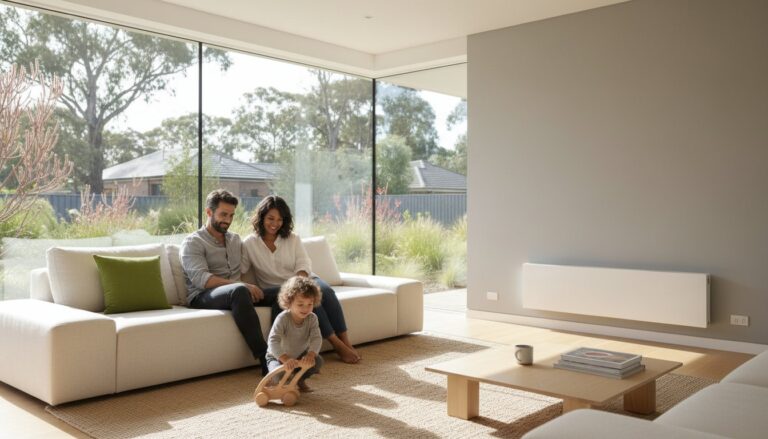
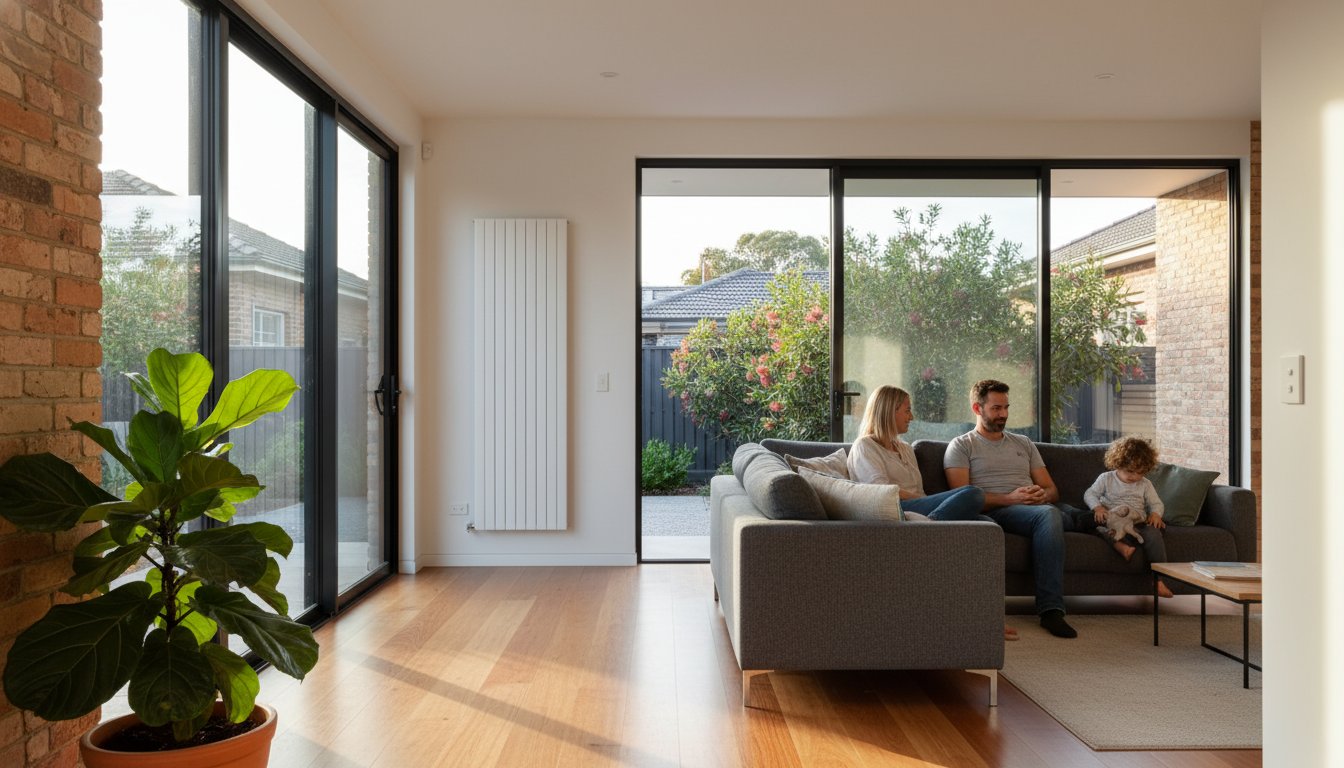
For many Geelong homeowners, hydronic heating panels are the most versatile option for timber-floored additions. They are exceptionally easy to retrofit into an extension without the need for heavy structural screeds. Modern panels are a far cry from the bulky units of the past; today’s designs are sleek, slimline, and can even serve as functional wall art. We recommend placing panels under windows to create a “heat curtain” that neutralizes drafts before they enter the room. If you’re unsure which layout suits your floor plan, our team can help you design a system that balances aesthetics with peak performance.
The labor costs for these systems vary based on the stage of your build. In-slab systems require early coordination with your concreter, while panels are typically installed during the “rough-in” and “fit-out” phases. Regardless of your choice, the result is a whisper-quiet system that adds significant value to your property. You can explore our full range of hydronic solutions to see which style aligns best with your renovation goals.
Future-Proofing Your Extension: Heat Pumps vs. Gas Boilers in 2026
The regulatory landscape in Victoria has shifted significantly as of 2026. With the state’s Gas Substitution Roadmap in full effect, homeowners planning hydronic heating for home extension Geelong projects must decide between traditional gas and modern electric heat pumps. While existing homes can maintain gas connections, the push toward electrification means your choice today will directly impact your property’s resale value and operational costs for the next two decades. Choosing the right energy source is no longer just about current comfort; it’s about aligning your home with a decarbonized future.
Efficiency is the primary metric where these technologies diverge. A modern air-to-water heat pump operates with a Coefficient of Performance (COP) of up to 4.0. This means for every 1 unit of electricity consumed, it delivers 4 units of heat, essentially operating at 400% efficiency. In comparison, even the highest-rated condensing gas boilers peak at around 95% efficiency. For Geelong residents with rooftop solar PV systems, this creates a compelling opportunity to heat a new extension almost entirely for free by running the heat pump during daylight hours to “charge” the thermal mass of the home.
Electric Heat Pumps: The Modern Geelong Choice
The trend toward the “all-electric home” is particularly strong in Geelong’s newer developments and coastal suburbs. We primarily recommend heat pump hydronic heating for extensions because it eliminates the need for new gas plumbing and future-proofs the dwelling against rising fossil fuel prices. Modern Electric Heat Pumps are specifically engineered to maintain high performance during Victorian winters, extracting warmth from the outside air even when temperatures drop toward zero. This technology provides a consistent, low-carbon heat that perfectly complements the 7-star energy standards required for 2026 builds.
When to Consider a Boiler Replacement
If your existing home already relies on a gas system, you must assess whether your current boiler has the capacity to handle the extra square meterage of an extension. Signs that your old unit won’t cope include a noticeable drop in radiator temperature when multiple zones are active or the system running constantly without reaching the set point. According to Sustainability Victoria’s heating guide, upgrading to a high-efficiency condensing model can be a viable path for gas-connected homes that aren’t ready for full electrification. However, if your boiler is more than 10 to 12 years old, replacing it during the extension build is often more cost-effective than waiting for a mid-winter failure.
Ultimately, the decision rests on your long-term goals for the property. An electric-ready extension is increasingly seen as a premium feature in the Geelong real estate market, signaling a home that is modern, sustainable, and cheap to run. Whether you choose to upgrade your gas infrastructure or make the leap to a heat pump, ensuring your heat source is sized correctly for the new load is the most critical step in the design process.
The Logistics of Integration: Connecting the Extension to Your Home
The most frequent question we hear from Geelong homeowners is whether they can install hydronic heating in a new extension if the existing part of the house uses a different system. The answer is a resounding yes. Successfully implementing hydronic heating for home extension Geelong projects requires a strategic approach to integration; it’s about more than just laying pipes. You need to consider how the new hydraulic circuit will interact with your existing energy infrastructure without compromising pressure or heat delivery. This “hybrid” approach is a specialty of ours, ensuring the transition between old and new structures is invisible and efficient.
The process begins with a careful assessment of your current heat source capacity. If your boiler or heat pump is already at its limit, we look at upgrades or dedicated units for the new space. Routing the pipework is the next challenge. Depending on your home’s construction, we may navigate through roof cavities, crawl spaces, or even discreetly along external walls. The “brains” of the extension’s heating, the manifold, is typically tucked away in a laundry cupboard or a dedicated hallway niche, keeping the technical components out of sight while remaining accessible for maintenance.
Hydraulic Balancing and System Capacity
One common mistake in amateur installations is simply “tapping into” existing pipework without calculating the new load. This almost always leads to lukewarm radiators in the extension because water follows the path of least resistance. If your pump isn’t sized for the additional square meterage, the heat won’t reach the furthest rooms. We calculate the total heat load in kilowatts for the expanded footprint, often integrating a secondary circulation pump to maintain consistent flow. This technical precision ensures your new living area stays as warm as the rest of the house, even on the windiest Geelong nights.
Zoning for Comfort and Efficiency
Extensions often feature higher ceilings or larger glass areas than the original home, meaning they have vastly different thermal profiles. It’s essential that your new space shouldn’t run on the same schedule as your bedrooms. By creating a dedicated zone for the extension, you can heat the open-plan living area during the day while keeping the rest of the house at a lower temperature. A professional hydronic heating service melbourne specialist can calibrate these zones to ensure they work in harmony. For the modern homeowner, smart thermostat integration allows you to pre-heat your new extension via your smartphone before you even cross the Barwon River on your commute home. If you’re ready to see how this fits your floor plan, we recommend booking a professional design consultation to discuss the logistics of your specific project.
Why Melbourne Hydronic Heating is Geelong’s Trusted Extension Partner
Choosing the right partner for your project means finding a team that balances technical engineering with a deep understanding of local architecture. With over 30 years of experience in Victorian hydronic design, Melbourne Hydronic Heating has seen every type of home addition, from heritage renovations in Geelong West to modern coastal builds. We specialize in the specific nuances of hydronic heating for home extension Geelong projects, ensuring your new space is as efficient as it is comfortable. Our commitment to future-proof electric solutions aligns with the 2026 standards we’ve discussed; this gives you peace of mind that your investment is built to last. We focus on delivering a system that integrates seamlessly with your lifestyle and your property’s unique layout.
Custom Design for Unique Architecture
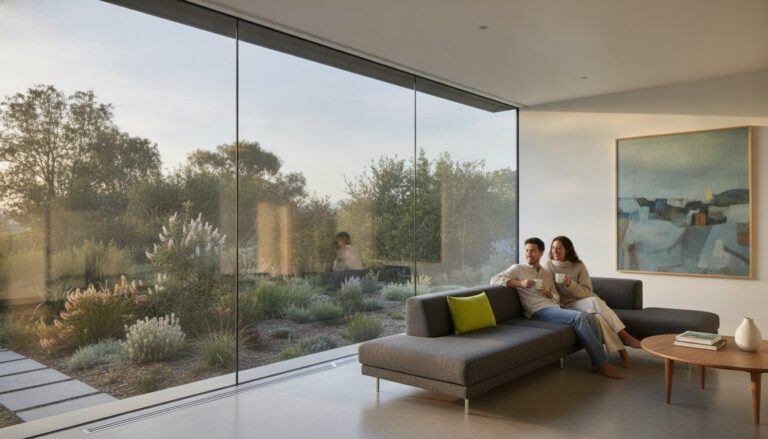
Every extension presents a unique thermal challenge, and we pride ourselves on bespoke solutions that standard installers often overlook. For example, we recently integrated hydronic trench heating into a glass-front extension in a Geelong suburb to combat heat loss without blocking the garden view. We work closely with your architect and builder from the slab-pour stage to ensure seamless integration of all components. This collaborative approach is the foundation of the Melbourne Hydronic Heating guarantee: a silent, reliable system that performs exactly as designed, regardless of the room’s glass area or ceiling height. We understand that hydronic heating is a long-term lifestyle choice, so we prioritize precision in every pipe run.
Long-term Support and Maintenance
Protecting your investment requires more than just a successful installation. We offer comprehensive annual servicing to keep your extended system running at peak efficiency year after year. This is particularly important for hybrid systems where new components are connected to existing infrastructure. Our maintenance programs include power flushing to prevent sludge and corrosion, ensuring the long-term health of your pumps and panels. If you’re ready to start planning your new space, Get a custom quote for your Geelong extension and see how our local expertise makes the difference in your home’s year-round comfort. Our team is dedicated to providing the reliable, expert support you need for a warm and healthy home.
Secure the Ultimate Comfort for Your Geelong Renovation
Designing a home extension is an opportunity to redefine your living standards. By prioritizing hydronic heating for home extension Geelong projects, you’re choosing a system that eliminates drafts and allergens while providing a gentle, radiant warmth that split systems simply can’t match. We’ve explored how modern electric heat pumps offer a future-proof alternative to gas; precise hydraulic balancing ensures your new rooms stay perfectly synchronized with the rest of your home.
With over 30 years of industry experience, our local Geelong and Melbourne service team specializes in integrating these complex systems into unique architectural designs. Whether you’re planning an in-slab installation for a new concrete foundation or sleek radiator panels for a timber-framed addition, our expertise in electric heat pump integration ensures your investment is both efficient and durable. A professionally designed system is the foundation of a healthy, premium lifestyle.
Ready to take the next step in your build? Request a Professional Hydronic Design Consultation for Your Geelong Extension today. Let’s work together to create a space where your family can thrive in every season.
Frequently Asked Questions
Can I add hydronic heating to just my extension and not the rest of the house?
Yes, you can install a standalone system for a new addition even if the main house uses different heating. This is a common choice for hydronic heating for home extension Geelong projects where homeowners want premium comfort in their new living space. We can install a dedicated heat pump or connect the new zone to a central manifold with independent controls.
How much does it cost to install hydronic heating in a Geelong extension?
The total investment varies based on the floor area, the choice between radiator panels or underfloor coils, and the type of heat source selected. Factors like slab insulation and the complexity of pipework routing also influence the final project scope. We recommend a site-specific assessment to determine the most efficient configuration for your architectural plans.
Is underfloor heating better than radiators for a new room?
The best choice depends on your extension’s flooring and how you use the room. Underfloor heating provides consistent warmth in concrete slabs and is perfect for open-plan areas. Radiator panels are often better for timber floors because they respond faster to temperature changes, making them ideal for rooms used sporadically like guest bedrooms or home offices.
Will my existing boiler be powerful enough to heat the new extension?
Your existing boiler’s capacity must be calculated against the total heat load of the expanded home. We perform a technical assessment of the unit’s kilowatt rating to see if it can handle the additional square meterage. If the unit is undersized or nearing the end of its lifespan, we may suggest a boiler replacement or a transition to an electric heat pump.
How long does the installation take during a home renovation?
The process is divided into stages that match your building timeline. The rough-in of pipes usually takes two to four days before the slab is poured or the walls are plastered. The final fit-out of radiators or the heat pump happens toward the end of the build, typically taking another two days for testing and commissioning.
Are there Victorian government rebates for switching to heat pump hydronics in 2026?
Yes, the Solar Homes Program provides rebates for eligible households transitioning to energy-efficient heat pumps. As of May 2026, you can access a rebate of up to $1,000 for heat pump installations, which increases to $1,400 if you choose an eligible Australian-made system. Eligibility depends on property value and household income, so it’s vital to check current criteria.
Does hydronic heating require a lot of maintenance?
Maintenance is minimal but essential for long-term efficiency. We recommend an annual service to check system pressure, pump operation, and water quality. Periodic power flushing helps remove any internal buildup, ensuring your hydronic heating for home extension Geelong remains quiet and cost-effective for decades.
Can I install hydronic heating myself in my extension?
No, hydronic systems must be installed by licensed professionals to ensure safety and maintain your warranty. The complexity of hydraulic balancing and the requirement for electrical and gas connections mean professional installation is mandatory under Victorian building regulations. This also ensures your system meets the 7-star energy standards required in 2026.