Sustainable Home Heating Options in Victoria: The 2026 Electrification Guide
What if your next gas bill was actually your last? With Victoria’s mandatory transition to all-electric new builds starting January 1, 2027, the era of fossil-fuel heating is rapidly closing. Many local homeowners are already feeling the pinch of rising gas prices, especially since space heating accounts for roughly 75% of residential gas use. Finding the best sustainable home heating options Victoria offers isn’t just a trend. It’s a vital step for anyone looking to future-proof their property and protect their family’s health from the dust and dry air associated with traditional systems.
We understand that you want a warm home without the noise or the astronomical running costs. You’re likely looking for a solution that provides silent, consistent warmth while improving indoor air quality for family members with asthma or allergies. This 2026 guide explores how you can leverage current Victorian Energy Upgrades and rebates to transition to premium electric heat pumps or hydronic radiator panels. You’ll learn how to navigate the upcoming gas phase-out regulations, maximize available government incentives, and choose a system that transforms your living space into a high-performance, healthy sanctuary.
Key Takeaways
- Understand the 2027 Victorian gas phase-out regulations and why transitioning to electric systems is now essential for long-term property value.
- Discover the technical efficiency of air-to-water electric heat pumps and how they deliver up to five times the heat energy for every kilowatt of electricity consumed.
- Compare the best sustainable home heating options Victoria offers, specifically focusing on the superior comfort and health benefits of radiant hydronic heating over traditional forced-air systems.
- Learn how to significantly reduce your upfront investment by stacking Victorian Energy Upgrades (VEU) discounts with Solar Victoria rebates and federal incentives.
- Identify why professional system design and local expertise are the most critical factors in ensuring your new heating solution provides silent, allergen-free warmth for decades.
Why Sustainable Home Heating is No Longer Optional for Victorians
Victoria’s energy landscape is undergoing its most significant transformation in decades. The days of cheap, abundant residential gas are over, and by 2026, the transition to all-electric living has moved from a niche preference to a financial necessity. Choosing among the sustainable home heating options Victoria offers is no longer just about reducing your carbon footprint. It’s about protecting your home’s long-term market value and ensuring your family isn’t tethered to an increasingly expensive and phased-out fuel source.
Traditional gas ducted systems are rapidly becoming what economists call “stranded assets.” These units often circulate allergens and dust through aging floor vents while consuming a fuel that accounts for approximately 75% of total residential gas use in Victorian households. As our state’s electricity grid becomes greener through large-scale wind and solar projects, high-efficiency electric systems offer a path to zero-emissions heating. Investing in electric technology today means your home’s heating becomes cleaner every year the grid evolves, whereas a gas heater remains locked into its original emissions profile for its entire lifespan.
The End of the Gas Era in Victoria
The Victorian Government’s Gas Substitution Roadmap has provided a clear signal to the market. From January 1, 2027, new homes will be required to be all-electric, with no new gas connections permitted. This regulatory shift impacts existing homeowners too. If you’re considering a gas boiler replacement in 2026, you’re essentially buying into a technology that the state is actively moving away from. Government rebates have already pivoted, with significant incentives now focused exclusively on heat pump technology and efficient electric upgrades. Choosing gas today could leave you with a system that is difficult to service and expensive to run as the gas network shrinks.
Passive vs. Active Sustainable Heating
A truly efficient home begins with its building envelope. Professional draught-proofing and high-quality insulation are the foundation of any sustainable strategy. However, even a modern 7-star rated home in Melbourne’s damp, volatile climate requires an active heat source to maintain comfort during a mid-winter cold snap. This is where Renewable heat technologies like air-to-water heat pumps excel. These systems work in harmony with your home’s thermal mass, such as concrete slabs or water-filled radiator panels, to provide steady, radiant warmth. Unlike the dry, noisy air from traditional heaters, these solutions focus on wellness and consistent temperatures, ensuring your home remains a healthy sanctuary regardless of the weather outside.
Electric Heat Pumps: The Gold Standard for 2026 Efficiency
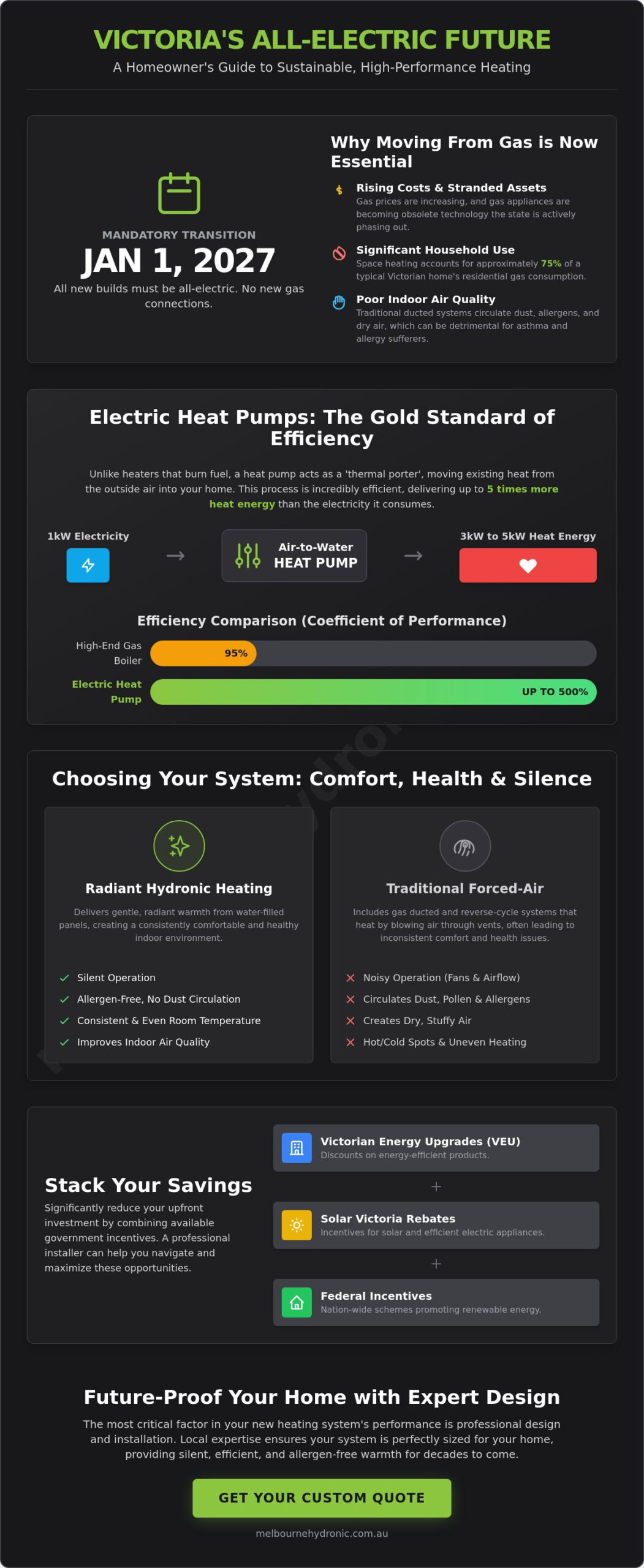
Electric heat pumps represent the pinnacle of sustainable home heating options Victoria can access today. Unlike traditional heaters that generate warmth through combustion or resistive elements, a heat pump acts as a thermal porter. It extracts low-grade heat from the external air, even on a frosty Melbourne morning, and concentrates it for use inside your home. This process is remarkably efficient. While a high-end gas boiler might achieve 90% to 95% efficiency, an electric heat pump operates at a Coefficient of Performance (COP) of 3.0 to 5.0. This means for every 1kW of electricity consumed, the system delivers between 3kW and 5kW of heat energy into your living space.
Modern systems are specifically engineered to handle the unique Victorian climate. Whether you’re facing a damp morning in Geelong or a sub-zero night in the Dandenongs, high-performance air-to-water heat pumps maintain their efficiency without the performance drops seen in older technology. When paired with solar PV, these systems become even more compelling. By timing your heating cycles to coincide with peak solar production, you can effectively heat your home for free during daylight hours. This synergy is a cornerstone of the CHOICE buying guide for modern energy-conscious Australians, highlighting why electrification is the most logical path forward.
Air-to-Water vs. Air-to-Air Systems
Most Victorians are familiar with standard split systems, which are air-to-air units. While functional, they often create dry air and noisy drafts. Air-to-water heat pumps are the preferred choice for premium sustainable home heating options Victoria because they use water as a medium to transport energy. Water is far more effective at carrying heat than air is. A centralized unit sits outside, keeping the mechanical noise away from your bedrooms, while silent, warm water flows through your home. These systems generally boast a longer operational lifespan and require less intrusive maintenance than having multiple split system heads scattered throughout various rooms.
Hydronic Heat Pumps and Radiant Comfort
The true luxury of heat pump technology is realized when it’s used to power radiant systems. These units efficiently heat water to the precise temperatures required for hydronic radiator panels, providing a soft, consistent warmth that doesn’t circulate dust or allergens. If you’re building or renovating, the synergy between low-temperature heat pumps and underfloor heating is unmatched. It creates a thermal mass that holds heat for hours, ensuring your home stays comfortable long after the sun goes down. If you’re ready to explore a quieter, healthier way to stay warm, speaking with a local specialist can help you design a system tailored to your property’s specific layout.
Comparing Sustainable Options: Hydronic vs. Reverse Cycle Splits
Choosing between the sustainable home heating options Victoria offers often comes down to a choice between two delivery methods: convection and radiation. While reverse cycle split systems are common, they rely on convection, which means they blow heated air into a room. This often creates a “layering” effect where the ceiling is warm but your feet remain cold. Radiation is different. Radiant systems, like those powered by an air-to-water heat pump, warm the objects and people in a room directly. It’s the difference between standing in a gust of warm wind and feeling the gentle heat of the sun on a winter morning. For many Victorian families, this physical sensation of comfort is just as important as the monthly energy bill.
Zoning is another critical factor where these systems diverge. A whole-home hydronic network allows for sophisticated control, enabling you to maintain different temperatures in bedrooms, living areas, and bathrooms. This precision ensures you aren’t wasting energy heating empty rooms, which maximizes your total savings. While retrofitting split systems might seem simpler initially, installing a centralized hydronic system provides a seamless, integrated solution that increases your property’s long-term value. It removes the need for bulky wall units in every room, preserving your interior design and providing a much quieter environment.
Health, Allergies, and Air Quality
For Melbourne families managing asthma or hay fever, the “Asthma Factor” is often the deciding point. Forced air systems can struggle to maintain a healthy indoor profile because they naturally circulate dust mites, pollen, and other allergens through vents and filters. Because hydronic heating doesn’t use fans or ducts, it eliminates this air movement entirely. You’ll also notice that your home maintains natural humidity levels. You won’t have to deal with the dry eyes, scratchy throats, or static electricity that often accompany traditional air-based heating during a long Victorian winter.
Operational Costs and Long-Term ROI
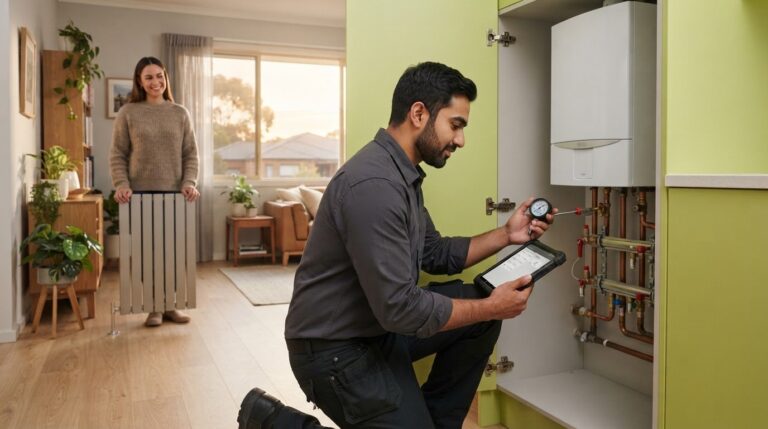
When evaluating sustainable home heating options Victoria homeowners should look beyond the initial purchase price to the total cost of ownership. A premium heat pump system generally offers a superior lifespan of 15 to 20 years, whereas many individual split systems may require replacement much sooner. Radiant heat also benefits from “steady-state” operation. Once your home’s thermal mass is warm, the system only needs small, efficient pulses of energy to maintain that temperature. To ensure your system continues to operate at peak efficiency, regular Hydronic servicing is essential. This proactive care, combined with current Victorian Government electrification incentives, ensures your investment pays for itself through lower bills and reduced maintenance over the coming decades.
Navigating Victorian Rebates, Incentives, and ROI in 2026
The financial case for adopting sustainable home heating options Victoria has never been more compelling. As of May 2026, the Victorian Government has streamlined various incentive programs to accelerate the move away from residential gas. By stacking state-level discounts with federal certificates, homeowners can now offset a significant portion of the upfront costs associated with premium electric systems. These incentives are designed to reward efficiency, meaning the more advanced your chosen technology, the higher the potential rebate.
The Victorian Energy Upgrades (VEU) program remains the cornerstone of this transition. Households replacing an old, non-ducted gas space heater with an efficient reverse cycle system can receive a discount of up to $1,610. For those decommissioning a whole-home ducted gas heater, the discount increases significantly to $5,530. To qualify for these amounts, your new system must be on the VEU approved product list and come with a minimum five-year warranty. These discounts are applied directly by accredited providers, reducing the invoice amount before you even pay.
Accessing the VEU Program
To secure these incentives, you must work with an Accredited Provider who can verify the installation meets strict state standards. A critical part of the process involves the formal decommissioning of your old gas unit. This ensures the carbon savings are permanent and verifiable. Because the Victorian Government prioritizes safety and performance, professional installation by licensed specialists is a non-negotiable prerequisite for all rebate claims. Attempting to bypass these protocols will result in a forfeiture of all available subsidies.
The ROI of Electrification
Calculating your return on investment involves looking at both immediate savings and long-term price trends. While gas prices continue to face upward pressure, the Victorian Default Offer for electricity is expected to decrease by an average of 3% starting July 1, 2026. This translates to an average annual bill reduction of $43 to $48 for residential customers on standing offers. However, the biggest windfall comes from disconnecting from the gas network entirely. By removing the gas daily supply charge, which can cost several hundred dollars a year just for the connection, you instantly improve your home’s cash flow.
Consider a typical four-bedroom Melbourne home transitioning to a modern heat pump system. By combining the VEU discount of $5,530 with a Solar Victoria hot water rebate of up to $1,000, the payback period for the upgrade is shortened by several years. When you factor in the improved property value of a future-proofed, all-electric home, the investment becomes a clear choice for the savvy homeowner. If you’re ready to see how these numbers apply to your specific property, booking a professional design consultation is the best way to get an accurate ROI forecast.
Future-Proofing Your Home with Melbourne Hydronic Heating
While understanding the technical benefits of electrification is essential, the success of your transition depends entirely on the precision of the system design. In 2026, the most effective sustainable home heating options Victoria provides are those tailored to the specific thermal characteristics of your property. Melbourne Hydronic Heating brings over 30 years of local expertise to every project, ensuring that your investment delivers the premium comfort and efficiency you expect. We don’t believe in one-size-fits-all solutions. Our team understands that a double-fronted Victorian cottage in Hawthorn has vastly different heating requirements than a glass-heavy modern build in Brighton. This architectural awareness is what separates a standard heater from a high-performance climate solution.
Precision engineering is the backbone of a sustainable home. When a system is designed specifically for your floor plan and local microclimate, it operates at peak efficiency, reducing wear on components and keeping running costs at an absolute minimum. This level of customization ensures that every room reaches its set temperature quickly and maintains it silently. By choosing a partner with deep roots in the Victorian industry, you’re gaining access to a wealth of knowledge regarding local building codes, weather patterns, and the latest international heat pump technologies. It’s about more than just staying warm. It’s about creating a legacy of comfort and health in your home.
The Design and Supply Process
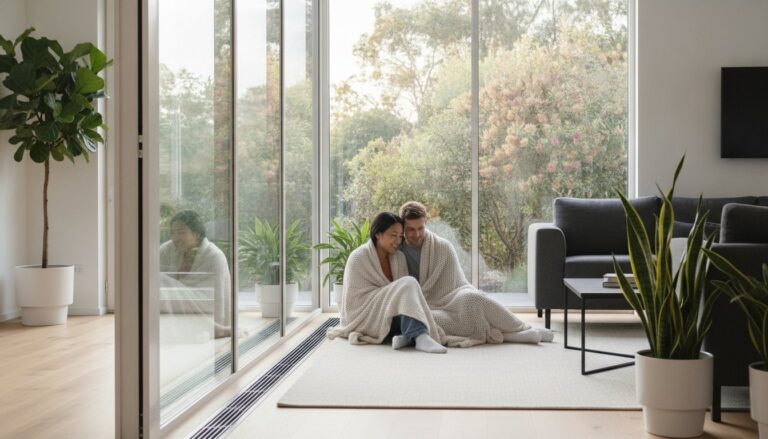
Our design process begins with a detailed heat loss calculation based on your specific Victorian postcode. We analyze your home’s orientation, window glazing types, and current insulation levels to determine the exact kilowatt capacity required for each space. This technical accuracy prevents the common mistake of over-sizing equipment, which leads to inefficient cycling and higher bills. We then help you select the ideal emitters for your lifestyle. You might prefer the classic aesthetic of hydronic radiator panels, the invisible luxury of underfloor heating, or the discreet performance of trench heating. Integrating these with smart thermostats allows for automated energy management, giving you total control over your home’s sustainable home heating options Victoria through a single, intuitive interface.
Our Commitment to Victorian Homeowners
Choosing a local specialist means you have dedicated support and maintenance for the entire life of your system. We’re committed to helping Melbourne families navigate the shift away from gas with confidence and technical certainty. Every installation we perform meets the highest Australian energy standards, ensuring your home remains a safe, hygienic, and premium environment. We take pride in being more than just installers; we are consultants who prioritize your long-term well-being. If you’re ready to invest in a system that delivers silent, allergen-free warmth while increasing your property’s value, the next step is a professional design evaluation. You can book a consultation for your sustainable heating project today to begin your home’s transformation.
Secure Your Home’s Comfort for the Next Generation
Transitioning to an all-electric home is one of the most impactful decisions you can make for your property in 2026. By choosing the best sustainable home heating options Victoria provides, you’re not just lowering your energy bills; you’re investing in a cleaner, healthier indoor environment for your family. The combination of high-efficiency heat pumps and the silent, radiant warmth of hydronic panels ensures your home remains a sanctuary even as gas prices fluctuate and new regulations take effect.
At Melbourne Hydronic Heating, we’ve spent over 30 years helping residents across Melbourne and Geelong achieve perfect climate control. As family-owned local experts, we specialize in seamless gas-to-electric transitions that maximize current government rebates while future-proofing your asset. Our team combines global quality standards with a deep understanding of local architectural needs. Don’t leave your comfort to chance during this energy transition. Get a professional quote for your sustainable heating upgrade today and take the first step toward a more efficient, gas-free future.
Frequently Asked Questions
Are electric heat pumps really cheaper to run than gas in Victoria?
Electric heat pumps are significantly more cost-effective because they deliver three to five times more heat energy than the electricity they consume. Since approximately 75% of residential gas consumption in Victoria is used for space heating, switching to a high-efficiency heat pump drastically reduces your exposure to rising gas tariffs. With the Victorian Default Offer for electricity expected to decrease in July 2026, the financial advantage of electrification continues to grow.
Can I install a heat pump if I already have gas hydronic radiators?
You can absolutely replace an existing gas boiler with an electric air-to-water heat pump while keeping your current radiator panels. This transition is a core specialty for modern installers and is a key part of the move away from residential gas connections. It allows you to leverage your existing infrastructure while moving to a carbon-neutral energy source that provides the same premium radiant warmth.
Do heat pumps work effectively when it’s below zero in Melbourne?
Modern heat pumps are engineered to operate efficiently even when temperatures drop below zero. While performance varies based on the specific unit, premium systems used in Victoria extract ambient heat from the air in sub-zero conditions to maintain consistent indoor warmth. They are far more reliable than older technology and are specifically designed to handle the damp, cold mornings common in Melbourne and Geelong.
What is the most sustainable heating option for a 100-year-old Victorian home?
The most effective sustainable home heating options Victoria offers for heritage properties are hydronic radiator panels powered by an electric heat pump. These systems provide the high-intensity radiant heat required for older homes with high ceilings and solid masonry walls. Unlike forced air, radiant heat warms the structure of the building itself, preventing the energy waste associated with heating air that quickly escapes through drafts.
How much can I save with the Victorian Energy Upgrades (VEU) program in 2026?
In 2026, households can receive a discount of up to $5,530 when replacing a ducted gas heater with an efficient reverse cycle system. If you’re replacing a non-ducted gas space heater, you may be eligible for a discount of up to $1,610. These incentives are designed to lower the initial investment for high-efficiency electric upgrades and can lead to estimated annual bill savings of up to $1,140 for ducted replacements.
Is hydronic heating better for my children’s asthma than ducted heating?
Hydronic heating is superior for respiratory health because it uses radiant heat rather than blowing air. Traditional ducted systems often circulate dust, pollen, and allergens throughout the home, which can trigger respiratory issues. By removing fans and ducts, you create a cleaner environment that doesn’t move particles around your living spaces. It also maintains natural humidity levels, preventing the dry eyes and scratchy throats caused by forced air.
How long does it take to install a full sustainable heating system?
A typical whole-home installation usually takes between three and five days depending on the complexity of the project and the size of the property. Retrofitting a heat pump to an existing radiator network is often a faster process. Installing a brand-new underfloor or radiator system requires careful precision and pressure testing to ensure the system operates at peak efficiency for the next 20 years.
Do I need solar panels for a heat pump to be considered sustainable?
You don’t need solar panels for a heat pump to be a sustainable choice, as the Victorian grid is increasingly powered by renewable energy projects. However, pairing your system with solar PV allows you to heat your home using your own generated electricity during the day. This significantly improves your long-term return on investment and can lead to nearly zero-cost heating during peak daylight hours.