
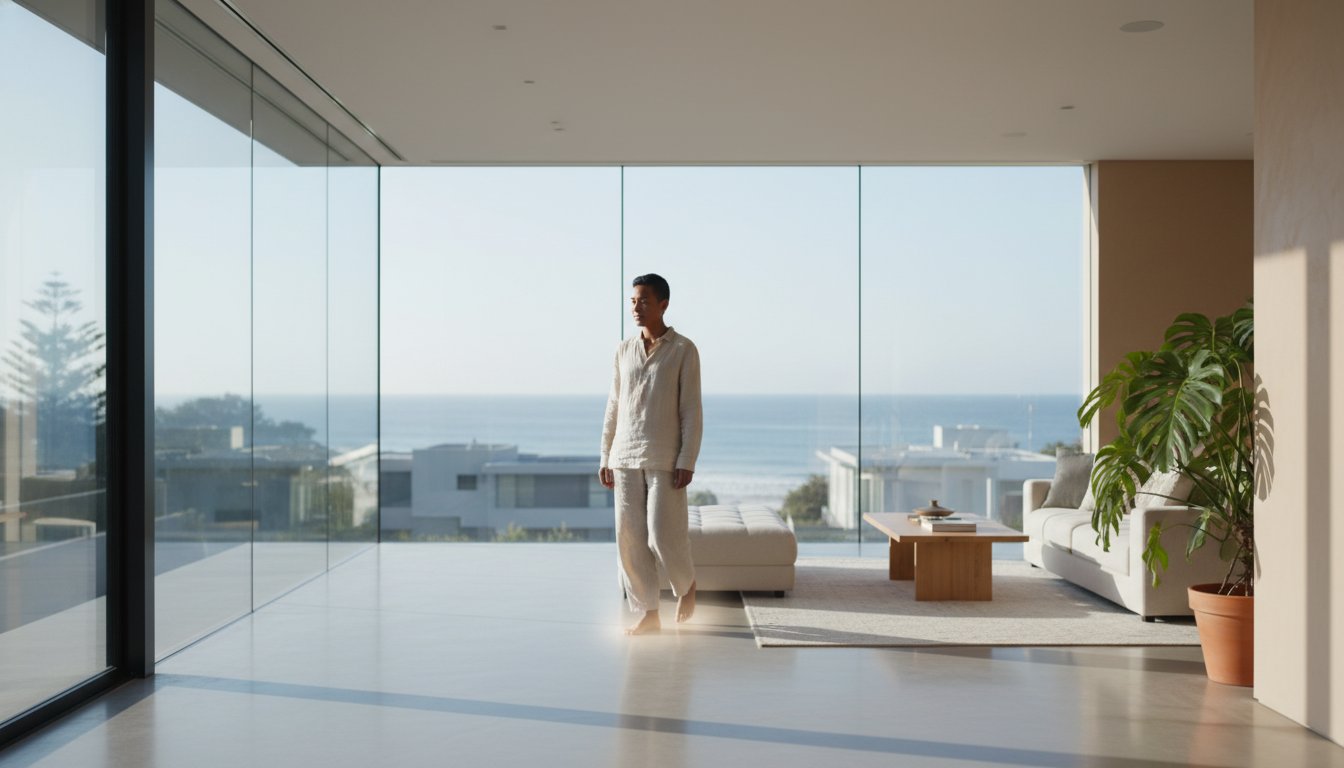
Expert Underfloor Heating Installation in Brighton: The 2026 Premium Comfort Guide
Imagine waking up to a home that feels naturally warm, even when a biting Bass Strait breeze is rattling the windows. For many Brighton residents, the reality of Melbourne’s erratic coastal weather often means relying on noisy, dusty ducted systems that spike energy bills and aggravate allergies. You’ve likely felt the frustration of a home that never seems quite warm enough despite the high cost of running an old gas boiler. Professional underfloor heating installation Brighton homeowners choose today is about more than just warmth; it’s a strategic investment in a healthier, more sophisticated lifestyle.
In this 2026 premium guide, you’ll discover how to transform your living space with energy-efficient hydronic systems designed for the modern era. We’ll show you how invisible, silent heating can lower your running costs while preserving the architectural beauty of your home. From the latest heat pump technology to tailored water-based solutions, this overview provides everything you need to know about achieving consistent, allergy-friendly comfort in our unique coastal climate.
Key Takeaways
- Learn why hydronic radiant heat is the superior, allergy-friendly alternative to traditional ducted systems in Brighton’s humid coastal climate.
- Discover how to select the ideal installation method—whether in-slab, screed, or joist—to complement your home’s unique architectural style.
- Understand the efficiency benefits of transitioning from gas boilers to modern electric heat pumps for significantly lower running costs.
- Explore the technical precision required for a successful underfloor heating installation Brighton project, including custom heat load calculations and piping layout.
- Identify the value of partnering with a local, family-owned expert who understands the specific engineering challenges of Bayside Melbourne properties.
Why Underfloor Heating is the Gold Standard for Brighton Homes
Hydronic underfloor heating is a sophisticated system that utilizes a network of water-filled PEX pipes to transform your entire floor surface into a consistent, radiant heat source. Unlike traditional methods that rely on blowing hot air, this technology provides a gentle warmth that mimics the sun. Underfloor heating systems are increasingly favored in premium residential projects because they offer a level of thermal stability that forced-air systems simply cannot match. For a professional underfloor heating installation Brighton homeowners look for solutions that integrate seamlessly with their lifestyle while providing superior climate control.
Brighton’s coastal location brings unique challenges, particularly damp air and high humidity. Standard ducted systems often struggle here, creating a stuffy environment by circulating allergens and salt-heavy air. Radiant heat doesn’t move air; it warms objects and people directly. This makes it ideal for maintaining a crisp, fresh atmosphere inside. Additionally, the invisible nature of the system is a major draw for modern Bayside architecture. By removing the need for bulky wall units or floor vents, you regain total aesthetic freedom to showcase clean lines and expansive glazing.
Combating Bayside’s Erratic Climate
Melbourne is famous for its four seasons in one day, and Brighton is right in the line of fire for those sudden coastal temperature drops. The thermal mass of a heated floor acts like a battery, storing energy and releasing it slowly to maintain a steady temperature regardless of what’s happening outside. In beachfront builds, we focus heavily on high-grade insulation beneath the pipes to prevent heat loss into the ground. This is especially vital for homes with high ceilings, where traditional heating often leaves the living zone cold while the ceiling stays warm. Radiant heat keeps the warmth exactly where you feel it most.
The Health & Hygiene Advantage
Health is a non-negotiable priority for local families. Because hydronic systems don’t use fans, they don’t stir up dust mites, pollen, or pet dander. This lack of air movement is a game-changer for residents suffering from asthma or seasonal hay fever. Hydronic heating is the only truly dust-free solution for 2026 homes, providing a sterile and safe environment for all ages. Beyond the air quality, the silent operation ensures your home remains a sanctuary. In quiet Bayside streets, the last thing you want is a loud compressor or rattling vents interrupting your evening. When we perform an underfloor heating installation Brighton residents often remark that the silence is just as valuable as the warmth.
Choosing the Right System: Slab, Screed, or Joist Installation
Brighton’s architectural landscape is a unique blend of heritage charm and cutting-edge coastal design. Whether you own a Victorian estate on the Golden Mile or a contemporary beachfront masterpiece, selecting the correct delivery method is the most critical step in your project. A successful underfloor heating installation Brighton project depends on matching the mechanical system to the building’s structural DNA. We don’t believe in a one-size-fits-all approach; instead, we engineer the system to work with your specific floor type.
For new builds featuring concrete foundations, in-slab heating remains the premier choice. We secure the PEX piping directly to the reinforcement mesh before the concrete pour. This turns the entire slab into a massive thermal battery. It’s particularly effective for Brighton’s modern, glass-heavy homes that need to combat coastal temperature swings. The high thermal mass ensures that even if the Bayside wind picks up, your internal temperature remains rock-solid.
If you’re updating a luxury apartment or a renovation where slab heights are already fixed, screed systems offer the perfect compromise. These thin-profile topping layers sit above the existing floor, providing rapid response times without requiring major structural changes. For those restoring historic properties, timber joist installations allow us to place heating plates between the structural beams. This preserves original heritage floorboards while bringing 2026 comfort levels to 19th-century architecture.
New Builds vs. Renovations
The technical requirements for a structural slab differ significantly from a thin-profile renovation. While in-slab systems provide incredible longevity and heat retention, they require early-stage planning during the design phase. In contrast, topping screeds are designed for agility. We often integrate these into existing timber structures using specialized diffusion plates. This ensures your home stays warm without raising the floor level so much that it interferes with doors or cabinetry. You can find a detailed breakdown of these technologies in our guide on underfloor heating in Melbourne.
Floor Finish Compatibility
Brighton interiors often feature high-end materials like engineered oak or Italian marble. Radiant heating systems are compatible with almost any finish, but they require precise calibration. Coastal humidity can cause natural timber to expand or contract. To prevent damage, we utilize advanced floor sensors that monitor the surface temperature directly. This ensures the heat never exceeds the manufacturer’s threshold for your specific oak or marble selection. If you’re planning a high-end finish, our team at Melbourne Hydronic Heating can provide the technical specifications your flooring installer needs to ensure a perfect result.

Maximising Efficiency with Heat Pumps in Brighton’s Climate
Brighton homeowners are leading the shift toward sustainable, high-performance living by moving away from traditional gas boilers. The transition to electricity is driven by a desire for both environmental responsibility and long-term energy security. Heat pump systems have become the gold standard for any modern underfloor heating installation Brighton project because they don’t create heat through combustion; they move existing thermal energy from the outside air into your home’s hydronic circuit. This process is incredibly efficient, even when the coastal air feels damp and chilly.
Efficiency is the primary reason for this technology’s dominance in Bayside Melbourne. Air-to-water heat pumps are specifically engineered to thrive in our temperate maritime climate. They extract ambient warmth from the atmosphere to heat the water circulating beneath your floors with remarkable precision. Many Brighton properties already utilise solar PV arrays, and the synergy between solar power and hydronic heat pumps is a game-changer. By running your system during the day, you can turn your concrete slab into a massive thermal battery, effectively heating your home for near-zero costs while the sun is out.
Zoning is another critical factor in slashing energy consumption. Rather than heating the entire house, you can precisely control which rooms receive warmth. This means you aren’t wasting energy on guest wings or formal areas that aren’t in use. When combined with the steady, radiant output of a hydronic system, this level of control ensures a superior level of comfort that forced-air systems can’t replicate.
The Move to All-Electric Bayside Living
Sustainability has become a significant driver of property value in Melbourne’s premium suburbs. Future-proofing your home with electric heat pumps ensures your residence remains at the cutting edge of building standards. Victorian government incentives continue to support residents switching from gas to high-efficiency electric alternatives, making it an opportune time for an upgrade. Modern heat pumps in 2026 deliver an impressive Coefficient of Performance (COP) of 4.0 or higher, meaning they provide four units of heat for every single unit of electricity they consume.
Smart Controls and Integration
Luxury living in Brighton is increasingly defined by seamless technology. Today’s hydronic systems integrate fully with wider home automation platforms, allowing for effortless management of your indoor climate. You can use Wi-Fi enabled thermostats to pre-warm your living zone while you’re still commuting back from the city or finishing a meal on Bay Street. Weather compensation sensors play a vital role here too. These sensors monitor external conditions and adjust the system’s output in real-time, ensuring that a sudden Bayside cold front doesn’t disrupt the perfect equilibrium of your home.
The Installation Journey: What to Expect During Your Brighton Project
A successful underfloor heating installation Brighton project is built on a foundation of rigorous engineering and transparent communication. We recognize that a premium Bayside home requires more than just a standard setup; it needs a system meticulously designed to match its specific structural footprint. The journey begins long before the first pipe is laid, starting with a comprehensive technical assessment of your property’s thermal requirements. This methodical approach ensures that the final result provides the silent, invisible comfort that Brighton residents expect from a high-end hydronic system.
Phase 1: Design and Preparation
Precision is the hallmark of our design phase. We collaborate closely with your architect or builder to integrate the manifold, which is the central control hub, into a discreet location that doesn’t disrupt your interior aesthetics. Our engineers perform detailed heat load calculations that account for your home’s orientation and the large glass surfaces typical of Brighton’s coastal architecture. Waterfront properties often face high wind loads and significant heat loss through expansive glazing. We adjust the pipe density in these perimeter zones to compensate, ensuring the floor near the windows is just as warm as the center of the room. This level of planning ensures we calculate the exact pipe spacing needed to provide uniform warmth across expansive open-plan living areas. We exclusively source high-quality components that meet Australian standards to guarantee your system’s long-term reliability.
Phase 2: Laying and Testing
Once the design is finalized, our technicians begin the physical layout. Depending on your floor type, we use specialized fixing methods such as staples, rails, or attachment to the reinforcement mesh. Every meter of PEX piping is positioned with mathematical accuracy to eliminate cold spots. Before any concrete is poured or screed is applied, we implement a strict 24-hour pressure test protocol. We ‘over-test’ the system at pressures far exceeding normal operating levels to ensure a 100% leak-free environment under the slab. This phase requires tight coordination with other trades, particularly on ‘pour day’, to protect the integrity of the heating circuit while the structural work continues.
The final step is commissioning, where we fine-tune the flow rates for each individual zone. This balancing act ensures that your master suite, living area, and bathrooms all reach their target temperatures simultaneously without wasting energy. We don’t just turn the system on; we calibrate it to the specific thermal dynamics of your home. If you’re ready to begin your journey toward a more comfortable and efficient home, you can contact the experts at Melbourne Hydronic Heating to discuss the specific requirements of your Bayside project.
Why Melbourne Hydronic Heating is Brighton’s Trusted Installation Partner
Choosing a partner for underfloor heating installation Brighton is a decision that impacts your home’s comfort for decades. Melbourne Hydronic Heating brings over 30 years of experience to every Bayside project. As a family-owned and operated business, we provide the personalized, attentive service that Brighton residents expect. We don’t just install systems; we build lasting relationships based on technical precision and honest advice. This heritage allows us to offer a level of accountability and care that larger, impersonal firms simply cannot match.
Local Expertise You Can Trust
Brighton has its own unique building standards and Bayside City Council requirements that must be navigated with care. Our portfolio includes successful projects throughout Brighton, Brighton East, and Elwood, ranging from heritage restorations on the Golden Mile to modern beachfront builds. We understand how coastal salt air affects external units and how local soil conditions impact slab insulation requirements. This localized knowledge ensures your project meets all relevant building codes and performance expectations. It is vital to choose a dedicated hydronic heating installer rather than a general plumber. While a standard plumber might understand pipes, they often lack the specialized engineering knowledge required to balance a complex hydronic circuit for peak efficiency.
Long-term System Performance
We ensure your investment stays protected through a commitment to system longevity. This includes advanced techniques like power flushing and the application of protective inhibitor treatments to prevent internal corrosion. Our dedicated maintenance team is always available for annual hydronic servicing, ensuring your heat pump or boiler operates at maximum efficiency year after year. Melbourne Hydronic Heating stays at the forefront of 2026 technology, specializing in solar-ready heat pump integrations that align with Melbourne’s shift toward sustainable living. This pro-active approach to maintenance means you won’t have to worry about unexpected breakdowns during a Bayside cold snap. By choosing a partner who offers end-to-end support, you secure a warm, healthy home for decades to come.
Ready to upgrade your comfort? Contact Melbourne Hydronic Heating for a Brighton consultation today.
Secure the Future of Your Bayside Home’s Comfort
Transitioning to a hydronic system represents a meaningful investment in your family’s well-being and your property’s long-term value. You’ve discovered how radiant warmth eliminates the allergens common in ducted systems and how modern heat pumps leverage Melbourne’s sun to slash running costs. Whether you’re restoring a heritage gem or building a contemporary masterpiece, the engineering behind your system determines your daily comfort. A professional underfloor heating installation Brighton homeowners choose today ensures that every room remains a sanctuary, regardless of the coastal weather outside.
As a proudly family-owned and operated business with 30+ years of industry experience, we bring a consultant’s mindset to every Bayside project. Our specialist heat pump installers are dedicated to providing the technical precision and personalized service your home deserves. It’s time to experience the premium lifestyle that only silent, invisible warmth can provide. Book a Professional Consultation for Your Brighton Home and let us help you create a warmer, healthier future for your household.
Frequently Asked Questions
How much does underfloor heating installation cost in Brighton?
The total investment for your project depends on several variables, including the property size, the chosen heat source, and whether the system is a new build slab or a renovation retrofit. New construction typically allows for a more streamlined process, while retrofitting existing homes involves specialized low-profile components. We recommend a detailed technical assessment to determine the specific engineering requirements for your Bayside residence.
Can I install hydronic underfloor heating in an existing Brighton renovation?
Yes, you can definitely integrate hydronic systems into a renovation project. For Brighton’s historic properties, we often utilize thin-profile screed systems or aluminum diffusion plates installed between floor joists. These advanced methods allow us to provide premium radiant warmth without significantly altering the existing floor heights or compromising the structural integrity of your heritage home.
How long does the installation process take for a standard Brighton home?
A typical installation is completed in distinct phases to align with your building schedule. The physical laying of the PEX piping usually takes between two to four days for a standard residential floor plan. However, the entire timeline includes the initial design period, pressure testing protocols, and the final commissioning of the heat pump or boiler once your floor finishes are fully cured.
Is underfloor heating compatible with polished concrete or timber floors?
Radiant heat works exceptionally well with both polished concrete and high-quality timber. Concrete acts as an excellent thermal mass, holding and releasing heat steadily over long periods. When using engineered timber or oak, we install specialized floor sensors to monitor surface temperatures directly. This precision ensures the heat stays within the manufacturer’s warranty limits to prevent any warping or damage to your floor coverings.
What is the most energy-efficient heat source for floor heating in 2026?
Electric heat pumps are currently the most efficient choice for an underfloor heating installation Brighton project. These systems extract ambient thermal energy from the outside air rather than burning fuel to create heat. Because they can deliver four units of heat for every unit of electricity consumed, they offer significantly lower running costs, especially when integrated with a home solar PV system.
Does underfloor heating require regular maintenance?
Yes, annual system servicing is essential to maintain peak performance and protect your warranty. Professional maintenance involves checking the manifold balancing, inspecting the heat pump or boiler, and testing the water quality within the hydronic circuit. Periodic power flushing may also be required to remove any internal debris and ensure the water flows freely through every zone of your home.
Can underfloor heating also cool my home in the Melbourne summer?
Hydronic floor pipes are designed specifically for radiant warmth and aren’t used for cooling due to condensation risks. However, we can integrate fan coils into your hydronic system to provide high-efficiency cooling. These units utilize the same electric heat pump technology to deliver chilled air during the peak of the Melbourne summer, providing a year-round climate solution for your property.
How does hydronic heating benefit people with allergies or asthma?
Hydronic systems are the healthiest choice for indoor environments because they don’t rely on fans or forced air. Traditional ducted heating often circulates dust mites, pollen, and pet dander throughout the house. By using radiant heat, the air remains still and the humidity levels stay balanced. This creates a dust-free sanctuary that significantly improves respiratory health for families living in the humid Bayside climate.