Best Hydronic Panel Radiators in Australia: The 2026 Buyer’s Guide
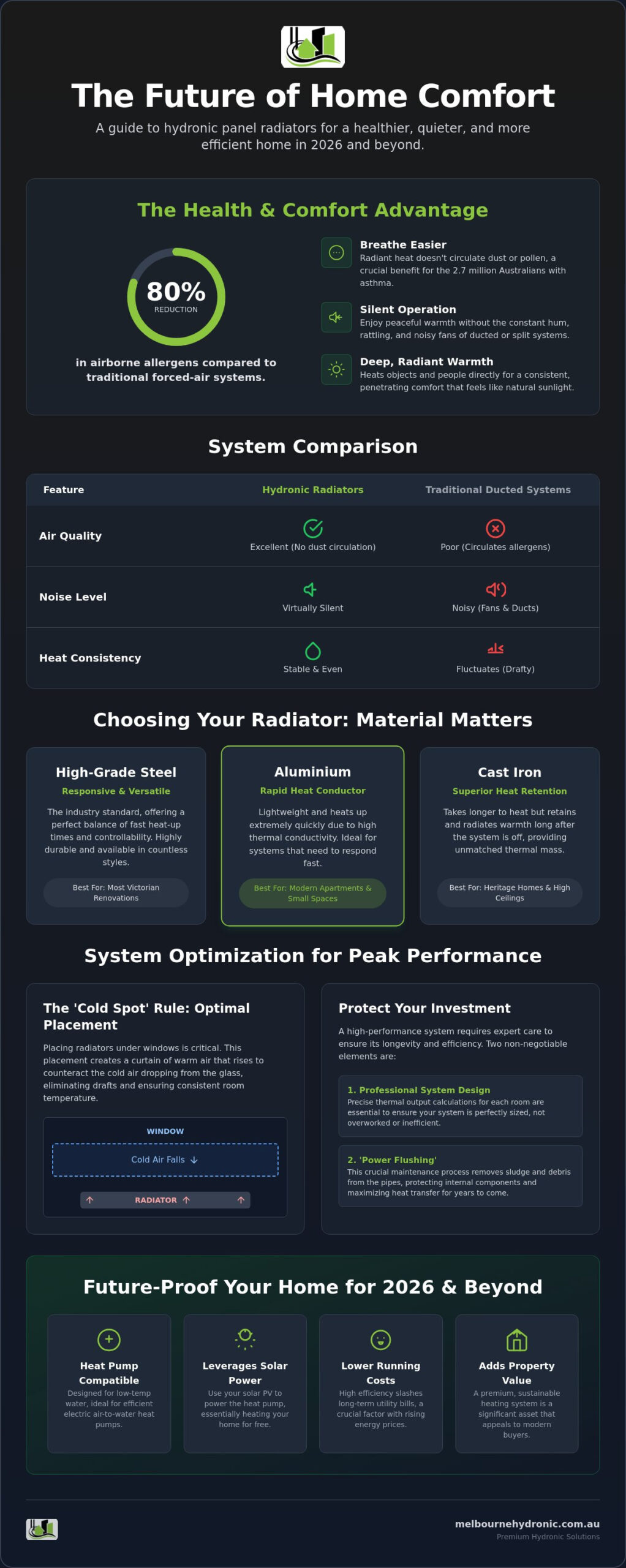
Did you know that switching to radiant heat can reduce airborne allergens in your home by up to 80%? For the 2.7 million Australians living with asthma, your choice of heating is about more than just warmth; it’s about breathing easier every day. If you’re tired of the rattling noise and dust circulation of traditional ducted systems, finding the best hydronic panel radiators Australia has to offer is the first step toward a healthier, silent home. We understand that with energy costs rising in 2026, you’re looking for a solution that balances premium comfort with genuine long-term efficiency.
You shouldn’t have to choose between a warm house and a manageable utility bill. We’ve designed this guide to help you discover the most durable and stylish hydronic panels that thrive in our unique Victorian climate. You’ll learn how modern low-temperature systems integrate with electric heat pumps and how to navigate the latest Solar Homes Program rebates to ensure your upgrade is as cost-effective as it is comfortable. From technical specifications to interior design trends, we’ll show you exactly how to transform your living space into a high-performance haven.
Key Takeaways
- Learn why high-grade steel remains the industry standard for responsiveness and how to calculate the precise thermal output required for your specific room dimensions.
- Discover how to identify the best hydronic panel radiators Australia has to offer by balancing contemporary aesthetic appeal with the high efficiency needed for low-temperature heat pump systems.
- Master the ‘Cold Spot’ rule to optimize radiator placement under windows, ensuring you eliminate drafts and maintain consistent temperatures throughout your home.
- Understand the critical role of professional system design and ‘Power Flushing’ in protecting your investment and extending the operational lifespan of your radiator panels.
- Explore the shift toward low-emission heating in 2026 and how modern hydronic systems provide a future-proof solution for energy-conscious Victorian households.
Why Hydronic Panel Radiators are Australia’s Top Choice in 2026
As we move through 2026, the Australian heating landscape is changing. Homeowners are moving away from traditional gas ducted systems in favor of more sustainable, high-performance options. Hydronic heating has emerged as the gold standard for those seeking a premium, reliable solution. At its core, this technology uses water to transport thermal energy through a sealed network of pipes to sleek wall-mounted units. Understanding how hydronic heating works is essential for anyone looking to invest in a system that offers both longevity and performance. Unlike air-based heaters that rely on noisy fans, these panels provide a gentle, consistent warmth that doesn’t fluctuate. Finding the best hydronic panel radiators Australia offers involves more than just picking a brand; it’s about choosing a system designed for our specific Victorian winters.
The Health and Comfort Advantage
Traditional heating systems often circulate dust, pollen, and other allergens throughout your living space. This is a significant concern for the 2.7 million Australians currently living with asthma. Because hydronic panels use radiant heat, they don’t move air at all. Research indicates this can reduce airborne allergens by up to 80% compared to forced-air systems. The sensation is often compared to standing in the path of direct sunlight on a crisp morning. It’s a deep, penetrating warmth that heats objects and people rather than just the air. Convective heating works by warming the air, which then rises to the ceiling, leaving your feet cold and your head stuffy. Radiant panels work differently by emitting energy that is absorbed by the surfaces of the room. This creates a thermal mass that keeps the temperature stable even if a door is briefly opened. For Melbourne residents, the silent operation is a revelation, especially in bedrooms where the constant hum of a split system can disrupt sleep.
Energy Efficiency in the 2026 Market
With energy prices continuing to rise, efficiency isn’t just a buzzword; it’s a financial necessity. Modern hydronic heating systems are now frequently paired with electric air-to-water heat pumps. This combination is incredibly effective in 2026, as it allows homeowners to leverage solar power to heat their homes. By using the best hydronic panel radiators Australia has available, you can operate your system at lower water temperatures while still maintaining peak comfort. This reduces the load on your heat source and slashes long-term running costs. Beyond the immediate savings, a professionally designed hydronic system is a significant asset that adds measurable value to your property. It represents a shift toward a more conscious, high-quality way of living that prioritizes both environmental responsibility and personal wellbeing.
Criteria for Selecting the ‘Best’ Radiator Panels
Selecting the right hardware is a precision task that balances engineering with aesthetics. When evaluating various Australian home heating options, hydronic systems stand out for their flexibility, but the overall efficiency depends heavily on the panels you choose. The best hydronic panel radiators Australia homeowners can invest in are those that match the specific thermal load of each room while remaining compatible with modern, low-emission heat sources. It’s not just about the look; it’s about how the material and configuration interact with your water temperature.
Material Matters: Steel, Aluminium, or Cast Iron?
Steel remains the dominant choice for Victorian renovations because it offers a perfect middle ground between cost and thermal responsiveness. These panels heat up quickly and cool down at a predictable rate, making them highly controllable via thermostats. Aluminium is an alternative prized for its high thermal conductivity and lightweight profile, which allows for rapid heating in smaller spaces or modern apartments. For those restoring heritage homes in Geelong or inner Melbourne, cast iron provides unmatched thermal mass. While they take longer to warm up, they continue to radiate heat long after the system has cycled off, providing a stable temperature profile for high-ceilinged rooms.
Compatibility with Modern Heat Sources
The significant shift toward heat pump hydronic heating in 2026 has fundamentally changed how we size radiator panels. Traditional gas boilers typically operate at high temperatures, often between 70 and 80 degrees Celsius. In contrast, modern electric heat pumps are most efficient when running at lower temperatures, usually between 45 and 55 degrees. To compensate for this lower water temperature, you must select panels with a larger surface area to deliver the same amount of warmth to the room. This often involves choosing ‘Type 21’ or ‘Type 22’ configurations, which utilize double panels and convector fins to maximize heat exchange without taking up excessive wall space.
Durability is the final piece of the puzzle. We recommend looking for panels manufactured to rigorous European standards, which often carry superior corrosion resistance and longer warranties. Precision engineering ensures that the internal waterways remain clear, preventing the cold spots that plague lower-quality alternatives. If you’re unsure which configuration fits your floor plan, our team can provide a custom heat loss calculation to ensure your system is perfectly balanced. Getting the sizing right from the start ensures your heat pump operates at its peak performance, keeping your long-term energy costs as low as possible.
Top 3 Radiator Styles for Australian Homes
Every Australian home has a unique architectural personality. A glass-fronted townhouse in Southbank requires a different thermal approach than a sprawling historic villa in Geelong. Selecting the best hydronic panel radiators Australia has available means balancing your interior design preferences with technical requirements. We’ve identified three primary styles that dominate the 2026 market for their reliability, aesthetic appeal, and compatibility with modern heat sources.
Standard Steel Panels (The Reliable Workhorse)
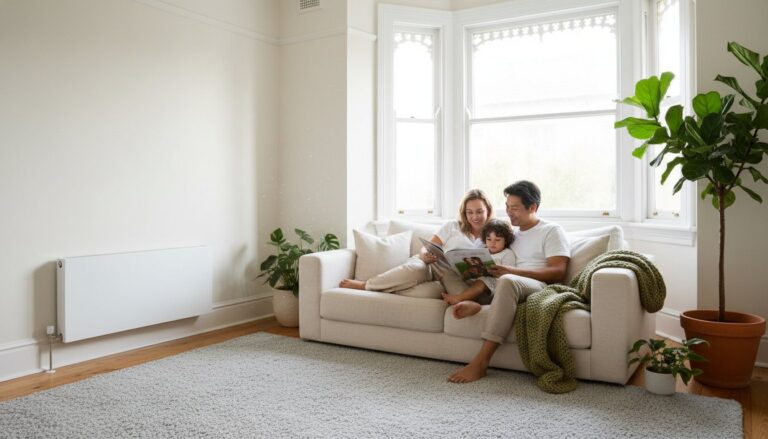
Compact steel units are the most popular choice for Melbourne retrofits. Their popularity stems from their incredible efficiency and slim profile. These hydronic heating panels are engineered to maximize surface area within a small footprint. In 2026, we’re seeing a clear shift away from traditional glossy white finishes toward sophisticated matte textures and integrated top grilles. These design touches allow the radiator to blend seamlessly into contemporary interiors. Maintenance is straightforward; the simple construction makes them easy to clean. Keeping them free of dust is vital for maintaining the high air quality that hydronic systems are known for.
Vertical and Decorative Panels (The Space Savers)
Floor space is a premium in inner-city Melbourne apartments and narrow terrace houses. When you don’t have the horizontal wall space for a traditional unit, vertical panels provide the perfect solution. They utilize the full height of the room to deliver the necessary thermal output without compromising furniture placement. Many homeowners now treat these as functional pieces of art. Minimalist designs with flat front faces can become a subtle focal point in a room. It’s important to plan the pipework carefully for vertical installations. Our designers ensure the plumbing is discreet, maintaining the clean lines that make these decorative panels so attractive for modern living.
Cast Iron and Column Styles (The Heritage Choice)
For the historic homesteads of Geelong and the Edwardian houses of Melbourne’s inner suburbs, preserving character is paramount. Cast iron radiators are the traditional choice for these settings. They possess a high thermal mass, which means they take longer to heat up but continue to emit a gentle warmth long after the system has shut off. This makes them ideal for homes with high ceilings that need a steady heat source. If you want the best hydronic panel radiators Australia offers for a renovation but prefer a lighter material, modern column radiators are an excellent compromise. They offer a classic tubular look with a faster response time, providing high heat output while respecting the home’s original aesthetic.
Sizing and Placement: How to Optimize Your System
Precision in sizing is what separates a mediocre heating system from an exceptional one. Even the best hydronic panel radiators Australia has available won’t perform if they’re undersized for the room’s volume or tucked into a thermal dead zone. We often see homeowners make the mistake of choosing a radiator based solely on the length of a wall rather than the actual energy required to offset heat loss. A room with floor-to-ceiling glass in Melbourne’s bayside suburbs has vastly different requirements than a well-insulated, carpeted bedroom in the Dandenongs. Calculating heat loss involves analyzing ceiling height, insulation ratings, and the total area of external glazing to determine the exact wattage needed for every space.
The Science of Placement
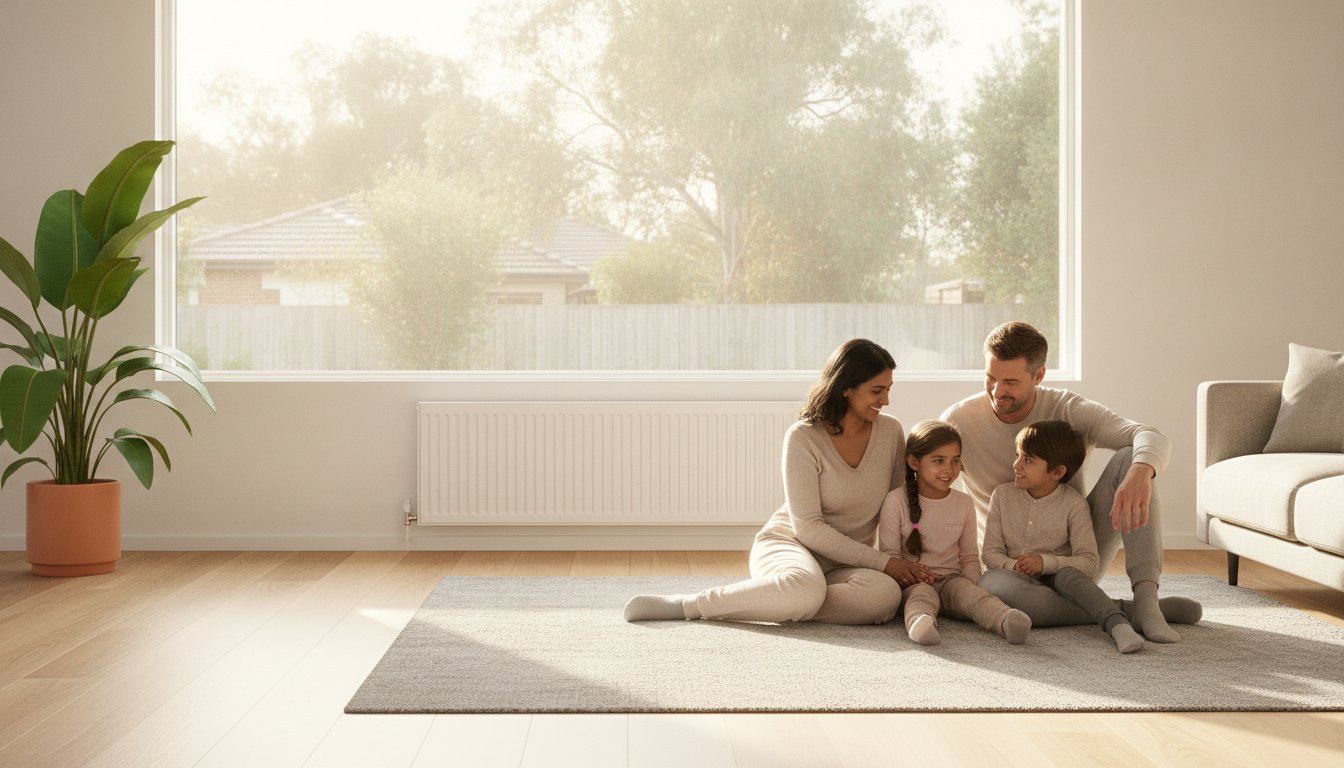
The ‘Cold Spot’ rule is a fundamental principle of professional hydronic design. By placing the panel directly under a window, you counteract the coldest air in the room. As cold air drops from the glass surface, it’s immediately warmed by the radiator, creating a natural convection current that distributes heat evenly. If you place a radiator on an internal wall opposite a large window, you’ll likely feel a cold draft across the floor as the air moves toward the heat source. Airflow around the panel is also critical. You should avoid placing large furniture directly in front of the radiator, as this blocks the radiant energy and forces the system to work harder. For a clean look, we plan the pipework to emerge directly from the wall rather than the floor, creating a floating effect that makes cleaning easier and the installation almost invisible.
Smart Control and Zoning
Modern efficiency in 2026 is driven by Thermostatic Radiator Valves (TRVs). These mechanical or smart valves allow you to set a specific temperature for every room. If you have a guest bedroom or a laundry that isn’t used daily, you can dial down the heat in those zones without affecting the comfort of your main living areas. This precise control reduces the overall load on your boiler or heat pump, ensuring it only fires when absolutely necessary. Integrating these panels with a central smart home thermostat allows you to pre-heat zones based on your daily routine, slashing energy waste. To ensure your home is perfectly balanced and every room stays cozy, book a professional heat loss consultation with our experienced design team today.
Getting the sizing right prevents the common “short-cycling” issue where a system turns on and off too frequently. This wears out components and increases your utility bills. A correctly sized system runs in long, efficient cycles, maintaining a steady ambient temperature that feels natural and unobtrusive. Our 30 years of local experience helps us identify these subtle requirements before the first pipe is even laid.
Professional Installation: The Melbourne Hydronic Way
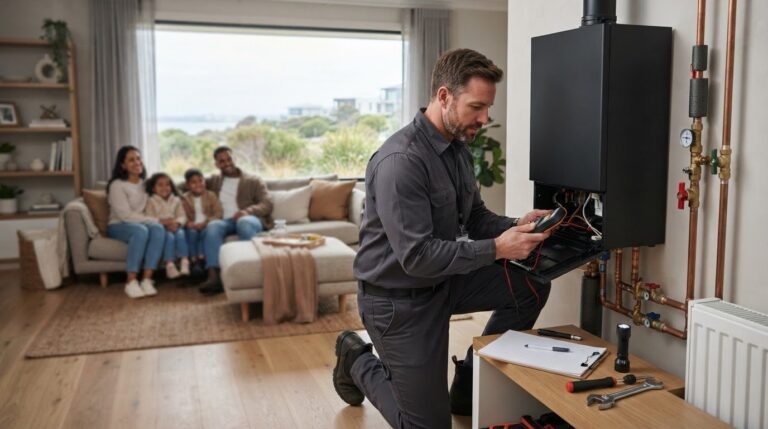
Even the best hydronic panel radiators Australia provides are only as effective as the engineering behind the walls. A premium radiator is a high-performance heat exchanger, but without a correctly balanced system, it can’t reach its full potential. With over 30 years of industry experience, our team understands that a hydronic system is a long-term investment in your home’s infrastructure. Professional installation ensures that every pipe run, valve, and connection is optimized for silent, leak-free operation. When you partner with a local expert, you aren’t just buying hardware; you’re securing decades of reliable, healthy warmth for your family.
Design and Consultation
Our process begins with a detailed thermal analysis of your living space. We don’t rely on guesswork or generic “room counts.” Instead, we perform custom heat loss calculations that account for Melbourne’s specific climatic challenges. This stage is where we balance technical efficiency with your interior design goals. We help you decide between an electric heat pump or a high-efficiency gas boiler, ensuring your chosen heat source is perfectly matched to the wattage of your panels. This holistic approach prevents the common issues of over-cycling or uneven heating, ensuring your home remains a sanctuary of comfort even on the coldest Geelong nights.
During a professional installation, you can expect a methodical and respectful approach to your home. We prioritize clean aesthetics, planning pipework routes that remain discreet or entirely hidden. Once the physical components are in place, the system is commissioned with precision. This involves balancing the flow of water to every radiator in the house, ensuring the panel furthest from the heat source performs just as well as the one closest to it.
Maintenance for 20+ Year Longevity
Water quality is the single most important factor in extending the life of your radiator panels. Over time, internal corrosion can create a “sludge” that settles at the bottom of your radiators, leading to cold spots and reduced efficiency. This is why a professional hydronic heating service Melbourne homeowners trust is essential every 2-3 years. During these visits, we check the concentration of corrosion inhibitors and perform power flushing if necessary to clear the system.
- Corrosion Inhibitors: These chemical protectors prevent the internal steel from reacting with oxygen in the water.
- System Balancing: Adjusting the flow rates ensures even heat distribution across all zones.
- Visual Inspections: Checking valves and seals for minor weepage before they become major leaks.
If you notice that the bottom of your panel feels cold while the top is hot, it’s a clear sign that debris is restricting flow. By maintaining a regular service schedule, you protect the high-grade components of your system and ensure your energy bills remain low. As a family-owned local business, we take pride in being your long-term comfort partner, providing the expert design and maintenance needed to keep your hydronic system running perfectly for 20 years or more.
Invest in a Future of Sustainable Home Comfort
Choosing the best hydronic panel radiators Australia has available is a decision that pays dividends in both respiratory health and long-term property value. We’ve seen how modern radiator technology integrates with low-emission heat pumps to provide a silent, dust-free environment that is ideal for sensitive households. Whether you’re restoring a heritage villa in Geelong or designing a minimalist apartment in Southbank, the key to success lies in precision sizing and professional system design. By balancing thermal output with aesthetic appeal, you can transform your living space into a high-performance haven that stands the test of time.
Melbourne Hydronic Heating brings over 30 years of local experience to every project. We specialize in bespoke designs for both modern new builds and complex heritage renovations, providing a comprehensive service that covers everything from initial supply to long-term maintenance. If you’re ready to upgrade your living standards and lower your energy costs, we’re here to help you navigate the process with expert technical advice. Request a Professional Hydronic Heating Design Quote for Your Melbourne Home and start your journey toward a warmer, healthier future today.
Frequently Asked Questions
What is the best brand of hydronic radiator panels in Australia?
The best hydronic panel radiators Australia offers are typically those manufactured to rigorous European standards, such as DeLonghi, Stelrad, or Henrad. These brands are highly regarded for their high-grade steel construction and multi-stage painting processes that resist corrosion. Choosing a reputable brand ensures the internal waterways are engineered for maximum heat exchange and long-term reliability in the Victorian climate.
Are steel panel radiators better than aluminium?
Steel panels are the industry standard for their durability and excellent heat retention, while aluminium is prized for its rapid thermal response. Steel is generally more cost-effective and robust, making it the preferred choice for most Melbourne residential retrofits. Aluminium heats up and cools down much faster, which is useful in smaller apartments but lacks the “steady” radiant feel of steel.
How much do hydronic radiator panels cost to install in Melbourne?
Installation costs vary based on the number of panels and the complexity of the pipework required. Industry data suggests a typical three-bedroom home with 7 to 8 radiators can range between $10,000 and $15,000 for a complete system installation. This investment includes the heat source, all radiator units, and specialized labor. Every home is unique, so a professional onsite consultation is necessary for an accurate project estimate.
Can I use hydronic radiators with a heat pump?
Yes, hydronic radiators are perfectly compatible with modern electric heat pumps. It’s important to remember that heat pumps operate at lower water temperatures than traditional gas boilers. To compensate for this, we specify radiators with a larger surface area, such as Type 22 double panels. This ensures you get the same level of comfort while maximizing the energy efficiency of your heat pump.
Do hydronic radiator panels require a lot of maintenance?
Hydronic systems are remarkably low-maintenance, but they aren’t “set and forget” forever. You should have your system professionally serviced every 2 to 3 years to check the concentration of corrosion inhibitors. This prevents internal sludge buildup and ensures the pump and valves are functioning correctly. Regular servicing is the best way to protect your investment and maintain low running costs.
Why are my hydronic radiators cold at the top?
If a radiator is cold at the top but hot at the bottom, it usually means air is trapped inside the panel. This air pocket prevents hot water from filling the entire unit, which reduces its heating capacity. You can usually fix this by “bleeding” the radiator with a standard radiator key. If the issue persists across multiple panels, it might indicate a drop in system pressure that needs professional attention.
Are vertical radiators as efficient as horizontal ones?
Vertical radiators are just as efficient as horizontal models, provided they have the same total surface area and wattage rating. They’re an excellent solution for saving floor space in narrow Melbourne terrace houses or modern kitchens. While horizontal panels are traditionally placed under windows to counteract drafts, vertical panels use the room’s height to deliver the same radiant warmth.
How do I choose the right size radiator for my room?
Choosing the right size requires a technical heat loss calculation rather than a simple floor area measurement. You must account for ceiling height, the number of external walls, and the quality of your window glazing. We calculate the required wattage for each specific zone to ensure the room reaches a comfortable temperature even on the coldest winter nights. Correct sizing prevents your system from overworking and keeps your energy bills predictable.