Hydronic Heating System Design Consultation: Engineering Comfort for Melbourne Homes in 2026
What if the most important part of your new heating system isn’t the boiler or the radiators, but the math behind them? Many Melbourne homeowners assume that a quick quote is enough to guarantee a warm winter, yet they often end up with oversized systems that waste energy or uneven temperatures that leave some rooms feeling like iceboxes. It’s a common frustration, especially when you’re also trying to manage rising energy costs and concerns about indoor air quality. You want a home that feels consistently inviting, not a system that’s constantly struggling to keep up.
By booking a professional hydronic heating system design consultation, you’re choosing to treat your home’s comfort as a precise engineering project rather than a guessing game. This process ensures your system delivers tailored warmth, quiet operation, and significant health benefits for your family. We’ll show you how a custom-designed system can lower your running costs through exact sizing and help you navigate the 2026 shift toward high-efficiency electric heat pumps. You’ll discover how to future-proof your property against Victoria’s upcoming 2027 gas transition while creating a dust-free, premium living environment that simply works.
Key Takeaways
- Discover why scientific heat loss calculations are essential to prevent cold spots and energy waste in your home.
- Understand how custom zoning and pipework architecture provide independent climate control for every room.
- Explore the long-term advantages of a hydronic heating system design consultation when choosing between electric heat pumps and gas boilers for 2026.
- Learn what to expect during a professional site audit, from lifestyle assessments to detailed insulation checks.
- Find out how a custom-engineered system improves home health with quiet, dust-free warmth tailored to your specific floor plan.
Why Professional Hydronic Heating System Design is Non-Negotiable
Professional system design is far more than choosing a boiler size or picking out radiator panels. It’s the scientific calculation of heat loss versus heat gain for every individual room in your home. This process relies on the principles of Hydronics, where water serves as the medium to transfer thermal energy with incredible precision. Without a tailored plan, you’re essentially guessing. A comprehensive hydronic heating system design consultation transforms these variables into a precise blueprint for comfort.
Generic “rule of thumb” sizing is a common pitfall in the industry. Many installers still use outdated metrics like 100 watts per square metre, but this fails to account for Melbourne’s volatile climate. Our city is famous for 10-degree temperature shifts within a single hour and high humidity levels that change how we perceive warmth. If a system is oversized, it cycles on and off too frequently, which wastes energy and shortens the lifespan of your equipment. If it’s undersized, you’ll face frustrating cold spots during a July cold snap. Precise engineering ensures your system operates at peak efficiency regardless of the weather outside.
The Science of Heat Load Calculations
We don’t rely on guesswork. During a consultation, we assess specific R-values of your insulation, the orientation of your windows, and the exact height of your ceilings. These details matter because a south-facing room with floor-to-ceiling glass loses heat much faster than a sheltered, north-facing bedroom. We also consider the architectural era of your property. Melbourne’s iconic double-brick Victorian homes have significant thermal mass, which holds heat differently than the lightweight materials used in modern open-plan builds. Getting these calculations right means your system “just works” without you ever needing to touch the thermostat.
Health-First Design: The Allergy-Friendly Advantage
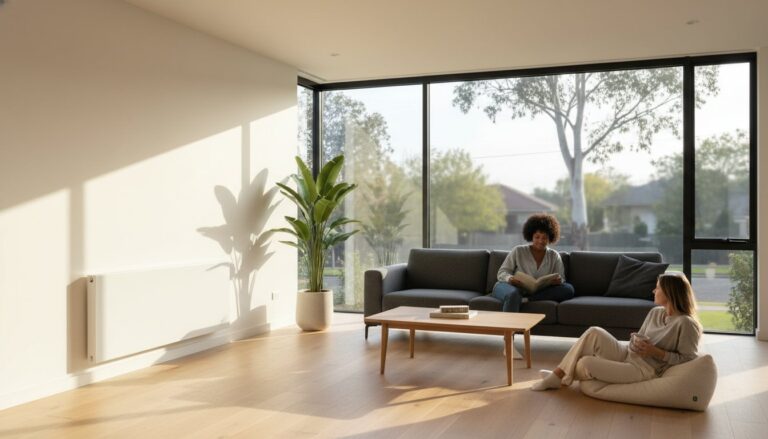
For many Melbourne families, a hydronic system is a vital health investment. Traditional ducted systems rely on fans to blow hot air, which inevitably circulates dust mites, pet dander, and pollen. This can be a major trigger for children or adults living with asthma and allergies. By designing for zero air movement, we eliminate these triggers entirely. Radiant heat works like the sun, warming objects and people directly rather than just the air. This method maintains natural humidity levels, so you won’t suffer from the dry eyes or parched throats associated with forced-air heating. For a deeper dive into these benefits, see our guide on What is Hydronic Heating? The Complete Melbourne Homeowner’s Guide for 2026. It’s about creating a sanctuary that supports your well-being while providing premium comfort.
The Technical Anatomy of a Custom Design Consultation
A professional hydronic heating system design consultation is where we translate your home’s architectural blueprints into a living network of comfort. We don’t just look at the floor plan; we map the “technical anatomy” of your property to ensure every drop of hot water travels the most efficient route possible. This involves detailed zoning strategies that allow you to heat the lounge room to a cozy 21 degrees while keeping bedrooms at a crisp 17 degrees for better sleep. This level of independent climate control is what sets hydronics apart from the “all-or-nothing” approach of ducted systems. This level of precision is the cornerstone of every hydronic heating system design consultation we perform.
We often describe the manifold as the heart of your system. Its placement is critical for maintaining a balanced flow across the entire house. By positioning it centrally, we reduce the length of pipe runs, which minimizes heat loss during transit. In 2026, this technical setup also integrates seamlessly with smart thermostats and home automation. Whether you’re using a gas boiler or an electric heat pump as your source, the design must be optimized for the specific flow temperatures required. For those considering the shift to electricity, having Heat pumps explained by a specialist during the design phase helps clarify how these systems interact with your pipework architecture. A well-executed design ensures your system remains quiet and invisible. If you’re ready to see how this fits your floor plan, speaking with a specialist can clarify the best manifold locations for your specific layout.
Radiator Placement for Maximum Convection
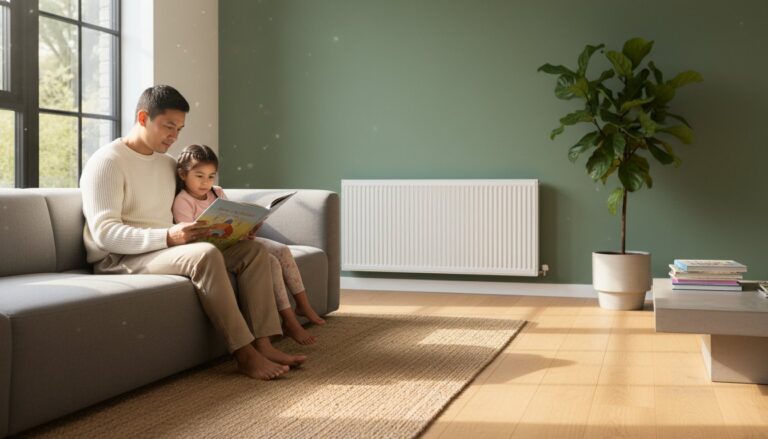
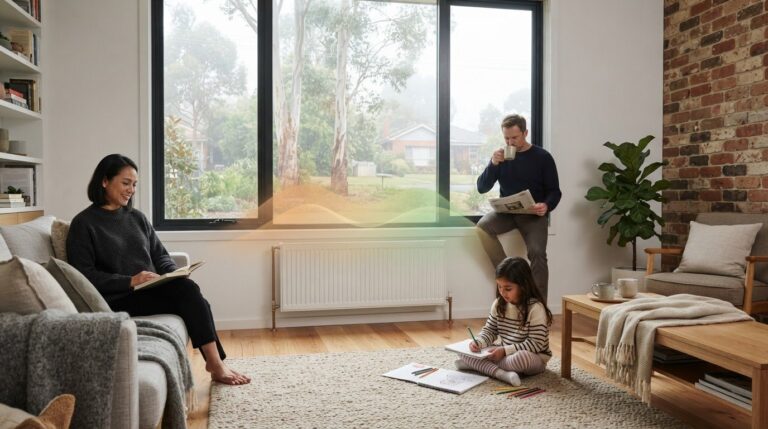
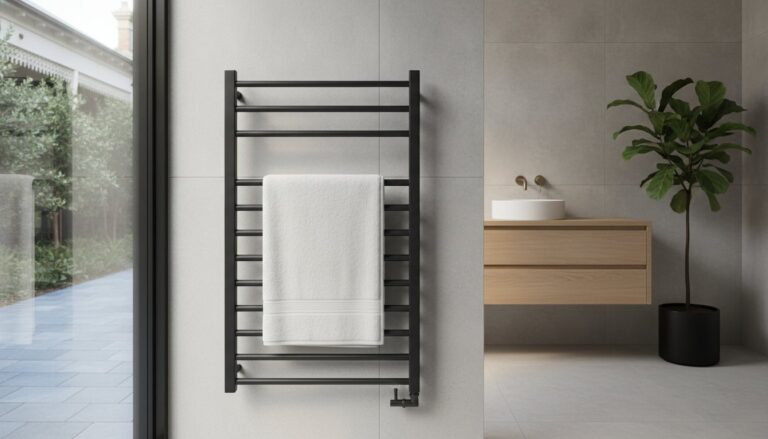
Radiator placement is a science, not just an aesthetic choice. We strategically place Hydronic Radiator Panels under windows. This creates a natural convection current that ‘cancels’ the cold downdrafts typically found near glass surfaces. Each panel is sized to match the specific BTU (British Thermal Unit) requirements of the room, ensuring the heat output perfectly offsets the heat loss. You can choose between horizontal panels, sleek vertical designs, or even trench heating for modern homes with floor-to-ceiling glass.
Underfloor Layouts and Manifold Logic
For new builds or extensions, Underfloor Heating in Melbourne: The Complete 2026 Homeowner’s Guide provides a deeper look at how we design coil patterns. We calculate the spacing of the pipes within the slab or timber floor to guarantee even heat distribution. This prevents the “cold spots” often found in large, open-plan living areas where generic installers might skip the necessary flow rate calculations. Every loop is measured and balanced at the manifold to ensure no room is left out in the cold.
Selecting the Right Heat Source: Heat Pumps vs. Gas Boilers
Choosing between a gas boiler and an electric heat pump is the most pivotal decision you’ll make during a hydronic heating system design consultation. In 2026, this choice is shaped by more than just energy bills; it’s about future-proofing your home before Victoria’s mandatory transition away from residential gas on March 1, 2027. Both options provide the gentle, consistent warmth outlined in the U.S. Department of Energy guide on radiant heating, but they require different engineering approaches to be effective. A thorough consultation weighs these technical factors against your home’s insulation and your family’s lifestyle to find the perfect balance.
The technical core of this decision involves flow temperatures. Traditional boilers are high-heat systems, typically operating at 60 to 80 degrees Celsius. Electric heat pumps, however, are optimized for lower temperatures, usually between 35 and 55 degrees. This difference is why a professional hydronic heating system design consultation is essential. We must ensure your radiators or floor coils have enough surface area to heat the room efficiently using these lower temperatures, preventing the system from overworking and ensuring your comfort remains uncompromised even on the coldest Melbourne mornings.
Electric Heat Pumps: The Future of Victorian Heating
Melbourne homeowners are increasingly turning to air-to-water heat pumps for their incredible efficiency. These systems operate with a Coefficient of Performance (COP) between 3.5 and 4.0, meaning for every 1 kW of electricity used, you get up to 4 kW of heat. When you pair this technology with a solar PV system, your running costs can drop to near-zero levels. Our Heat Pump Hydronic Heating: The 2026 Melbourne Homeowner’s Guide explains how we engineer these systems to thrive in our local climate, ensuring they operate quietly and reliably while maximizing your environmental sustainability.
High-Efficiency Gas Boilers: Reliability and Speed
Despite the shift toward electrification, a high-efficiency boiler remains a powerful choice for certain properties, particularly retrofits where increasing radiator sizes isn’t feasible. Modern condensing boilers are remarkably efficient, recycling waste heat from exhaust gases to achieve ratings over 90%. They offer rapid “heat-up” times, which is perfect for households that want instant warmth after a long day. These compact units can easily be integrated into laundry cupboards or utility spaces, making them an excellent space-saving solution for smaller Melbourne dwellings or luxury homes with very high peak heating demands.
What to Expect During Your Melbourne Hydronic Site Visit
A site visit is the moment your project shifts from theoretical planning to a concrete engineering strategy. When we arrive for a hydronic heating system design consultation, we aren’t just looking for wall space to hang a radiator. We’re performing a technical audit of your home’s thermal envelope. This process is methodical and precise, ensuring that every component of your future system is justified by data rather than guesswork.
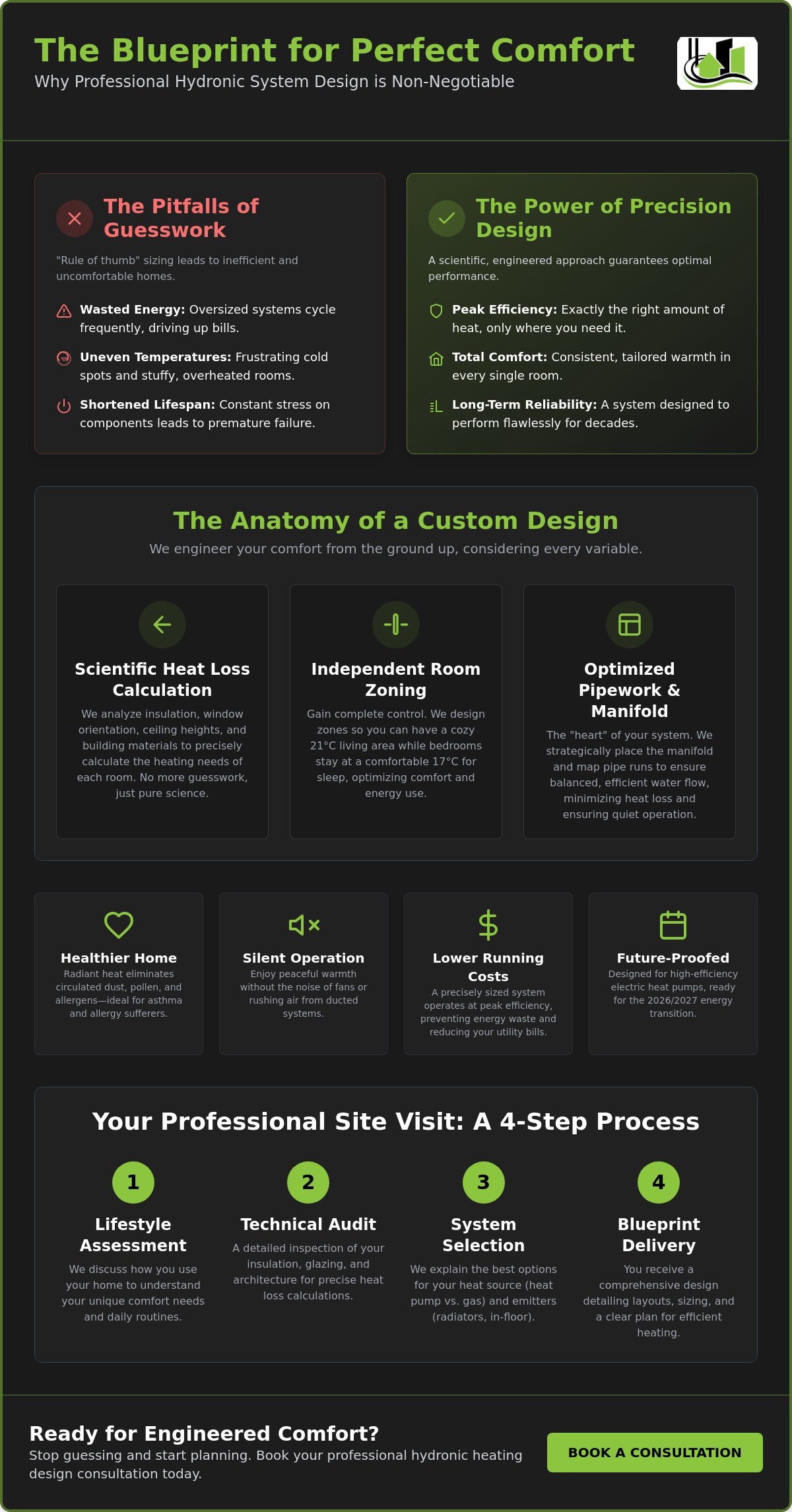
The visit follows a structured five-step process. We begin with a lifestyle assessment to understand how you actually use your home. Do you have a home office that needs warmth all day, or a guest wing that only needs heating on weekends? This informs our zoning strategy. Next, we conduct a room-by-room audit, measuring ceiling heights and assessing insulation. For new builds, we’ll review your architectural plans and window schedules. For retrofits, we scout the most efficient pipe routes through sub-floors or ceiling voids. We then move to product selection, where we match radiator styles or underfloor configurations to your interior design. Finally, we provide a preliminary configuration proposal based on these real-world load calculations. If you’re ready to start this process, you can book your site visit here to receive a professional assessment of your property.
Preparing for Your Consultation
To get the most out of your hydronic heating system design consultation, it helps to have a few documents ready. If you have floor plans or energy bills from the last twelve months, these provide valuable context for our calculations. We’ll also discuss your five-year plan. If you’re considering a solar PV installation or a future home extension, we need to design the system today so it can scale tomorrow. Identifying these “comfort priorities” early ensures the final design reflects your long-term lifestyle goals.
The Outcome: Your Bespoke Hydronic Roadmap
The result of this visit isn’t just a simple quote; it’s a comprehensive specification. While a quote tells you the price, a specification acts as a bespoke roadmap that details exactly how the system will be built. You’ll receive a detailed itemisation of radiator panels, pump sizes, and manifold locations. This transparency eliminates hidden surprises during the installation phase. We’ll also walk you through the expected timeline, from the final design approval through to the first-run commissioning of your system, ensuring you know exactly when your home will reach peak comfort.
Why Melbourne Hydronic Heating for Your System Design?
Choosing a partner for your home’s climate is a matter of trust and technical verification. We have spent over 30 years navigating the diverse housing stock of Melbourne and Geelong, from heritage Victorian terraces to the latest 7-star NatHERS energy-rated builds. We aren’t general plumbers who happen to install radiators; we are hydronic engineering experts. This distinction is vital. A generalist might use “rule of thumb” guesses, but we use precise thermal calculations to ensure your system operates at peak efficiency from day one.
Our commitment to your home extends far beyond the initial installation. We provide end-to-end accountability, managing everything from the first calculation in your hydronic heating system design consultation to your scheduled annual hydronic heating service. This holistic approach ensures that the design intent is actually realized in the final performance. We also stay at the forefront of Victorian energy standards, helping our clients navigate the 2026 Solar Victoria heat pump rebates and preparing properties for the mandatory gas transition coming in 2027. We don’t just sell products; we engineer long-term comfort solutions.
Family-Owned, Locally Operated
Working with a local, family-owned team means you get a level of care that large franchises cannot match. We understand the specific microclimates of the Mornington Peninsula and the chilling winds of Geelong. Every project is personally overseen by our senior designers, ensuring that the engineering remains flawless. We have built a significant part of our reputation on “fixing” systems installed by non-specialists. If your current system has cold spots or high running costs, a professional hydronic heating system design consultation can identify the hydraulic imbalances and provide a clear path to rectification.
Your Next Steps to a Warmer Home
The journey to a healthier, more efficient home begins with a conversation. Booking a consultation allows us to assess your property’s unique thermal needs and provide a bespoke roadmap for your installation. Once the design is approved, our team handles the technical execution with minimal disruption to your daily life. You’ll move from a house with uneven temperatures to a sanctuary of radiant warmth and superior air quality. Don’t leave your comfort to chance. Book your hydronic heating system design consultation with our Melbourne experts today and experience the difference that professional engineering makes.
Secure Your Home’s Future with Professional Engineering
Investing in your home’s comfort is about more than just buying a heater; it’s about engineering a system that respects your property’s unique thermal profile. We’ve explored how scientific heat load calculations and strategic zoning create a sanctuary that is both energy-efficient and allergy-friendly. As Melbourne moves toward a gas-free future in 2027, the decisions you make during your hydronic heating system design consultation will determine your home’s comfort and value for decades to come.
With over 30 years of local experience, our team of specialist hydronic engineers focuses on delivering systems that just work while maximizing energy efficiency. We take the guesswork out of the transition to electric heat pumps, ensuring your system is perfectly sized for the specific challenges of the Victorian climate. Ready to transform your living environment into a premium, health-focused sanctuary? Book Your Professional Hydronic Design Consultation Today and take the first step toward a warmer, healthier home. We look forward to helping you engineer the perfect climate for your property.
Frequently Asked Questions
Is a hydronic heating design consultation free?
Professional engineering services for hydronic systems typically involve a fee to cover the specialist’s time and technical analysis. This ensures you receive a bespoke specification based on data rather than a generic sales quote. Many providers, however, will credit this fee back toward the final cost if you proceed with the installation. It’s a small investment that prevents expensive mistakes like over-sizing your boiler or under-sizing your radiators.
How long does a typical home heating consultation take?
You should expect the site visit to last between 60 and 90 minutes for a standard family home. Larger properties or complex retrofits may take longer as we need to measure every room and audit your insulation levels. This time allows our engineers to scout pipe routes and discuss your comfort priorities. It’s a thorough process that ensures the final design reflects how you actually live in your home.
Can you design a hydronic system for an existing Melbourne home?
We frequently design and install systems in existing properties through a process known as retrofitting. While new builds offer more flexibility for underfloor coils, existing homes are perfect candidates for radiator panels or even trench heating. During the consultation, we’ll identify the most efficient ways to run pipework through sub-floors or ceiling voids. This brings modern, dust-free comfort to Melbourne’s heritage terraces and mid-century builds without requiring a full renovation.
Do I need a design consultation if I already have architectural plans?
Yes, a hydronic heating system design consultation is still necessary because architectural plans focus on structure rather than thermal performance. While your plans show where the walls are, they don’t calculate the heat loss of specific window orientations or the hydraulic requirements of the pump. We use your plans as a foundation to layer in the engineering data needed for a balanced, quiet, and efficient heating network.
What is the difference between a quote and a design consultation?
A quote provides a simple price for parts and labor, whereas a consultation delivers a comprehensive engineering specification. A quote often relies on “rule of thumb” estimates that can lead to cold spots or wasted energy. In contrast, a design consultation involves scientific heat load calculations for every room. This ensures your system is custom-built for your property’s specific thermal envelope and your family’s unique comfort requirements.
Can you design a system that works with my existing solar panels?
Absolutely, as pairing your solar PV system with an electric heat pump is the most efficient way to heat a home in 2026. We’ll design the system to maximize “self-consumption” by using your solar gain during the day to buffer heat for the evening. This configuration can significantly reduce your reliance on the grid. It’s a future-proof solution that aligns perfectly with Victoria’s shift toward full home electrification and renewable energy use.
How do you calculate the heat load for a room with high ceilings?
For rooms with high ceilings, we calculate the total air volume rather than just the square meterage of the floor. We also account for stratification, which is the tendency for hot air to rise and pool at the ceiling. By choosing the right radiator height and placement, we ensure the radiant heat stays in the “living zone” where you actually feel it. This precision prevents you from paying to heat empty space near the roof.
Will the design consultation include a breakdown of running costs?
Yes, a professional hydronic heating system design consultation includes an estimated breakdown of your projected running costs. We compare the efficiency of different heat sources, such as gas boilers versus electric heat pumps with a COP of 3.5 to 4.0. With the 2027 gas transition approaching, this data is vital. It helps you understand the long-term financial benefits of choosing high-efficiency technology tailored to Melbourne’s specific utility rates.