
Heat Pump Hydronic Heating Cost Melbourne: 2026 Price & ROI Guide
Is the initial investment for a modern hydronic system actually an expense, or is it the most profitable upgrade you’ll make for your Melbourne home this year? With Victorian gas prices continuing their upward climb in 2026, it’s natural to feel uneasy about the rising heat pump hydronic heating cost melbourne homeowners are facing. You’ve likely heard the buzz about “going electric,” but the conflicting information regarding “heat pump ready” radiators and shifting government rebates can make the transition feel overwhelming.
We understand that you need more than just a quote; you need a long-term financial strategy for your home comfort. We’ve cut through the noise to provide a definitive, data-driven guide for the current market. You’ll gain a realistic budget tailored to your specific home size, a clear breakdown of the 2026 Solar Victoria and VEU rebate landscape, and a precise look at the payback period. From understanding if your existing panels are compatible to navigating the new $150,000 household income threshold for incentives, this guide ensures your move to a cleaner, healthier home is backed by expert technical precision and local expertise.
Key Takeaways
- Understand the 2026 price ranges for both full system installations and boiler-only replacements based on your Melbourne home’s size and insulation.
- Discover how the heat pump hydronic heating cost melbourne homeowners invest can be offset by a 5-year ROI and heating bill reductions of up to 50%.
- Learn about the updated 2026 Solar Victoria and VEU rebate eligibility, including the new $150,000 household income threshold for government incentives.
- Identify why a professional heat loss calculation is essential for sizing your air-to-water heat pump and ensuring your existing radiators are “heat pump ready.”
- Navigate the Victorian transition away from residential gas with a future-proofed electric heating solution that integrates seamlessly with solar PV systems.
The 2026 Melbourne Landscape: Why Heat Pump Hydronics?
Victoria’s energy landscape has reached a definitive turning point. As of 2026, the shift away from residential gas is no longer a distant policy goal; it’s a practical reality for Melbourne homeowners. With gas tariffs continuing to rise across the state, the traditional reliance on gas boilers is fading. Modern electric heat pumps have emerged as the primary solution for those seeking a future-proof home. These systems don’t just replace gas; they redefine how we experience winter comfort in a climate famous for its “four seasons in one day.”
Victoria’s Energy Transition and Your Home
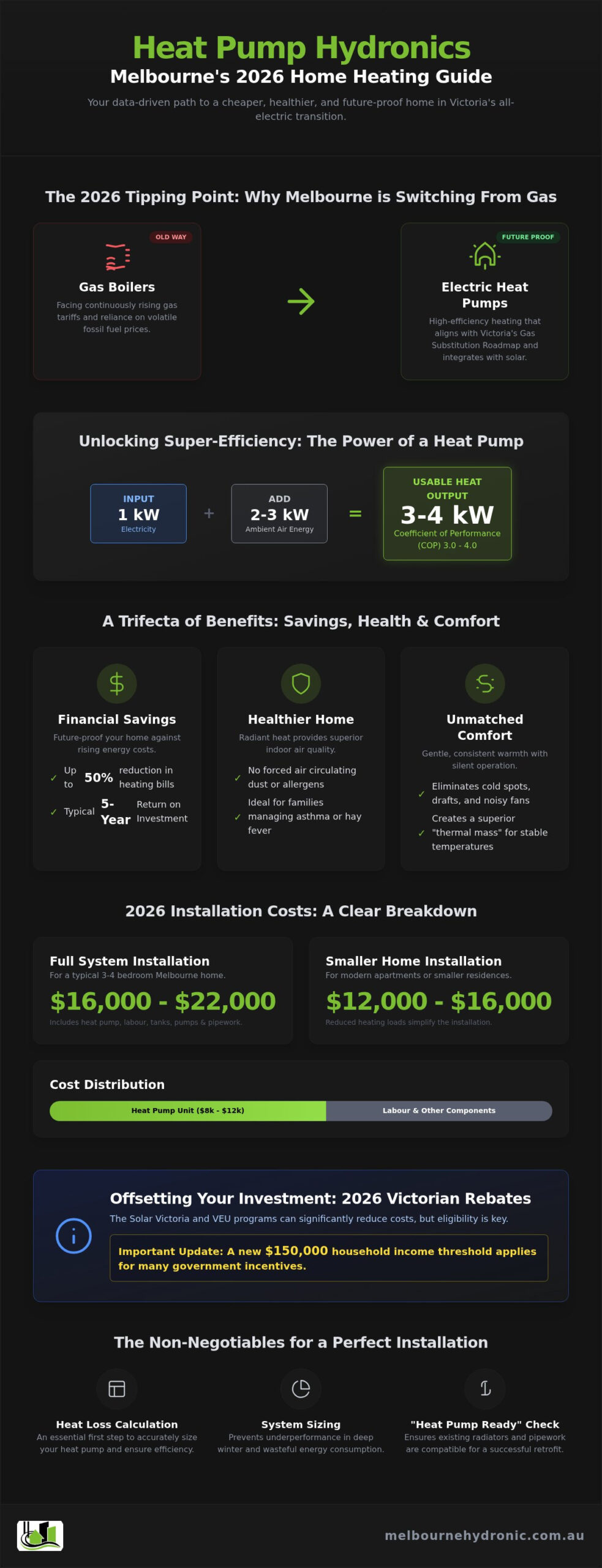
The Victorian Government’s Gas Substitution Roadmap has accelerated the move toward full home electrification. For many residents, 2026 represents the “tipping point” where the long-term running costs of gas simply no longer stack up against high-efficiency electric alternatives. While the initial heat pump hydronic heating cost melbourne families encounter is higher than a standard boiler replacement, the operational math has changed. Modern heat pumps operate with a Coefficient of Performance (COP) between 3.0 and 4.0. This means for every 1kW of electricity used, the system generates 3 to 4kW of heat. When you pair this efficiency with a home solar PV system, your winter energy bills can drop by up to 50% compared to traditional gas heating.
Technical precision is at the heart of this transition. Understanding how heat pumps work is essential for appreciating their value. Unlike a boiler that creates heat through combustion, a heat pump extracts existing thermal energy from the outside air and transfers it into your home’s water circuit. This process remains remarkably effective even during Melbourne’s frostiest July mornings, providing a steady, reliable source of warmth without the volatility of fossil fuel prices.
Radiant Heat vs. Forced Air
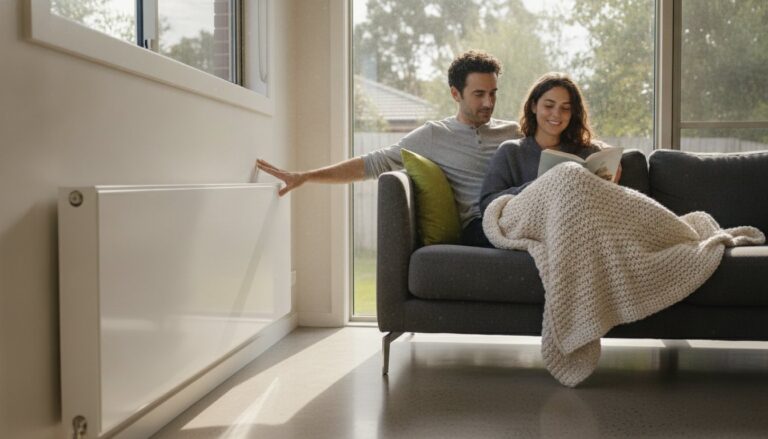
Radiant heat is different. It doesn’t rely on fans to blow hot air, which often carries dust, pet dander, and allergens throughout the house. Instead, hydronic systems use radiator panels or underfloor piping to emit a gentle, consistent warmth that heats objects and people directly. This creates a superior “thermal mass” effect, ensuring there are no cold spots or draughts in your living areas. For families managing asthma or hay fever, the absence of forced air is a significant health benefit, contributing to a cleaner and more hygienic indoor environment.
By maintaining lower, more consistent water temperatures than old-fashioned boilers, modern electric heat pumps ensure your heat pump hydronic heating cost melbourne investment delivers a premium lifestyle. You get a home that feels naturally warm, operates silently, and aligns with the highest international standards of sustainability and health-conscious design.
Estimated Costs for Heat Pump Hydronic Installation in Melbourne
The heat pump hydronic heating cost melbourne residents face in 2026 depends heavily on whether you’re upgrading an existing system or starting a fresh installation. For a typical 3 to 4 bedroom home, industry estimates for a complete heat pump hydronic system generally range between $16,000 and $22,000. This investment is part of a global transition to secure and sustainable heating, where homeowners prioritize long term energy independence over lower upfront costs.
When breaking down the quote, the equipment represents the most significant portion. A standalone air-to-water heat pump unit typically costs between $8,000 and $12,000. The remaining balance covers the specialized labor, buffer tanks, circulation pumps, and the intricate pipework required to move thermal energy through your home. Smaller residences or modern apartments often see a lower price range, typically between $12,000 and $16,000, due to reduced heating loads and simplified distribution networks.
Boiler-to-Heat Pump Retrofit Pricing
If you already have a hydronic system, a “boiler swap” is a streamlined path to electrification. Replacing a gas boiler with a heat pump while keeping your existing radiator panels is a common choice for Melbourne’s inner-city terrace homes. However, it’s rarely a simple plug and play scenario. To ensure the system operates efficiently at the lower water temperatures produced by heat pumps, you may need “Heat Pump Ready” upgrades. These can include:
- Power flushing older pipework to remove accumulated sludge and debris.
- Upgrading specific radiator panels to larger sizes to increase heat transfer surface area.
- Electrical circuit upgrades to support the heat pump’s power requirements.
- Installation of a buffer tank to prevent the heat pump from short-cycling.
New Build Installation Economics
Building a new home offers the most cost effective way to integrate hydronics because the installation happens before the slab is poured or the walls are closed. In-slab Underfloor Heating in Melbourne is particularly popular for new builds as it provides a lower “per square metre” rate compared to retrofitting radiators into an existing structure. For multi-story designs, a hybrid approach is often best: underfloor heating on the ground level for thermal mass and hydronic radiator panels upstairs for rapid response in bedrooms.
Planning your system during the design phase allows for better integration with solar PV, which significantly reduces the ongoing heat pump hydronic heating cost melbourne families have to manage. It’s always wise to speak with an experienced designer early in the process to ensure your system is sized correctly for Melbourne’s unique climate requirements.
Variables That Influence Your Final Quote
Every home presents a unique thermal profile, meaning no two quotes are identical. While we’ve established general industry ranges, the specific heat pump hydronic heating cost melbourne homeowners receive is often dictated by infrastructure readiness. One of the most significant “hidden” variables is your electrical switchboard. Because heat pumps are high-draw electric appliances, many older Melbourne homes require a switchboard upgrade or a new dedicated circuit to handle the load safely. This electrical work typically adds between $1,500 and $3,000 to the total project investment, a factor our technicians assess during the initial site visit.
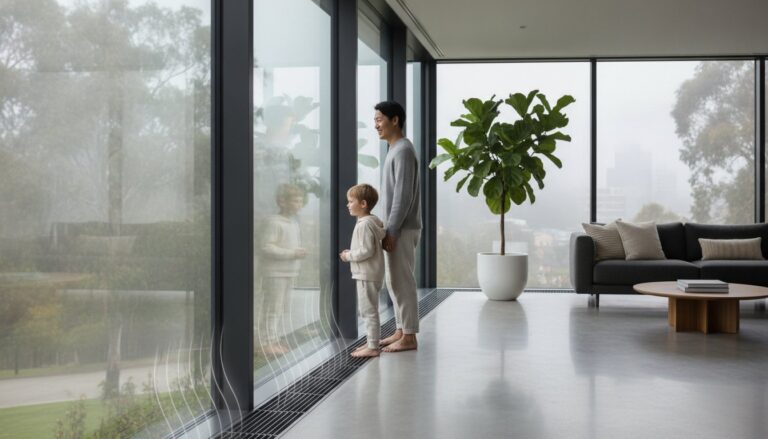
The choice of heat emitters also impacts the final figure. Standard radiator panels remain the most cost-effective and popular option for retrofits. However, if your architectural design features floor-to-ceiling glass or limited wall space, you might opt for Hydronic Trench Heating. These systems are recessed into the floor, providing a seamless aesthetic and effective “air curtain” against cold glass, though they require more intensive labor and specialized hardware compared to wall-mounted panels.
Radiator Panel Compatibility and Sizing
If you’re transitioning from a gas boiler, we must evaluate your existing Hydronic Radiator Panels Melbourne. Gas boilers are designed to run water at high temperatures, often around 75°C. In contrast, electric heat pumps are most efficient when they operate at lower flow temperatures, typically between 45°C and 55°C. To compensate for this lower temperature while maintaining the same level of warmth, the radiators need a larger surface area.
You don’t always need to replace every panel in your home. In many cases, we can optimize the system by upgrading 2 or 3 key radiators in the main living areas to larger or double-convector models. This targeted approach ensures the heat pump can keep the house comfortable on the coldest Melbourne nights without being forced to run at inefficiently high temperatures.
Home Insulation and Heat Loss
A professional heat loss calculation is a non-negotiable step in our design process. We analyze the home’s “envelope” to determine exactly how much energy escapes through the walls, floor, and roof. Melbourne’s housing stock varies wildly; a classic weatherboard cottage in Yarraville loses heat much faster than a modern brick veneer home in Glen Waverley.
Investing in ceiling or underfloor insulation before your installation can actually lower your overall heat pump hydronic heating cost melbourne. Better insulation reduces the required heating load, which may allow you to install a smaller, less expensive heat pump unit. Avoiding an “over-sized” system is critical; a unit that’s too powerful for the space will cycle on and off too frequently, which wastes energy and shortens the equipment’s lifespan. Precision sizing is the key to both comfort and long-term reliability.
Calculating ROI: Rebates and Running Costs in Victoria
The most significant financial advantage comes from the “Solar Synergy” effect. By pairing your heat pump with a standard 6.6kW solar PV array, you can shift your heating cycles to the middle of the day when generation is at its peak. To facilitate this transition, homeowners can explore Solar Installation and Electrical Contracting to ensure their system is correctly configured for maximum efficiency. Because heat pumps utilize a high Coefficient of Performance (COP) of 3.0 to 4.0, every kilowatt of free solar energy produces up to four kilowatts of warmth. This strategy can slash your winter heating bills by 50% or more, essentially turning your roof into a private power station for your home comfort.
Navigating the rebate landscape is essential for lowering your upfront heat pump hydronic heating cost melbourne. The Victorian Energy Upgrades (VEU) program remains a cornerstone of this transition, providing point-of-sale discounts when you decommission an old gas boiler in favour of a high-efficiency electric heat pump. These discounts are applied directly by accredited providers, reducing the complexity for the homeowner.
Additionally, the Solar Homes Program offers rebates of up to $1,000 for eligible heat pump systems. It’s vital to note that as of July 1, 2026, the combined household taxable income threshold for eligibility was reduced to $150,000 per year. To claim these incentives, the installation must be performed by a licensed specialist; DIY or uncertified installations are strictly ineligible for government support. If you’re unsure about your eligibility, contact our team for a rebate assessment to ensure you maximize your available savings.
Payback Period Analysis
Longevity is the secret weapon of hydronic technology. While a standard split system air conditioner often requires replacement after a decade, a professionally maintained hydronic system is built to last 25 years or more. This durability drastically alters the total cost of ownership. Over a 10-year period, the maintenance requirements for a heat pump are remarkably low, primarily involving simple annual checks to ensure the refrigerant and water pressure are optimal. There are no burners to clean or gas valves to fail, leading to a more reliable and hygienic heating experience that pays for itself through sheer endurance and efficiency.
Choosing a Melbourne Specialist for Your Installation
Selecting the right partner for your home electrification project is as critical as the hardware itself. With over 30 years of experience navigating the unique climate challenges of Victoria, we understand that a system designed for a coastal home in Geelong requires a different technical approach than one for a dense inner-city Melbourne terrace. When you evaluate the heat pump hydronic heating cost melbourne specialists provide, remember that the lowest quote often overlooks the sophisticated balancing required to make a heat pump truly efficient. Local expertise ensures your system is sized for Melbourne’s “four seasons in one day” rather than a generic European climate model.
Transparency is the hallmark of a professional installation. A comprehensive quote should clearly detail the scope of work, including plumbing modifications, electrical circuit requirements, and the final commissioning phase. This prevents the “hidden” costs often associated with switchboard upgrades or pipework retrofits from appearing halfway through the project. By choosing a specialist who handles the design, installation, and after-sales support, you ensure a single point of accountability for your home’s long-term comfort and well-being.
The Melbourne Hydronic Design Process
Our design philosophy centers on technical precision and customized comfort. We begin every project with a detailed site consultation and a non-negotiable heat loss assessment. This allows us to tailor our Hydronic Radiator Panels and underfloor layouts to your home’s specific thermal envelope. We focus on system balancing to ensure the air-to-water heat pump operates at its peak efficiency, providing a consistent, radiant warmth that split systems simply can’t match. This methodical approach ensures your home is future-proofed for 2030 and the continued phase-out of residential gas.
Maintenance and Long-Term Reliability
To maintain the health and hygiene of your system, regular maintenance is essential. While electric heat pumps have fewer moving parts than gas boilers, they still require professional attention to perform at their best. We recommend an annual Hydronic Heating Service Melbourne homeowners can rely on to verify refrigerant levels, water pressure, and electrical integrity.
For those transitioning from older gas systems, power flushing is a vital step in the maintenance cycle. Removing accumulated magnetite and sludge from existing pipework is critical for heat pump performance. Because these modern units operate at lower flow temperatures, even minor internal blockages can significantly hinder heat transfer. Investing in proactive care protects your heat pump hydronic heating cost melbourne investment, ensuring your system remains a silent, dust-free source of premium comfort for 25 years or more. Booking a professional consultation is the first step toward a more sustainable and healthy living environment.
Secure Your Sustainable Winter Comfort
Transitioning to an electric hydronic system is a strategic investment in your home’s value and your family’s well-being. The heat pump hydronic heating cost melbourne homeowners face in 2026 is balanced by significant long-term energy savings, reduced maintenance, and the stability of a gas-free future. By leveraging current Victorian rebates and pairing your system with solar PV, you can transform an upfront installation into a definitive financial and lifestyle win.
At Melbourne Hydronic Heating, we bring over 30 years of experience to every design. As a family-owned and operated Victorian business, we’re specialists in energy-efficient electric heat pump systems tailored specifically for the unique climates of Melbourne and Geelong. Our technical precision ensures your system delivers the clean, silent, and radiant warmth your home deserves for decades to come. Don’t leave your comfort to chance in a shifting energy market. Get a Professional Quote for Your Melbourne Heat Pump Installation today and take the first step toward a healthier, future-proofed home environment.
Frequently Asked Questions
How much does a hydronic heat pump cost to install in Melbourne?
Installation for a typical three to four bedroom home generally ranges between $16,000 and $22,000 across the industry. For smaller apartments or units, you might expect a range of $12,000 to $16,000. The heat pump unit itself represents a significant portion of this, typically costing between $8,000 and $12,000. These figures cover the specialized technical labor required for complex pipework and system integration in the Victorian climate.
Are there government rebates for switching from gas to hydronic heat pumps in 2026?
Victorian homeowners can access significant incentives through the Victorian Energy Upgrades (VEU) program and Solar Victoria. The VEU provides a point-of-sale discount when transitioning from gas boilers to electric heat pumps. Additionally, the Solar Homes Program offers a rebate of up to $1,000. It’s important to remember that as of July 2026, the combined household income limit for eligibility was adjusted to $150,000 per year.
Can I use my existing radiators with a new electric heat pump?
You can often retain your existing radiator panels, but some modifications are usually necessary. Because heat pumps operate at lower water temperatures than gas boilers, the radiators must have enough surface area to heat the room effectively. Our technicians often recommend upgrading two or three key panels to larger, double-convector models. We also perform a power flush to remove debris, ensuring the new heat pump operates with maximum efficiency and hygiene.
Is a heat pump hydronic system cheaper to run than gas?
Modern electric heat pumps are significantly cheaper to run than traditional gas boilers in 2026. For a 200 square metre home, annual running costs are estimated between $900 and $1,300, compared to $1,400 to $1,800 for gas. When integrated with a solar PV system, these costs can drop by up to 50%. This makes the heat pump hydronic heating cost melbourne families invest upfront a highly effective long-term financial strategy.
How long does a heat pump hydronic installation take?
A standard boiler-to-heat pump replacement typically takes one to two days to complete. If you’re installing a full system into an existing home, the process generally spans three to five days depending on the complexity of the pipework and radiator placement. For new builds, the installation is phased to match your construction timeline, starting with the rough-in before the slab is poured or the internal walls are finalized.
Do I need to upgrade my electrical switchboard for a heat pump?
Do I need to upgrade my electrical switchboard for a heat pump? Most modern heat pumps are high-draw appliances that require a dedicated circuit to operate safely. For homeowners researching the technical requirements of such upgrades, looking at the expertise of established contractors like Reinhart Electric & Service, Inc. can provide valuable insight into why professional electrical oversight is a non-negotiable part of home electrification.
Modern air-to-water heat pumps are designed to operate effectively in temperatures far below Melbourne’s typical winter minimums. Most units maintain high efficiency even when the mercury drops to -15°C. During a frost, the system may enter a brief “defrost cycle” to clear ice from the external unit, but this does not interrupt the consistent, radiant warmth inside your home. It’s a reliable solution for Victoria’s coldest mornings.
What is the lifespan of an electric hydronic heat pump?
A high-quality electric hydronic system has an impressive lifespan of 25 years or more. While the external heat pump unit itself typically lasts around 15 to 20 years, the internal radiator panels and pipework are incredibly durable. This longevity is significantly better than standard split system air conditioners, which often require replacement after just 10 years. Regular annual maintenance and professional servicing are the keys to maximizing this long-term reliability.