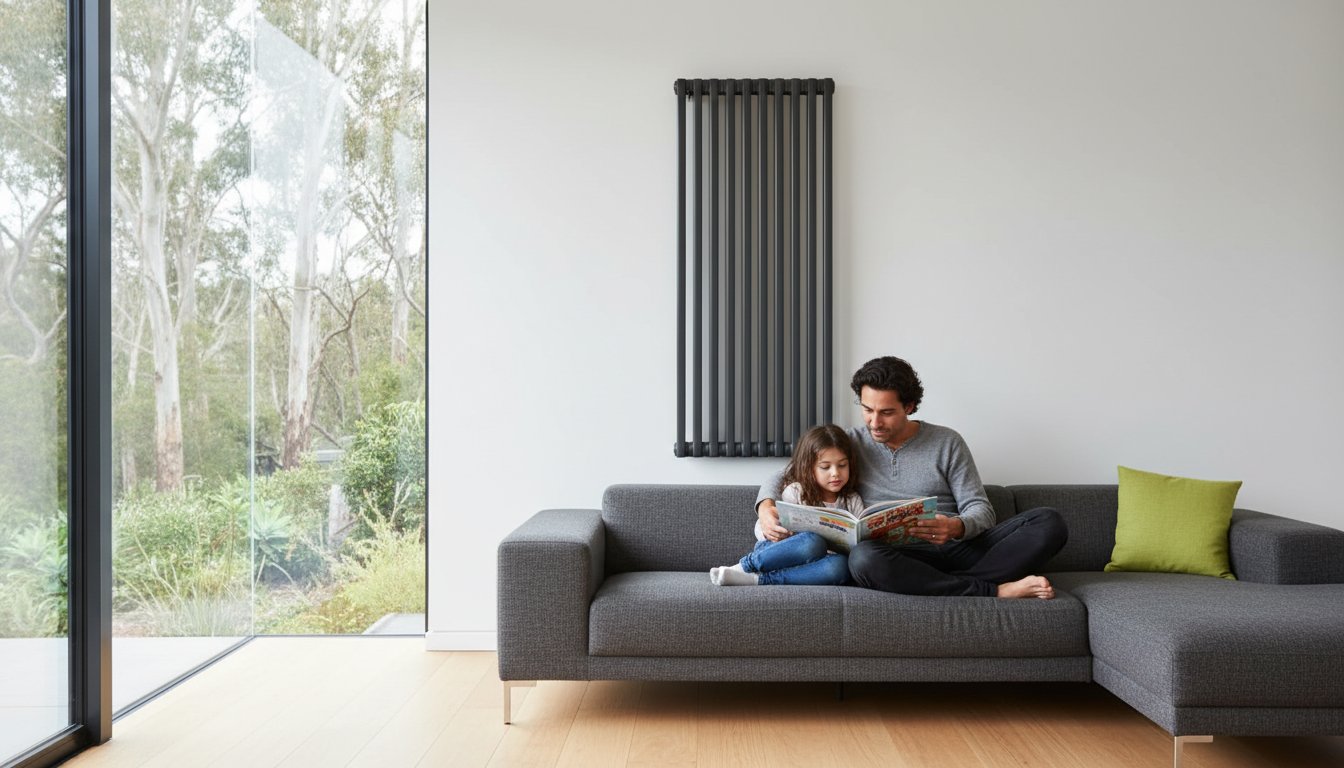
Hydronic Radiators in Melbourne: The 2026 Home Heating Guide
Why do we accept that keeping our Melbourne homes warm during a damp July must mean breathing in bone-dry, dust-filled air that irritates our lungs? If you’re tired of the constant hum of a split system and the uneven heat it produces, you aren’t alone. Most Victorian homeowners believe that high energy bills and itchy eyes are simply the price of comfort. However, switching to a high-performance hydronic radiator provides a level of silent, radiant warmth that traditional forced-air systems simply cannot match.
We understand that your home is a sanctuary where health and design should coexist. This 2026 guide explains how you can achieve a dust-free environment that’s ideal for asthma and allergy sufferers while significantly reducing your environmental footprint. Since heating accounts for approximately 40% of the average Australian household’s energy use according to government data, choosing the right system is a vital financial decision. You’ll discover the latest European aesthetic trends, the technical precision of modern boilers, and why local families are prioritizing silent, consistent heat for their long-term comfort. We will walk you through everything from installation logistics to the superior efficiency of water-based thermal mass.
Key Takeaways
- Learn why water-based heat distribution is the gold standard for Melbourne homes, offering far greater efficiency and comfort than traditional air-based systems.
- Discover how a modern hydronic radiator creates a dust-free environment, making it the premier heating choice for families managing asthma or allergies.
- Compare the long-term lifecycle costs and energy savings of hydronic panels against standard ducted heating to protect your A$ investment.
- Understand how to match radiator materials like steel, cast iron, or aluminium to your home’s unique thermal mass and interior design.
- Explore the professional installation process, from mapping your home’s specific heating requirements to expert maintenance for peak performance.
What is a Hydronic Radiator and Why is it Melbourne’s Gold Standard?
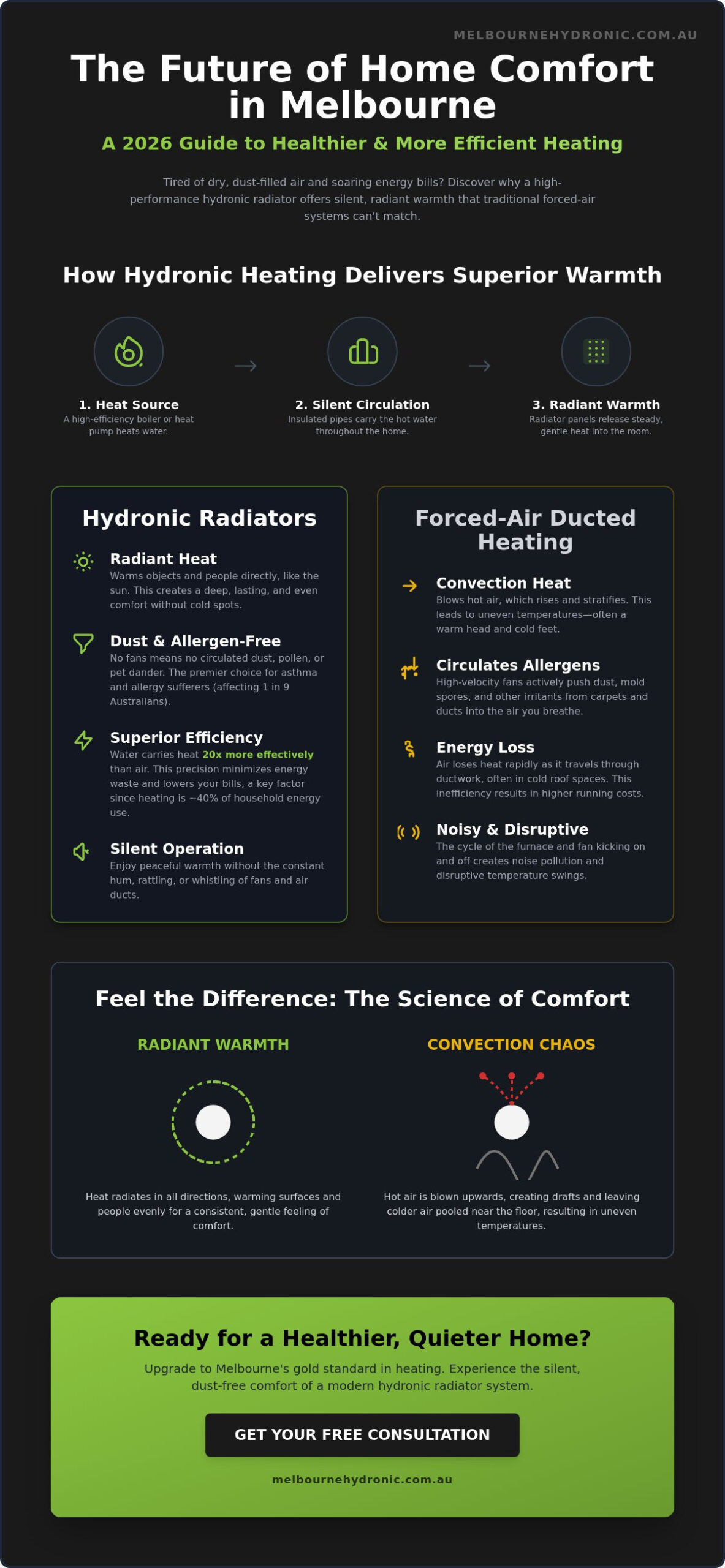
A modern residential radiator isn’t the clunky, noisy unit of the past. It’s a sophisticated heat exchanger designed for the 21st-century home. For those asking What is a radiator? in a contemporary context, it’s a device that transfers thermal energy from one medium to another to warm an interior space. In Melbourne, the shift toward hydronic heating reflects a growing demand for European-style comfort that ducted systems can’t match. Water is a vastly superior conductor compared to air. It carries heat roughly 20 times more effectively; this ensures every kilowatt of energy is used with precision.
Victoria’s 2026 energy standards require new builds to meet strict 7-star NatHERS ratings. This regulatory shift makes hydronic systems the logical choice for homeowners. These systems are quiet, efficient, and provide a level of thermal stability that protects your property value for decades. Unlike air-based systems that lose heat rapidly, water-based systems retain warmth, making them the gold standard for high-end residential projects across the state.
The Core Components: Boiler, Pipes, and Panels
The system begins with a central energy source, typically a high-efficiency boiler or a modern electric heat pump. From this hub, insulated reticulation piping travels through the floors or walls. It delivers hot water silently throughout the home without the rattling or whistling of air ducts. The panel radiator acts as the visible face of the system. These panels are engineered to release heat steadily, creating a consistent climate in every room without the energy waste associated with forced-air systems.
Radiant vs. Convection Heat: The Science of Comfort
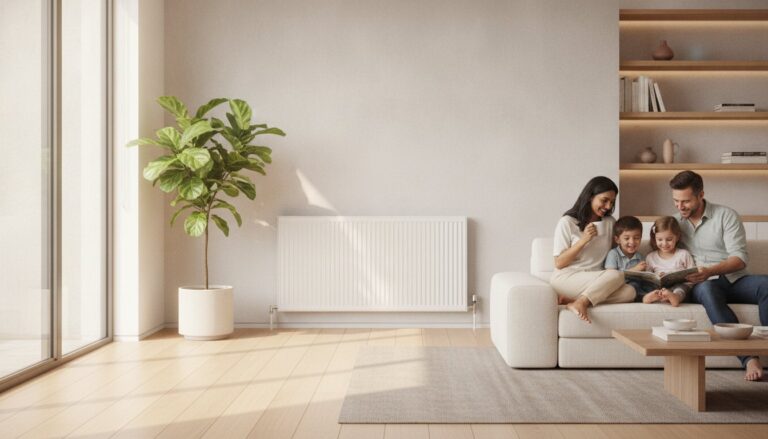
Traditional ducted systems rely on convection, which is the process of blowing hot air around a room. This often leads to stratification, where your head is warm but your feet stay cold. Radiant heat works differently. It warms objects and people directly, much like the natural warmth of the sun. Even on the coldest Geelong mornings, a panel radiator provides a deep, sun-like warmth that feels more natural.
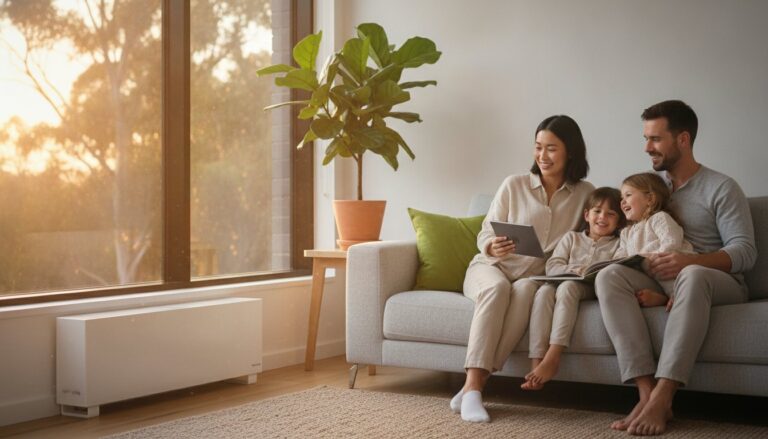
Because there are no fans, the system doesn’t circulate dust, pollen, or allergens. This makes it a healthier choice for families concerned about respiratory health. You won’t find the cold spots or sudden temperature fluctuations common in older Melbourne houses. Instead, you get a silent, dust-free environment that maintains a steady temperature regardless of the weather outside. It’s a premium approach to living that prioritizes both health and efficiency.
Health Benefits: Why Radiators are Best for Asthma and Allergies
Many Melbourne homeowners don’t realize their heating system might be making them sick. Traditional ducted gas systems rely on high velocity fans that circulate a cocktail of dust mites, pet dander, and seasonal pollen throughout the house. For the 1 in 9 Australians living with asthma, this constant air movement creates a significant respiratory burden. Hydronic systems offer a cleaner alternative because they don’t rely on forced air. A premium hydronic radiator operates through natural convection and radiant heat, meaning there are no fans to stir up allergens from your carpets or rugs.
Indoor air quality is a growing concern for Victorian families in 2026. This Australian government guide to heating highlights how different systems impact your living environment. Unlike ducted vents that collect debris in hard to reach channels, hydronic systems are entirely sealed. This prevents the “burnt dust” smell often associated with turning on a furnace for the first time in winter. By choosing a system that prioritizes air purity, you’re investing in a home that supports long term lung health rather than compromising it.
A Dust-Free Environment for Sensitive Households
The concept of “pormentes” or dust free heating has become a critical factor for heritage renovations in Melbourne’s inner north. In suburbs like Fitzroy and Carlton, where older homes often struggle with dampness and dust, a hydronic radiator provides a hygienic solution. There are no filters to change and no ducts that require professional cleaning every few years. You’re simply enjoying heat that’s emitted from a solid, easy to clean surface. This lack of air turbulence ensures that fine particulates stay on the floor where they can be easily vacuumed, rather than suspended in the air you breathe.
The Psychological Impact of Silent, Consistent Warmth
Beyond physical health, the shift to hydronic heating offers profound mental well being benefits. The constant “fan roar” of forced air systems can increase cortisol levels and disrupt sleep patterns, especially in quiet nurseries or home offices. Hydronic panels work in total silence; there’s no clicking of expanding metal or rushing air to distract you from your work or rest. This creates a serene atmosphere that’s particularly beneficial for young children and those sensitive to sensory input. Thermal comfort is the balance of radiant temperature and air stillness.
Maintaining natural humidity is another health advantage. Forced air often drops indoor humidity below the recommended 40% threshold, leading to dry skin, scratchy throats, and irritated eyes. Because hydronic heat doesn’t strip moisture from the air, your home remains comfortable without the need for noisy humidifiers. If you’re looking to upgrade your home’s environment, you can explore our range of healthy heating solutions to see how we help Melbourne families breathe easier every winter.
Radiators vs. Ducted Heating: The Melbourne Comparison
Choosing between traditional ducted air and a modern hydronic system is a defining decision for any Melbourne renovation or build. While standard split systems or gas ducted heaters are common, they often fail to match the longevity of hydronic panels. A typical air-based system has a lifecycle of roughly 10 to 12 years before major components require replacement. In contrast, a high-quality radiator system is a generational investment, frequently lasting 25 years or more with minimal maintenance. This durability significantly lowers the total cost of ownership, even if the initial installation requires a higher budget.
Energy efficiency remains the primary driver for Melbourne homeowners in 2026. Water is a far superior medium for heat transfer, carrying approximately four times the heat capacity of air. Ducted systems often lose up to 30% of their energy through leaky or poorly insulated ceiling voids. Hydronic systems eliminate this waste by delivering heat directly where it’s needed. Because each individual radiator can be fitted with a Thermostatic Radiator Valve (TRV), you gain precise zoning capabilities. You don’t have to waste A$100s every winter heating empty guest rooms or hallways just to keep the lounge warm.
Health and aesthetics also play a major role in this comparison. Ducted systems circulate dust, pet dander, and allergens throughout the home. Experts often highlight the impact of heating systems on indoor air quality, noting that forced-air systems can compromise the environment for asthma sufferers. Hydronic panels provide silent, radiant warmth that doesn’t move air at all. Visually, the bulky, floor-mounted plastic vents of the 1990s are being replaced by sleek, powder-coated European panels that sit elegantly against the wall like a piece of functional art.
Efficiency and Running Costs in Victoria’s Climate
In the 2026 energy market, heat pump hydronic heating has emerged as the most cost-effective solution for Victorians. While gas boilers were once the standard, the transition to high-efficiency electric heat pumps allows homeowners to leverage solar PV arrays. Melbourne’s damp, bone-chilling winters can cause standard air-to-air heat pumps to struggle with defrost cycles, but a dedicated hydronic heat pump is engineered for these conditions. Beyond monthly savings, these systems add measurable ROI to your property, as savvy buyers now look for “gas-free” and “energy-rated” features when browsing the Melbourne market.
Installation Complexity: Heritage Homes vs. New Builds
Retrofitting heating into a double-brick Victorian or Edwardian home is notoriously difficult. Standard 300mm ducts simply won’t fit into tight sub-floor spaces or heritage ceilings without destroying original cornices. Radiators offer a non-invasive alternative. The narrow, flexible pipework can be snaked through floor joists or behind walls with minimal disruption. For modern builds featuring floor-to-ceiling glass, trench heating provides a “hidden” solution. These units sit flush within the floor, creating a curtain of warm air that prevents condensation on the glass while maintaining a minimalist aesthetic.
Choosing the Right Radiator Style for Your Interior
Selecting the perfect radiator involves balancing architectural aesthetics with the specific thermal demands of your Melbourne home. Today’s market offers a sophisticated range of hydronic heating panels that transition seamlessly from heritage renovations to ultra-modern builds. Whether you’re retrofitting a Victorian terrace or designing a glass-fronted coastal retreat, the material and placement of your units dictate both comfort and energy efficiency.
Material choice directly impacts how your system interacts with your home’s thermal mass. Aluminium units heat up almost instantly, making them ideal for well-insulated modern townhomes where rapid temperature control is a priority. Steel remains the most versatile option, offering a balance of durability and performance. For those seeking a statement, designer radiators have evolved into functional art pieces. These premium units come in various textures and bespoke colours, allowing the heating system to complement your interior palette rather than hiding behind furniture.
Sizing your system correctly is the most critical step in the installation process. We don’t rely on guesswork; instead, we perform professional heat-loss calculations. These assessments account for ceiling height, insulation R-values, and window orientations. Industry data shows that incorrectly sized units can lead to a 15% increase in energy consumption, as boilers work harder to compensate for undersized panels. Getting the math right ensures your home reaches the desired temperature efficiently, even during a 5°C Melbourne July night.
Steel Panel vs. Cast Iron: Aesthetic and Performance
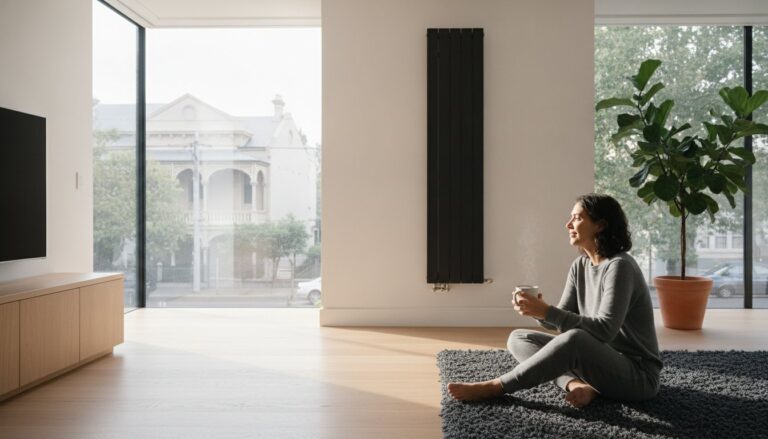
Steel panels provide a slim, unobtrusive profile that suits contemporary interiors. They offer quick response times, allowing you to adjust room temperatures rapidly as the weather shifts. Cast iron models serve a different purpose. They provide a steady, gentle heat that combats the draughts found in older Melbourne villas. Their high thermal mass means they continue to radiate warmth long after the boiler switches off. If you’re tight on wall space in a compact urban apartment, vertical radiators offer a stylish, space-saving alternative to traditional horizontal layouts.
Specialised Solutions: Towel Rails and Trench Heaters
Luxury bayside bathrooms benefit immensely from hydronic towel rails. They don’t just warm your towels; they reduce ambient moisture and prevent mould growth in humid coastal conditions. For homes with expansive glass bifold doors, trench heating is the superior choice. These units sit flush within the floor, creating a curtain of warm air that stops condensation and blocks cold downdraughts. We recommend placing standard radiators under windows to neutralise cold air at the source, ensuring even heat distribution throughout the room.
Installation and Maintenance with Melbourne’s Experts
Your home’s thermal performance depends on more than just high-quality hardware. It requires a bespoke engineering approach that considers the unique architectural quirks of Victorian villas and modern builds alike. Melbourne Hydronic Heating brings 30 years of local experience to every project, specializing in complex retrofits where precision is non-negotiable. Our team understands that a poorly designed layout leads to cold spots and wasted energy, so we map every square meter of your living space to ensure total comfort.
Choosing a professional installation means you’re investing in a system that operates silently and remains completely dust-free. This is a vital health benefit for families dealing with asthma or seasonal allergies in Melbourne’s fluctuating climate. By avoiding the turbulent air movement of ducted systems, our installations provide a steady, radiant warmth that feels natural and luxurious.
The Installation Journey: From Consultation to Commissioning
- Step 1: On-site heat loss assessment and system design. We don’t guess your heating needs. Our technicians perform a detailed room-by-room analysis, calculating heat loss based on factors like 3.2-meter ceiling heights, window glazing, and insulation levels to determine the exact output required.
- Step 2: Pipework installation and panel mounting. Whether it’s a new build or a delicate retrofit in a heritage home, we install high-grade multilayer pipes with minimal disruption. Every radiator is mounted using heavy-duty brackets designed for long-term stability and aesthetic alignment.
- Step 3: System balancing and final testing for optimal flow. Once the hardware is in place, we balance the hydraulic pressure. This technical calibration ensures every room reaches its target temperature simultaneously, preventing the boiler from overworking.
Long-term Care: Power Flushing and Boiler Servicing
A hydronic system is a long-term investment that can last over 25 years with the right care. Over time, magnetite and sludge can build up inside your pipework, reducing heat transfer. Our specialized power flushing process removes these contaminants, restoring your system to its original factory efficiency and protecting your internal components from premature wear.
Regular maintenance is the secret to low running costs. Scheduling a consistent hydronic heating service melbourne ensures your condensing boiler or heat pump remains in peak condition. These annual safety checks include testing gas pressures, checking expansion tanks, and verifying that each radiator valve is functioning correctly. This proactive approach prevents 90% of common system failures before they occur during the first cold snap of May.
Don’t leave your winter comfort to chance. Our expert team is ready to design a system that meets the specific demands of your home and lifestyle. Book your professional hydronic consultation today and experience the difference that three decades of local expertise makes.
Secure Your Family’s Comfort for the 2026 Winter and Beyond
Choosing a hydronic radiator system isn’t just about warmth; it’s a long-term investment in your health and home aesthetics. Unlike ducted systems that circulate dust and allergens, these silent systems provide a 100% dust-free environment. This makes them the preferred choice for Melbourne families managing asthma or hay fever. Whether you’re preserving the charm of a Victorian heritage home or finishing a sleek modern build, the right design delivers unmatched efficiency and style.
As a local, family-owned business with over 30 years of specialist experience across Victoria, we understand the unique demands of our local climate. Our team excels in both complex heritage retrofits and contemporary new builds, ensuring every project meets our rigorous engineering standards. We take pride in delivering premium European technology with a personal, local touch that larger corporations can’t match. You deserve a home that feels as good as it looks, backed by three decades of proven reliability.
Get a Custom Hydronic Radiator Quote for Your Melbourne Home
We look forward to helping you create a healthier, warmer space for your family today.
Frequently Asked Questions
Is it worth replacing my old radiators with modern panels?
Upgrading your old radiator units to modern steel panels is a smart investment that improves heating efficiency by up to 20% compared to cast iron models from the 1980s. These new panels require significantly less water to operate, which reduces the load on your boiler and lowers energy consumption. You’ll notice more consistent heat distribution and a sleeker design that fits 2026 interior trends. It’s an effective way to lower energy bills while improving your home’s overall comfort levels.
Can I install hydronic radiators in a two-storey Melbourne home?
You can definitely install hydronic heating in a two-storey Melbourne property. Our team uses specialized piping techniques to run lines through floor joists or internal wall cavities without damaging the structure. This ensures every room on the upper level receives the same silent, dust-free warmth as the ground floor. It’s a common solution for Victorian-era renovations where maintaining architectural integrity is a priority for the homeowner.
How long do hydronic radiator panels typically last?
High-quality hydronic radiator panels typically last between 25 and 30 years when maintained correctly. Because they’re closed-loop systems with few moving parts, they suffer very little wear and tear over decades of use. We recommend using a corrosion inhibitor in the water to prevent internal rusting. This simple preventative measure ensures your system remains reliable and efficient through many Melbourne winters.
Are hydronic radiators safe for children and pets to touch?
Hydronic panels are safe for families because their surface temperature usually stays between 60 and 70 degrees Celsius. Unlike electric bar heaters or open fires, they won’t cause instant burns upon accidental contact. If you have very young children, we can install Low Surface Temperature (LST) models that keep the exterior casing even cooler. This makes them a top choice for safety-conscious households and healthcare environments across Australia.
Do radiators take a long time to heat up a cold room?
Most modern panels reach their optimal operating temperature within 10 to 20 minutes of the boiler starting. This rapid response time is much faster than traditional slab heating, which can take several hours to react to temperature changes. You can use smart thermostats to schedule your heating, ensuring your living spaces are warm exactly when you wake up or return home from work in the evening.
Can I mix radiators with underfloor heating in the same system?
Mixing underfloor heating on the ground floor with a radiator in the bedrooms is a popular hybrid configuration in Australian homes. We use a mixing valve to manage the different water temperatures required for each specific zone. This allows you to enjoy the luxury of warm tiles in the bathroom while having the quick, adjustable heat of a wall-mounted unit in the sleeping quarters.
What is the best way to clean and maintain my radiator panels?
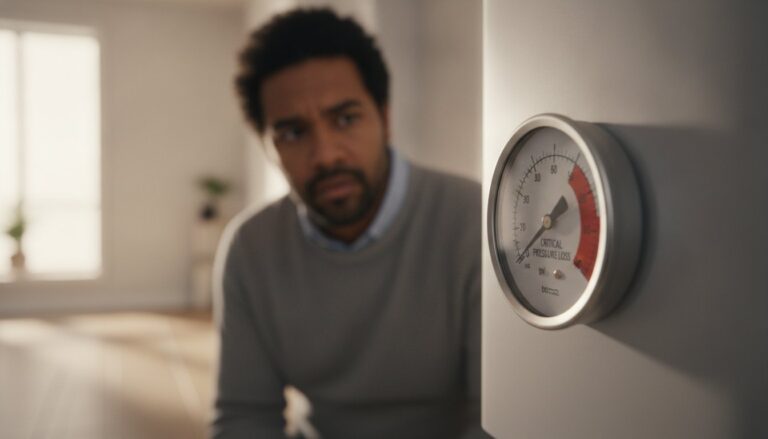
Maintenance is simple and involves dusting the exterior with a soft cloth to keep the air channels clear of debris. You should also book a professional service every 12 months to check the system pressure and the boiler’s health. This routine prevents air pockets from forming and ensures your home stays allergen-friendly by stopping dust circulation, which is a major health benefit for Melbourne residents with asthma.