How to Convince Your Partner We Need Hydronic Heating: The 2026 Melbourne Guide
Imagine sitting in your Melbourne living room on a July evening, wearing three layers of wool while your partner insists the heater has been on for an hour. You’re both staring at a gas bill that’s surged significantly, yet the hallway still feels like a fridge. If this sounds familiar, you’re likely wondering how to convince my partner we need hydronic heating without it turning into a debate about the household budget. It’s a common hurdle, but shifting the conversation from a luxury upgrade to a strategic home investment is the key to getting that long-awaited yes.
We understand that discussing a major home improvement can feel daunting, especially when upfront costs are the primary concern. You’re right to want a home that’s consistently warm and free from the dust circulation of old-fashioned ducts. This guide provides the exact roadmap you need to explain the long-term ROI, health benefits, and current 2026 Victorian energy incentives to your better half. We’ll explore how to frame the financial savings of modern heat pump technology and the hygiene advantages of silent, radiant warmth, ensuring your next winter is spent in total comfort rather than a puffer jacket.
Key Takeaways
- Understand the difference between drafty forced-air systems and the gentle, radiant warmth that makes Melbourne’s damp winters truly comfortable.
- Learn exactly how to convince my partner we need hydronic heating by focusing on the “no dust, no fans” mechanism that protects family members with asthma.
- Move beyond upfront price tags to see the long-term ROI of electric heat pumps and their role in the 2026 Victorian energy landscape.
- Follow a clear, 5-step roadmap to present your installation plan without causing household stress or worrying about messy renovations.
- Discover why a professional quote from a local specialist is the best way to turn a “maybe” into a confident “yes.”
Understanding the “Why”: The Lifestyle Benefits of Hydronic Heating
When you’re looking at how to convince my partner we need hydronic heating, the most powerful starting point isn’t a spreadsheet; it’s the feeling of the home. Most Melbourne houses rely on forced-air ducted systems that blast hot, dry air from the ceiling. This often creates the “cold feet, hot head” syndrome, where the air near your face is stifling while your toes are still freezing on the floorboards. Melbourne’s damp, biting winters require a more sophisticated solution. Hydronic heating changes the physics of your living space. By circulating heated water through pipes to radiator panels or underfloor coils, it provides a gentle, consistent warmth that mimics the sun. Understanding what hydronic heating is helps clarify why it feels so different from traditional methods. It doesn’t just heat the air; it warms the objects and people in the room, creating a thermal mass that stays cozy long after a traditional heater would have cycled off.
This premium lifestyle upgrade offers several immediate benefits for daily home enjoyment:
- Consistent temperatures from floor to ceiling without cold pockets.
- Elimination of the dry air that causes skin and eye irritation.
- A home that feels naturally warm rather than “mechanically heated.”
Radiant Heat vs. Forced Air: A Comfort Comparison
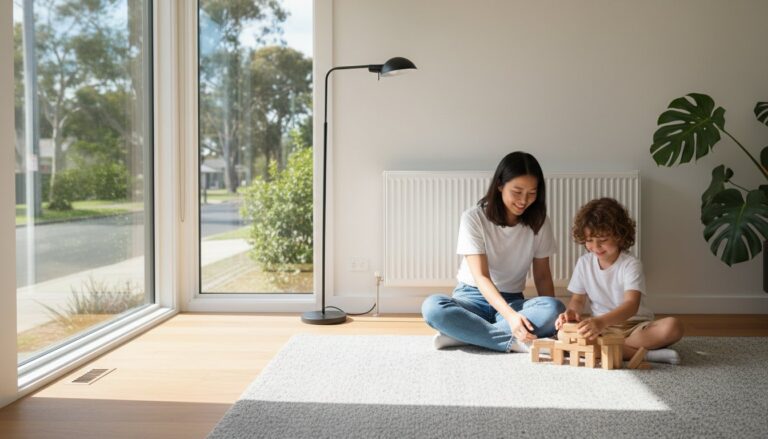
Traditional ducted heating is essentially a giant hair dryer for your house. It’s noisy, creates annoying drafts, and the heat disappears the moment the fan stops spinning. In contrast, radiant heat is absorbed directly by your body. For partners who feel the cold more acutely, this “sun-like” warmth is a revelation. In large, open-plan Melbourne homes with high ceilings, air-based heating often gets trapped at the top of the room where it’s useless. Hydronic systems ensure that the warmth stays where you actually live, from the floor up to shoulder height. It’s the difference between being “blown at” and being truly warm. This consistency is a massive lifestyle upgrade for any modern family.
The Silent Revolution in Home Comfort
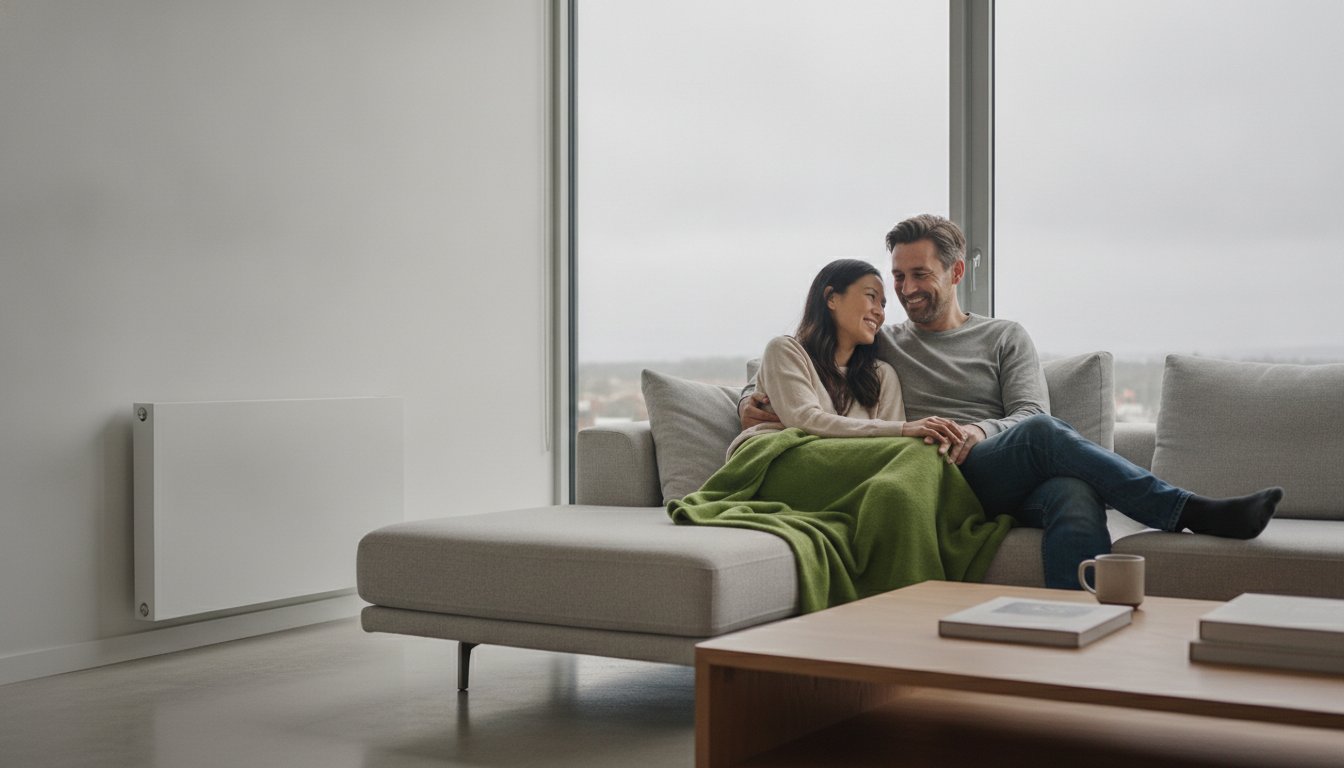
One of the most overlooked benefits is the absolute silence. If your current system involves a clattering fan or the whistling of air through vents, you know how disruptive that can be during a quiet movie night or while working from home. Hydronic systems operate with near-zero decibels. There are no fans to startle you awake at night and no mechanical hum echoing through the walls. This silence contributes to a premium lifestyle upgrade that turns your home into a sanctuary. When you’re explaining how to convince my partner we need hydronic heating, emphasize that this isn’t just about temperature. It’s about removing the background noise of modern life and creating a peaceful, healthy environment. It’s a sophisticated choice for those who value tranquility as much as warmth.
Addressing the Cost Objection: Explaining ROI and Energy Efficiency
The biggest hurdle in learning how to convince my partner we need hydronic heating is usually the initial quote. It’s easy to focus solely on the sticker price, but you should pivot the conversation toward the total cost of ownership over the next 20 years. Unlike standard split systems that often require replacement every decade, a well-engineered hydronic system is a generational investment. In the 2026 Melbourne market, where gas prices surged by up to 25% in recent years, the shift toward electric heat pumps has changed the financial math entirely. By using sophisticated zoning, you can heat only the rooms you’re actually using. This dramatically slashes waste compared to whole-house ducted systems that heat empty hallways and spare rooms.
Energy Efficiency in 2026: Heat Pumps and Beyond
Modern hydronic heat pumps operate with an incredible Coefficient of Performance (COP), often delivering four units of heat for every one unit of electricity consumed. This efficiency is amplified when paired with a home solar array, allowing you to run your heating for next to nothing during peak daylight hours. Because water retains heat much longer than air, the system doesn’t have to work as hard to maintain your desired temperature once reached. Beyond the numbers, these systems contribute to healthier indoor air quality by eliminating the need for gas combustion within the living space. For eligible Melbourne households, the Solar Victoria rebate currently offers up to $1,400 for high-efficiency heat pumps. It’s vital to act before the income threshold changes for these rebates, which is scheduled for June 30, 2026.
Increasing Your Melbourne Property Value
Hydronic heating is a high-demand feature for Melbourne premium real estate that signals quality and durability to potential buyers. Stylish hydronic radiator panels now serve as architectural features rather than just utility items, adding a modern European aesthetic to your interior design. Moving away from gas is also a vital “future-proofing” step in line with the Victorian Government’s Gas Substitution Roadmap. This transition ensures your home remains compliant with evolving energy standards while potentially saving you $400 a year compared to older gas systems. If you’re ready to see how these numbers stack up for your specific floor plan, requesting a professional assessment can provide the hard data your partner needs to see the long-term value.
Health, Hygiene, and Asthma: The Emotional Winning Argument
While financial ROI and general comfort are vital, the most persuasive part of learning how to convince my partner we need hydronic heating is often the immediate impact on family wellbeing. Traditional ducted systems are essentially giant circulatory networks for allergens. They pull air from the floor, heat it, and blast it back out, carrying dust mites, pet dander, and fine particulates into every corner of your home. If anyone in your household suffers from asthma or seasonal hay fever, this constant movement of air can make winter a season of sniffles and respiratory stress. Hydronic systems completely bypass this issue because they have no fans. They provide warmth through natural convection and radiation, meaning the air stays still and the dust stays on the ground where it can be easily cleaned.
As the U.S. Department of Energy explains, radiant heating is significantly more efficient and hygienic than forced-air systems because it eliminates the energy losses associated with ductwork and prevents the spread of airborne contaminants. This makes it the gold standard for a clean home environment. When you’re explaining how to convince my partner we need hydronic heating, frame it as a health-first investment. You aren’t just buying a heater; you’re creating a sanctuary where the air is as clean as it is warm. It’s a sophisticated choice for families who prioritize long-term wellness and hygiene over basic utility.
Asthma and Allergy Friendly Heating
Melbourne is often cited as a difficult city for allergy sufferers, and your heating system shouldn’t add to the burden. Because hydronic systems don’t rely on blowers, they don’t stir up the microscopic triggers that lead to nighttime coughing or itchy eyes. Many medical professionals recommend radiant heat for patients with severe respiratory sensitivities. It provides a stable, dust-free environment that allows for better sleep and easier breathing throughout the coldest months of the year. It’s the most responsible way to heat a modern family home.
Maintaining Natural Humidity Levels
Forced-air systems are notorious for stripping moisture from the air, leading to dry skin, chapped lips, and irritated sinuses. Hydronic heating maintains the natural humidity of your living space. This “wellness” aspect of breathing naturally humidified air is a significant lifestyle benefit that your partner will appreciate every day. Beyond personal health, stable humidity levels protect your home’s infrastructure. It prevents timber floorboards from shrinking and keeps indoor plants thriving. You’ll notice the difference in how you feel from the moment you wake up, free from the “parched” feeling that traditional heaters often cause.

Planning the Pitch: How to Present a Practical Installation Plan
Approaching the topic as a collaborative project rather than a demand makes all the difference. When you’re figuring out how to convince my partner we need hydronic heating, a structured plan helps remove the emotional friction. Start by identifying the specific rooms where your current system fails, then present a clear path forward. It’s about showing that you’ve done the homework on both the lifestyle benefits and the logistical reality of the installation.
Here is a 5-step approach to keep the conversation productive:
- Document your current winter energy bills and identify “cold zones” in the house.
- Share the health benefits regarding air quality we discussed in the previous sections.
- Look at local Melbourne installation portfolios to see how radiators blend with your decor.
- Propose a professional consultation to get a factual, non-biased assessment of your home.
- Discuss a staged installation if a whole-home approach feels like too much to take on at once.
Addressing the “mess” objection is vital. Many partners fear that installing a new system means months of dust and torn-up floorboards. Modern retrofitting techniques are incredibly clean and efficient. Professional teams specialize in minimal disruption, often completing radiator installations with no visible pipework and zero damage to your existing finishes. It’s a surgical process, not a destructive one.
Retrofitting vs. New Build Solutions
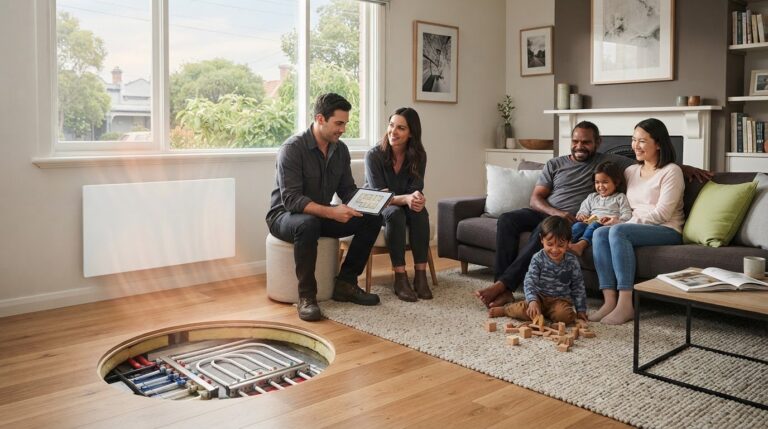
Whether you’re renovating a Victorian terrace or building from scratch, there’s a solution that fits your architecture. While many think underfloor heating is only for new slabs, modern dry-install systems allow for underfloor warmth in existing homes with timber floors. For multi-storey renovations, radiator panels are the go-to choice because they require very little structural change. Our installation teams prioritize a “leave no trace” policy, ensuring your home remains a liveable space throughout the process. This professional care often turns a skeptical partner into a satisfied advocate.
Visualizing the Design: Radiators and Towel Rails
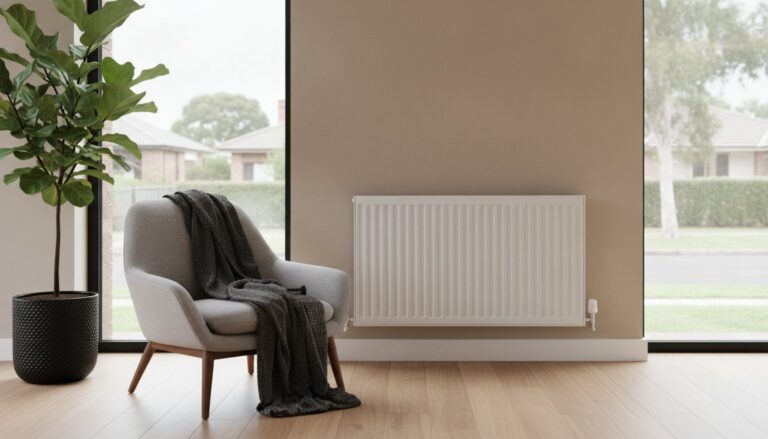
Hydronic heating isn’t just a utility; it’s a design choice. You can choose from ultra-slim modern panels or period-correct cast iron radiators that enhance a heritage home’s character. Don’t forget the small luxuries that often win people over, such as the dual-purpose hydronic towel rails that keep your bathroom warm and your towels dry. Seeing these features in person or through a portfolio helps transition the idea from a technical concept to a tangible lifestyle upgrade. If you want to see how these designs could work in your specific floor plan, book a professional design consultation to visualize the possibilities together.
Taking the Next Step: Professional Consultation in Melbourne
The final stage of learning how to convince my partner we need hydronic heating is often the most effective: letting an expert provide the facts. While you’ve likely shared the health and financial benefits, a professional quote replaces speculation with concrete data tailored to your specific home. A site visit is a low-pressure environment where both you and your partner can walk through your living spaces with a specialist who understands the nuances of local architecture. We look at your floor plan, window placement, and insulation levels to provide a tailored recommendation. This transparency is often what turns a hesitant “maybe” into a confident “yes,” as it removes the mystery surrounding the installation process and provides a clear timeline for the project.
A professional consultation answers the technical questions that often cause friction during home improvement discussions. Whether it’s the exact placement of radiator panels or the specifics of heat pump integration, having a specialist on-site provides immediate clarity. It shifts the conversation from a theoretical idea to a practical, achievable plan. Our goal is to ensure you feel supported and informed, allowing you to make a decision based on engineering precision rather than guesswork. It’s the most responsible way to approach a generational investment in your home’s comfort.
The Value of Expert Design
Every Melbourne home is unique, which is why a bespoke hydronic layout is essential for maximum efficiency. During a consultation, we calculate exact heat loads for your specific suburb, accounting for local climate factors and your home’s thermal performance. This ensures your system isn’t oversized and wasteful or undersized and ineffective. We encourage you to invite your partner to ask the “tough” technical questions directly to our experts. Whether they’re concerned about the 2026 energy market or the logistics of a retrofit, our 30+ years of local experience in Melbourne and Geelong allows us to provide authoritative, reassuring answers that build trust and confidence in the solution.
Melbourne Hydronic Heating: Your Local Partner
Choosing a family-owned business means you’re working with people who value long-term relationships and community reputation. We take a full-service approach that covers everything from the initial design and installation to long-term system servicing and maintenance. This continuity ensures your system operates at peak performance for decades to come. We pride ourselves on being more than just installers; we are consultants dedicated to improving your quality of life through superior home comfort. If you’re ready to move forward and transform your home environment, book a consultation to show your partner the possibilities and start your journey toward a warmer, healthier winter.
Start Your Journey Toward a Warmer, Healthier Melbourne Home
Choosing the right heating system is about more than just setting a thermostat. It’s a strategic investment in your family’s daily wellness and your property’s long-term market value. By focusing on the silent operation, the elimination of airborne allergens, and the impressive efficiency of modern electric heat pumps, you now have a clear roadmap for how to convince my partner we need hydronic heating. Melbourne’s unique climate requires a solution that handles damp winters without the high running costs or respiratory drawbacks associated with traditional forced-air systems.
Our team brings over 30 years of specialist experience to every Victorian home we service. We manage the entire process in-house, from the initial bespoke design to the final installation and supply. As specialists in energy-efficient electric heat pump conversions, we help you transition away from gas while maximizing your home’s thermal performance. Request a Professional Hydronic Heating Quote for Your Melbourne Home today to see the difference that radiant warmth makes. You’re just one consultation away from a cozy, dust-free sanctuary that your whole family will enjoy for decades.
Frequently Asked Questions
Is hydronic heating really that much better than ducted heating?
Yes, hydronic heating is superior because it uses radiant heat to warm objects and people directly rather than just blowing hot air. This eliminates the noisy fans, dry air, and annoying drafts associated with ducted systems. By providing a consistent temperature from the floor up, it creates a much more comfortable and tranquil living environment that feels natural rather than mechanical.
How much does it cost to run hydronic heating in Melbourne in 2026?
For a typical 3-bedroom Melbourne home, winter running costs for a heat-pump hydronic system are estimated between $260 and $420. This is significantly lower than gas-based hydronic systems, which can cost between $480 and $680 per season. These savings are driven by the high efficiency of modern electric heat pumps, which can save households approximately $400 a year compared to traditional gas heating.
Can we install hydronic heating in our existing home without moving out?
You can certainly retrofit hydronic heating into an existing home without the need to move out. Professional installation teams use non-invasive techniques to mount radiator panels and run pipework through subfloors or ceiling cavities with minimal disruption. This is a key point in how to convince my partner we need hydronic heating, as the process is far cleaner and faster than most people expect from a major home upgrade.
Does hydronic heating increase the resale value of a Melbourne house?
Hydronic heating is considered a premium feature that significantly boosts the appeal and resale value of Melbourne properties. It signals to potential buyers that the home is built to a high standard of comfort and energy efficiency. As Melbourne moves toward a 7-star NatHERS energy rating for all dwellings, having a high-efficiency electric heat pump system makes your property much more attractive in a competitive real estate market; for professional advice on how these features influence property appraisals, check out Elite Agents & Partners.
Is it true that hydronic heating is better for people with asthma?
It is absolutely true that hydronic heating is the gold standard for respiratory health. Because the system relies on radiant heat rather than forced air, it doesn’t circulate dust mites, pet dander, or pollen throughout your living spaces. This makes it an essential consideration for families managing asthma or hay fever, as it maintains a clean, stable indoor environment without the “dry air” irritation caused by ducted vents.
How long does a typical hydronic heating system last compared to a split system?
A high-quality hydronic system is a generational investment, typically lasting 20 to 25 years or more with proper maintenance. In contrast, standard split system air conditioners often require replacement every 10 to 12 years. While the initial setup is a bigger commitment, the long-term durability and lower replacement frequency make it a more sustainable and cost-effective choice for the life of your home.
Can we use a heat pump to power our hydronic radiators?
Modern electric heat pumps are specifically designed to power both underfloor coils and hydronic radiator panels. They are the most efficient way to run your system in 2026, especially when paired with a home solar array. When researching how to convince my partner we need hydronic heating, emphasize that heat pumps allow you to future-proof your home by moving away from gas while maintaining world-class warmth.
What happens if the system needs repairs or a power flush?
Hydronic systems are remarkably low maintenance, but they do occasionally require professional attention to maintain peak efficiency. A power flush is a specialized service that removes any sludge or mineral buildup from the pipework, ensuring the water circulates freely. If repairs are needed, our expert technicians can quickly diagnose and fix issues with boilers, heat pumps, or radiator valves to restore your home’s comfort without a total system overhaul.