
Cost Savings: Hydronic vs. Ducted Heating in Melbourne (2026 Guide)
Is your “budget-friendly” heating system actually the most expensive appliance in your Melbourne home? While many families stick with traditional forced air to avoid high upfront costs, they’re often trapped by soaring gas bills and constant repairs. When you calculate the total cost savings hydronic vs ducted heating, the math shifts dramatically in favor of radiant warmth. Between the 5% decrease in the Victorian Default Offer for electricity and generous VEU rebates of up to $5,530 for heat pump transitions, the financial landscape in 2026 has changed.
It’s frustrating to pay premium prices for uneven heat and noisy fans that aggravate winter allergies. You deserve a home that’s both a sanctuary and a smart investment. In this guide, we’ll explore how hydronic systems provide a healthier environment while increasing your property value by up to 5%. You’ll discover the truth about long-term maintenance, from the 25-year lifespan of radiator panels to the efficiency gains of modern heat pumps; we’ll show you exactly how your comfort can finally align with your budget.
Key Takeaways
- Learn why electric heat pumps achieve up to 400% efficiency, eliminating the “vampire” energy losses common in uninsulated roof ducting.
- Discover how a 25-year equipment lifespan provides superior long-term ROI compared to the frequent 10-year replacement cycle of ducted units.
- Evaluate the total cost savings hydronic vs ducted heating by factoring in lower quarterly bills, available government rebates, and the elimination of professional duct cleaning.
- Quantify the “invisible” financial benefits, including a potential 3-5% increase in your Melbourne property value and reduced health-related expenses from improved air quality.
- Understand why professional system design and local expertise are essential for ensuring your radiant heating operates at peak efficiency for decades.
The True Cost of Comfort: Hydronic vs. Ducted Heating Systems
When you’re comparing quotes for a new heating system, it’s easy to focus solely on the initial price tag. Traditional ducted heating is often the cheaper entry point because it relies on simple flexible ducting and a central furnace. However, savvy Melbourne homeowners are shifting their focus toward the Total Cost of Ownership (TCO). This concept looks beyond the installation day. It accounts for energy efficiency, maintenance, and how long the system will actually last in our local climate. It’s about the financial reality of your home over the next twenty years, not just the next twenty days.
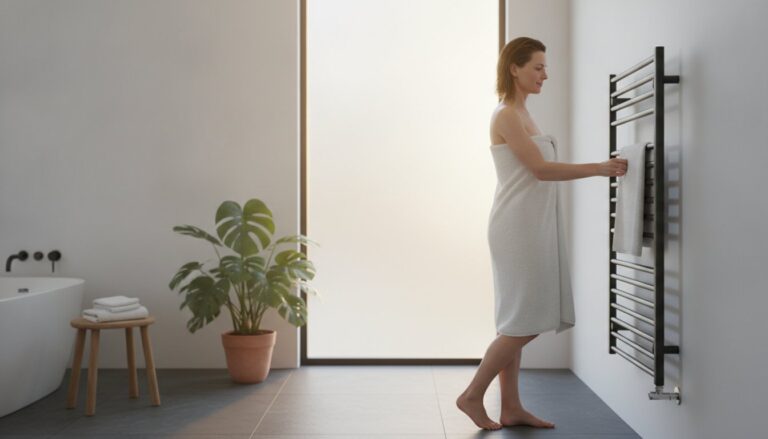
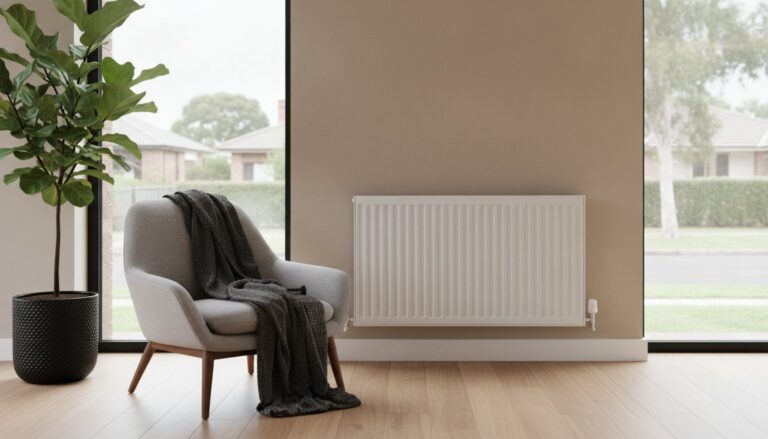
Hydronics operates on a completely different principle than forced air. Instead of blowing dry, dusty air through your home, it uses water to circulate heat through high-quality radiator panels or underfloor coils. While the complex pipework and premium components require a higher initial investment, the long-term cost savings hydronic vs ducted heating are substantial. In Melbourne’s notoriously damp and biting winters, radiant heat provides a level of penetration that forced air simply can’t match. It doesn’t just heat the air; it warms the structure of your home, creating a thermal mass that stays warm long after the system cycles off.
Radiant vs. Convection: Why the Physics Matters for Your Wallet
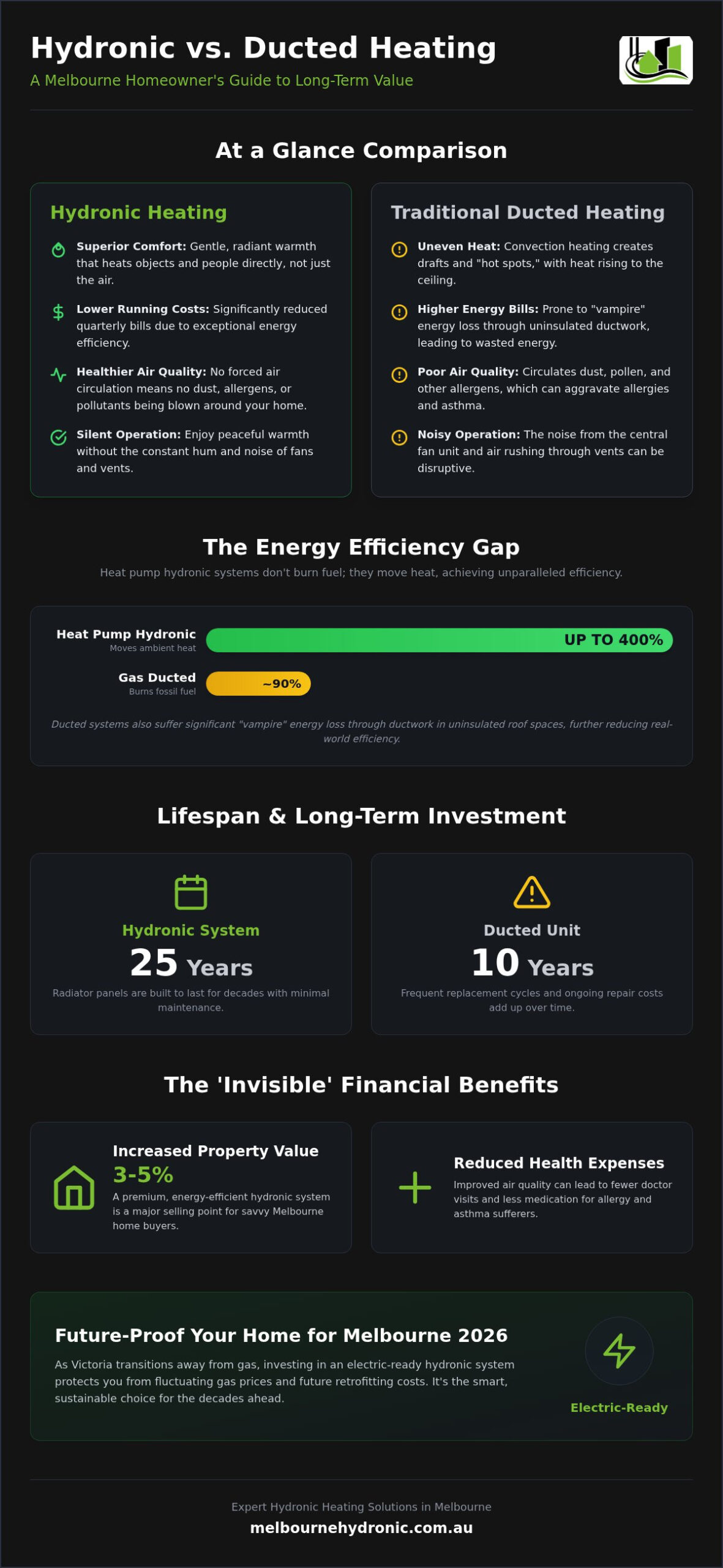
Ducted systems use convection to move heat. They warm the air and push it through vents. The problem is simple physics. Warm air rises. In a standard Melbourne home with high ceilings, the heat you’ve paid for ends up trapped at the top of the room where no one can feel it. This stratification forces your heater to work harder and run longer to keep the “living zone” comfortable. Radiant systems avoid this waste by warming objects and people directly. Because you feel the warmth immediately on your skin rather than waiting for the air to circulate, you can comfortably lower your thermostat by two degrees without losing an ounce of comfort.
The 2026 Melbourne Context: Gas Phase-outs and Electric Future
The regulatory environment in Victoria has reached a turning point. As the state moves away from gas, homeowners who stick with old-fashioned gas ducted units face the risk of “stranded assets” that become more expensive to run as gas prices fluctuate. Modern hydronic heating is the ideal partner for high-efficiency electric heat pumps. This technology allows you to transition away from fossil fuels while enjoying a system that outlasts traditional units by decades. Investing in an electric-ready hydronic system today ensures you won’t be hit with expensive retrofit costs when gas connections are eventually phased out across the suburbs.
Comparing Monthly Running Costs: Efficiency and Energy Bills
The financial difference between these two systems becomes most apparent when you look at your quarterly energy statement. While a modern gas ducted heater might achieve 90% efficiency, it’s still losing a significant portion of its energy before the air even reaches your living room. In contrast, electric heat pump hydronics can reach efficiencies of up to 400%. This massive gap creates the foundation for the long-term cost savings hydronic vs ducted heating offers to Melbourne households. With the Victorian Default Offer for electricity decreasing by an average of 5% from July 2026, the case for switching to electric powered warmth has never been stronger.
Ducted systems suffer from what we call “vampire” energy loss. Because the flexible ducting often runs through uninsulated roof cavities or underfloor spaces, the heat intended for your bedroom is stolen by the cold environment outside the pipes. Hydronic systems avoid this entirely. The water travels through insulated pipes directly to your radiator panels, ensuring that every cent you spend on energy is converted into comfort. For those with underfloor systems, the concrete slab acts as a thermal battery. It absorbs heat during the day and slowly releases it overnight, maintaining a stable temperature without the constant cycling of a noisy fan.
The ROI of Electric Heat Pumps in 2026
Modern heat pump hydronic heating is a game changer for Victorian utility bills. These units don’t create heat through combustion; instead, they extract ambient warmth from the outside air and transfer it into your home’s water circuit. The Coefficient of Performance (COP) is the critical metric here. In the context of Melbourne’s temperate climate, a COP of 4 means the system delivers four units of heat for every single unit of electricity consumed. When you pair this technology with a solar PV system, you can effectively heat your home for near zero costs during those crisp, sunny winter days.
Zoning and Precision Temperature Control
One of the biggest drains on a family budget is heating empty rooms. Standard ducted systems often struggle with precision zoning; this leads to massive energy waste. Hydronic systems solve this with Thermostatic Radiator Valves (TRVs). These allow you to set specific temperatures for each individual room, potentially saving up to 20% on your annual heating costs. There’s also a psychological advantage to radiant heat. Because it warms your body directly like the sun, most people feel perfectly comfortable with a thermostat set at 19°C, whereas they’d need a ducted system cranked to 22°C to achieve the same sensation of warmth.
If you want to see how these efficiencies apply to your specific floor plan, our team can help you design a system tailored to your home’s thermal needs.
Long-Term ROI: Maintenance, Repairs, and System Lifespan
Think of your heating system as a long-term member of your household. Most ducted units operate on a 10 to 12-year lifecycle; this means over a 30-year period, you’ll likely pay for 2.5 complete system replacements. Hydronic radiator panels, by contrast, frequently exceed a 25-year lifespan with minimal intervention. This durability is a cornerstone of the cost savings hydronic vs ducted heating provides. You aren’t just paying for warmth; you’re paying to avoid the stress and expense of a total system failure every decade.
Maintenance Requirements: Duct Cleaning vs. Power Flushing
Maintenance philosophies also differ significantly between these two technologies. Ducted systems require regular professional cleaning to remove dust, pet dander, and mould that naturally accumulate in the dark, warm environment of the vents. Without this, your indoor air quality suffers and the fan motor works harder, increasing your bills. A hydronic heating service in Melbourne is much more focused on the internal health of the system. Instead of worrying about airborne debris, we focus on water quality to ensure the heat transfer remains at peak efficiency year after year.
One of the most effective ways to protect your ROI is through power flushing. Over time, the water inside any sealed system can develop magnetite sludge; this is a black, metallic debris that can clog your boiler or heat pump. By performing a professional flush, you remove these contaminants and restore the system to its original factory performance. It’s a proactive step that prevents the high-cost emergency repairs often associated with neglected ducted units.
Mechanical Reliability: Why Fewer Moving Parts Save Money
The mechanical simplicity of hydronics is its greatest financial asset. Ducted systems rely on high-speed fans, complex belts, and heavy-duty motors that are prone to mechanical wear. These components are noisy and eventually fail under the strain of a Melbourne winter. Hydronic systems are almost entirely silent, utilizing simple, durable circulation pumps designed for decades of service. Because there are fewer moving parts to break, homeowners experience significantly fewer emergency call-outs and lower annual repair bills over the life of the unit.
The Invisible Savings: Health, Allergies, and Property Value
Financial benefits aren’t always found in a line item on your energy bill. Many Melbourne homeowners overlook the “hidden” expenses associated with traditional forced air systems, particularly the impact on health and long-term property equity. Ducted systems essentially act as high-powered wind tunnels, circulating dust, pet dander, and allergens through every room in your house. The true cost savings hydronic vs ducted heating include the reduction of these invisible burdens that slowly drain your household budget over time.
When you eliminate the “dust storm” effect, you reduce the need for professional duct cleaning, high-end air purifiers, and frequent filter replacements. More importantly, you mitigate the costs associated with health. Melbourne has some of the highest rates of hay fever and asthma in the world. Families transitioning to radiant warmth often report fewer GP visits and a significant drop in spending on antihistamines and asthma medications. These cumulative savings can total hundreds of dollars each year, making the choice for hydronics a sound medical and financial decision.
Asthma and Allergy Cost Mitigation
Forced air is a notorious trigger for respiratory issues because it dries out the indoor environment and keeps particulates suspended in the air. Radiant heat is silent and still; it doesn’t disturb the air you breathe. This leads to better sleep quality and higher daily productivity, which are invaluable for busy professionals. Because radiant heat warms objects rather than blowing dry air, it doesn’t strip moisture from your sinuses or skin during the night. You’ll wake up feeling refreshed rather than congested, avoiding the “winter fatigue” common in ducted homes.
Adding Equity to Your Melbourne Home
In the competitive Melbourne real estate market, certain features act as a signal of quality to prospective buyers. Modern hydronic heating panels are viewed as permanent architectural upgrades rather than mere appliances. In high-value areas like the Bayside and Eastern suburbs, premium buyers specifically look for hydronic systems as a standard of luxury and efficiency. Recent data suggests that a well-designed system can increase a property’s resale value by 3% to 5%.
The appeal of underfloor heating is a particular draw for modern renovations. It offers a clean, minimalist aesthetic that allows for complete freedom in interior design while providing a level of comfort that ducted systems can’t replicate. When you invest in this technology, you’re building immediate equity into your home. To ensure your investment yields the highest possible return, consult with our design team to create a system that adds both comfort and significant market value to your property.
Transitioning to Efficiency: The Melbourne Hydronic Approach
The “buy once, cry once” philosophy is particularly relevant when upgrading your home’s climate control. While the initial investment in a radiant system is higher than a standard gas heater, the true cost savings hydronic vs ducted heating are realised through meticulous technical design. A system that isn’t engineered for your specific floor plan will never reach its peak efficiency. We focus on precise pipe sizing and strategic radiator placement to ensure optimal water flow; this prevents the energy bottlenecks that common “off the shelf” installations suffer from.
A tailored approach accounts for the unique orientation of your Melbourne home. We look at your insulation levels, window placements, and even the thermal properties of your flooring. By matching the system output to your home’s actual heat loss, we ensure you aren’t paying to run a unit that’s larger than necessary. This design-led methodology is what separates a lifetime heating solution from a temporary fix that will need replacing in another ten years.
Retrofitting vs. New Builds in Melbourne
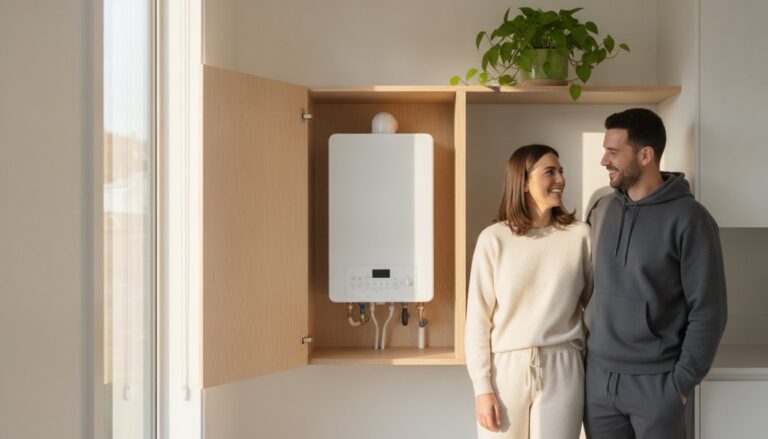
Many homeowners believe that hydronics are only for new architectural builds, but modern techniques allow us to integrate these systems into established Victorian homes with minimal disruption. If you’re currently using an aging gas unit, proactive boiler replacements can save you from the stress of a mid-winter breakdown. We also focus on professional system balancing during every retrofit. This involves adjusting the flow to every individual radiator so that the room furthest from the heat source is just as comfortable as the one closest to it.
Why Experience is Your Best Cost-Saving Tool
The recent push toward electrification in Victoria has brought a wave of inexperienced installers into the market. Avoiding these “cowboy” operators is essential for protecting your long-term budget. An undersized heat pump or poorly laid pipework will work twice as hard, skyrocket your bills, and fail prematurely. With over 30 years of local experience in Melbourne, we understand the specific demands our winters place on equipment. We don’t just sell hardware; we provide a calibrated environment tailored to your well-being.
The path to a more efficient, healthier home starts with a professional assessment of your current setup. By mapping out your thermal requirements now, you can secure the maximum available rebates and begin your transition toward a fossil-fuel-free future. If you’re ready to stop overpaying for forced air, book a consultation with our specialist team to design a system that delivers genuine, long-term financial returns.
Invest in a Warmer, Healthier Melbourne Future
Choosing the right heating system is one of the most significant decisions you’ll make for your family’s comfort and long-term financial well-being. By moving away from aging forced air units, you’re not just avoiding the “dust storm” effect; you’re securing a system designed to outlast traditional alternatives by decades. When you weigh the total cost savings hydronic vs ducted heating, the combination of 400% energy efficiency, reduced medical expenses, and a potential 5% boost in property value makes the decision clear. You’re investing in a permanent architectural upgrade that pays dividends in both health and equity.
As a family-owned and operated business with 30+ years of local experience in Victoria, we understand how to navigate the unique challenges of our winters. Our specialist design and installation team is ready to help you transition to a cleaner, more sustainable way of living. Don’t let another winter pass with soaring gas bills and dry air. Take the first step toward a premium home environment today and Request a Hydronic Heating Quote for Your Melbourne Home. We look forward to helping you create a sanctuary that stays perfectly warm for generations to come.
Frequently Asked Questions
Is hydronic heating more expensive to run than ducted gas heating?
Modern hydronic systems powered by electric heat pumps are significantly cheaper to run than traditional gas ducted systems. While gas furnaces lose a large portion of their energy through leaky or uninsulated roof ducts, radiant systems operate with efficiencies of up to 400%. This efficiency gap is the primary driver of the long-term cost savings hydronic vs ducted heating provides for Melbourne families.
How much can I actually save on my energy bills by switching to hydronics?
Homeowners typically see a reduction of up to 35% in their annual heating expenses after transitioning from older ducted units. Because radiant heat warms your body directly like the sun, you’ll feel perfectly comfortable at a lower thermostat setting. Since every degree you drop your thermostat can reduce consumption by approximately 10%, these small adjustments lead to massive quarterly savings.
Does hydronic heating increase the resale value of a home in Melbourne?
Installing a hydronic system can increase a Melbourne property’s resale value by 3% to 5% according to recent real estate data. Premium buyers in the Victorian market view radiant heat as a high-end architectural feature that signals quality. It demonstrates that the home is energy-efficient, well-maintained, and designed for a superior, allergen-free living environment.
How often does a hydronic system need servicing compared to ducted?
Both systems benefit from an annual professional service, but hydronic maintenance is much more focused on long-term equipment protection. Ducted units require frequent cleaning to remove dust and mould from vents to prevent health issues. Hydronic servicing focuses on water quality and system pressure, ensuring your heat pump or boiler reaches its full 25-year lifespan without unexpected breakdowns.
Can I use my existing solar panels to run a hydronic heat pump?
You can absolutely use your existing solar PV system to power an electric heat pump for your hydronic circuit. This combination allows you to leverage “free” energy during daylight hours to pre-heat your home or thermal slab. It’s the most effective strategy for achieving near-zero running costs throughout the Victorian winter, especially with the 2026 shift toward all-electric homes.
What happens if a hydronic pipe leaks compared to a duct failing?
Modern multilayer pipes are incredibly durable and rarely fail when installed by a specialist design team. If a leak does occur, it’s usually at an accessible connection point that’s straightforward to repair. In contrast, flexible ducts in roof cavities often tear or degrade silently; this leads to massive energy waste that can go unnoticed for years while your bills climb.
How long does it take for a hydronic system to pay for itself in Melbourne?
Most homeowners see a full return on investment within 7 to 10 years through lower energy bills and reduced maintenance. When you factor in the 25-year lifespan of the equipment, the cost savings hydronic vs ducted heating become even more clear. You’ll avoid the expensive cycle of replacing ducted units every decade while enjoying a healthier, more comfortable home.
Is it worth retrofitting hydronic heating into an older Melbourne weatherboard?
Retrofitting is highly recommended for older weatherboard homes where insulation is often inconsistent. Radiant heat is much more effective at penetrating cold drafts and warming the structural fabric of an older house than blowing air. It eliminates the uncomfortable “hot and cold spots” often found in weatherboards that rely on inefficient and noisy forced air systems.