
Common Hydronic Heating Problems: Troubleshooting & Solutions for 2026
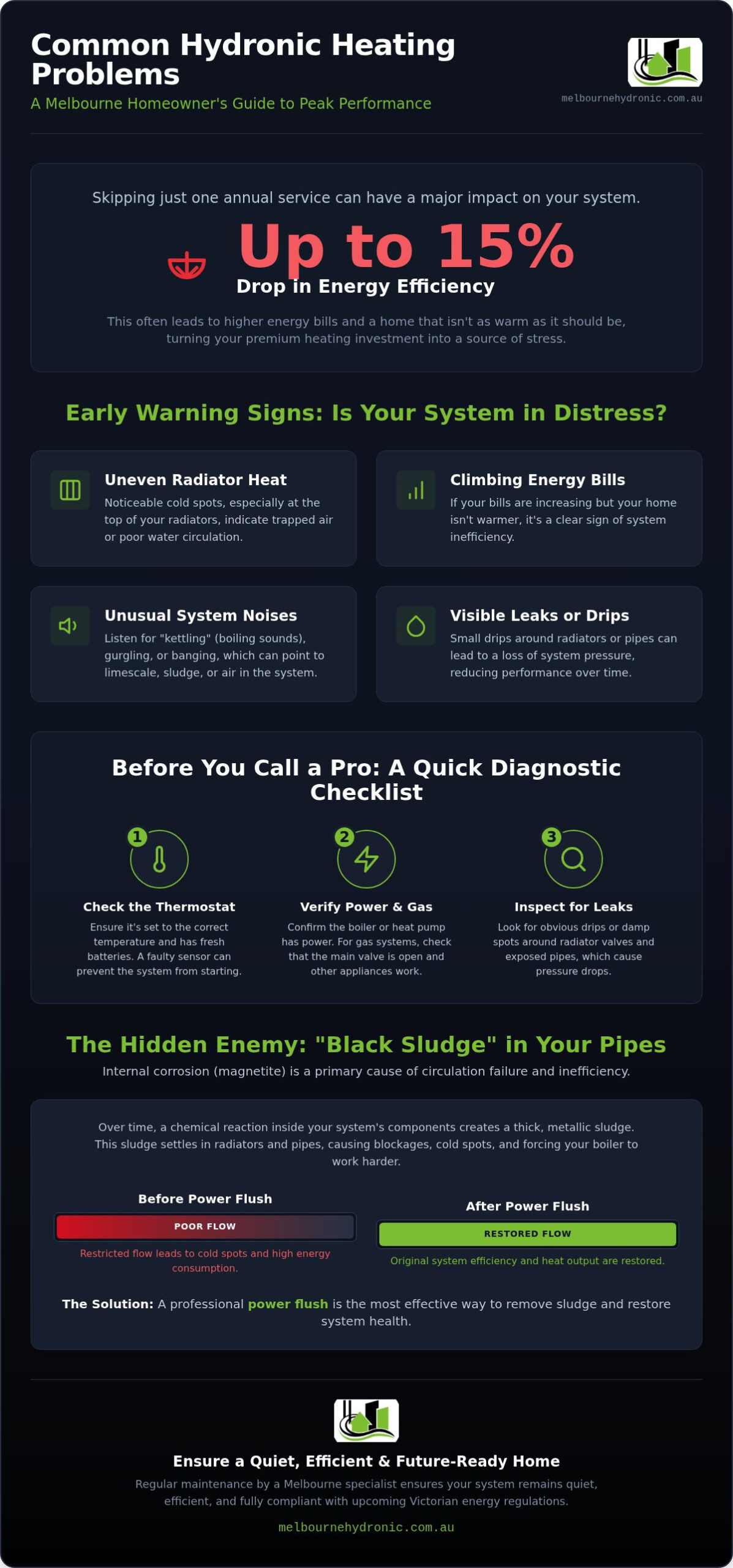
Did you know that skipping just one annual service can slash your system’s energy efficiency by up to 15%? It’s a frustrating reality for many Melbourne homeowners who find themselves shivering near cold spots on their radiators or lying awake listening to strange kettling noises from the boiler. You’ve invested in a premium heating solution for your family’s well-being, so it’s only natural to feel anxious when performance slips and energy bills start to climb. We understand that you want a home that feels like a sanctuary, not a source of technical stress.
This guide will help you identify the root causes of common hydronic heating problems and provide the clarity you need to restore your system’s peak performance. Whether you’re dealing with trapped air or mineral sludge buildup, we’ll show you how to achieve a quiet, high-performing home environment once again. We’ll also look at how modern solutions like power flushing and the upcoming 2027 shift toward electric heat pumps can safeguard your investment. By the end of this article, you’ll have a clear roadmap to a warmer, more cost-effective home that operates exactly as it should.
Key Takeaways
- Learn to recognise the early warning signs of system distress, from uneven radiator temperatures to rising energy bills, before they lead to major mechanical failures.
- Discover how to resolve common hydronic heating problems like trapped air and noisy pipes using simple troubleshooting techniques or professional system balancing.
- Understand why “black sludge” or magnetite is the hidden enemy of your pipes and how a professional power flush can restore original system flow and efficiency.
- Get a head start on troubleshooting your heat source, including decoding gas boiler error messages and managing airflow for modern electric heat pumps.
- See how regular maintenance by a Melbourne specialist ensures your system remains quiet, efficient, and fully compliant with upcoming Victorian energy regulations.
Why Your Hydronic System is Underperforming: Common Symptoms
Melbourne winters are notoriously unpredictable. One day it’s a mild afternoon; the next, a biting southerly wind demands your heating system works at maximum capacity. For many residents in our local area, hydronic heating is the gold standard for maintaining a healthy, warm environment. Unlike traditional forced-air systems, it provides a gentle, radiant warmth that doesn’t circulate dust or allergens. However, even the most robust systems can show signs of wear. Identifying common hydronic heating problems early can be the difference between a simple adjustment and a costly mid-winter breakdown.
Most issues stem from the fact that these systems are “closed-loop.” This means the same water circulates through your boiler, pipes, and radiators repeatedly. To function correctly, this loop requires a delicate balance of pressure, water quality, and flow. When this balance is disrupted, you’ll start to notice symptoms like uneven heat distribution, rising energy bills despite poor performance, or unsettling mechanical noises during the night. In older Victorian homes, aging boilers often struggle to keep up with sudden temperature drops, leading to increased stress on the entire installation and potentially revealing underlying faults.
The Health and Comfort Impact of Poor Heating
A well-functioning system is more than just a luxury; it’s a vital part of your home’s indoor air quality. By understanding what hydronic heating is, you can appreciate why it’s so beneficial for asthma and allergy sufferers. Radiant heat warms objects and people directly, rather than blowing dry, recycled air around the room. When your system underperforms, cold spots can develop. In Melbourne’s climate, these cold patches often lead to dampness and eventual mould growth, particularly in the corners of older masonry buildings. Maintaining your system ensures your air remains clean and your walls stay dry, protecting both your property and your family’s well-being.
Initial Diagnostic Checklist for Homeowners
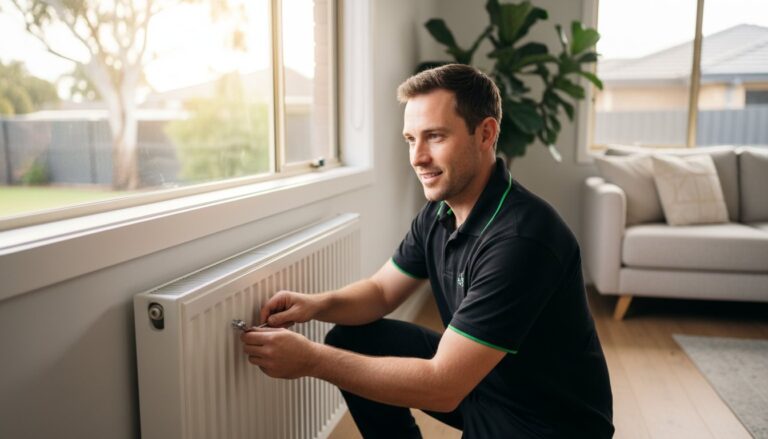
Before calling out a technician, there are a few simple checks you can perform to narrow down the issue. Many common hydronic heating problems are linked to external factors rather than internal mechanical failure. A quick inspection can often save you time and provide valuable information for your service provider.
- Check the Thermostat: Ensure it’s set to the correct temperature and that the batteries haven’t died. A faulty sensor or a simple power issue can prevent the entire system from firing up.
- Verify Power and Gas: Confirm that the boiler or heat pump has a steady power supply. If you have a gas boiler, check that your gas connection is active and other appliances are working.
- Inspect Visible Pipework: Walk through your home and look for obvious leaks or damp patches around radiator valves and exposed pipes. Small drips can lead to a significant drop in system pressure over time.
Radiator Cold Spots and Noisy Pipes: DIY Fixes vs. Professional Help
There is nothing quite as disappointing as touching your radiator on a frosty morning only to find the top half is ice cold. This is one of the most common hydronic heating problems encountered by Melbourne residents. In most cases, this issue is caused by trapped air. Because air is lighter than water, it rises to the highest points in your system, creating a pocket that prevents hot water from circulating through the entire panel. While this is often a simple fix, it can also indicate that your expansion tank is struggling to maintain the correct system pressure.
The expansion tank acts as a safety cushion. As water heats up, it expands; the tank manages this extra volume to keep pressure stable. If you find yourself bleeding your radiators every few weeks, it’s a sign that air is being drawn in through a leak or a failing component. While a quick DIY bleed can restore temporary comfort, persistent cold spots usually suggest a deeper hydraulic imbalance that requires a professional eye to resolve.
How to Bleed Your Hydronic Radiators Safely
If you’ve identified cold spots at the top of your panels, follow these steps to release the trapped air. It’s a straightforward process, but precision is key to avoiding a mess or a drop in system pressure.
- Step 1: Turn off your heating system and let the radiators cool completely. You don’t want to handle scalding water or have the pump active while you work.
- Step 2: Insert a radiator key into the bleed valve at the top of the panel. Turn it slowly anti-clockwise. You’ll hear a hissing sound as air escapes. Keep a cloth handy; as soon as a steady stream of water appears, close the valve.
- Step 3: Once all radiators are bled, check the pressure gauge on your boiler. It should typically sit between 1.0 and 1.5 bar. If it’s too low, you may need to top it up using the filling loop.
Identifying “Kettling” and Pipe Banging
Strange noises at night can be unsettling. If your system sounds like it’s full of rattling marbles, you’re likely experiencing “kettling.” This happens when mineral deposits or sludge build up on the heat exchanger, causing water to overheat and steam in small pockets. It’s a sign that your system is working twice as hard as it should. Similarly, loud banging or whistling often points to a pump speed that is set too high or pipes that haven’t been properly secured. These acoustic warnings are your system’s way of asking for a hydronic heating service melbourne. Addressing these sounds early prevents minor vibrations from turning into major mechanical failures. If a simple bleed doesn’t quiet the system, it’s time to let a specialist check your system’s internal health.
The Impact of Sludge and Corrosion: Why Power Flushing is Critical
While air pockets typically cause radiators to feel cold at the top, a radiator that is cold at the bottom indicates a far more stubborn issue. This is often the result of “black sludge,” technically known as magnetite. This heavy, black substance is a byproduct of internal corrosion that forms when oxygen in the system water reacts with the iron components of your radiators. Over time, these metallic particles settle at the lowest points of your heating circuit, creating a thick, mud-like barrier that prevents hot water from circulating through the bottom of your panels.
This sludge isn’t just a nuisance; it’s a mechanical threat to your entire installation. Magnetite is highly abrasive and magnetic, acting like liquid sandpaper on the internal seals of your pump and the delicate heat exchanger. In fact, many common hydronic heating problems are rooted in this internal contamination, which restricts flow and forces your pump to consume significantly more energy. For Melbourne homeowners with older Victorian properties, these narrow-gauge pipes are particularly susceptible to blockages that can eventually lead to a total system lockout.
What is Power Flushing and How Does It Work?
Power flushing is a specialised cleaning process designed to restore your system to its original efficiency. Unlike a standard drain-down, we connect a high-velocity, low-pressure pumping station to your heating circuit. This machine forces water and cleaning chemicals through the system at high speeds to dislodge and remove the accumulated magnetite. By clearing these internal obstructions, you can extend the life of your boiler or heat pump by up to 10 years. Once the system is clean, we add chemical inhibitors to the water. These inhibitors create a protective film on the internal surfaces, stopping oxygen from reacting with the metal and preventing the return of sludge.
Signs Your System Needs a Professional Flush
You don’t always need to wait for a total breakdown to know your system is struggling. If you notice any of the following, your system’s internal health is likely compromised and requires professional attention:
- Slow Warm-up Times: Radiators that take hours to reach a comfortable temperature often have restricted flow due to heavy sediment.
- Discoloured Water: If the water appears dark or cloudy when you bleed your radiators, it’s a clear sign of active internal corrosion.
- Frequent Lockouts: If your boiler or heat pump regularly shows error codes or requires a manual reset, internal debris may be causing the heat exchanger to overheat.
- Noisy Operation: Banging or “kettling” sounds usually suggest that sludge is trapped in the main heat source, creating localized boiling points.
Taking a proactive approach to water quality is the most effective way to protect your investment. A professional flush restores the quiet, efficient operation you expect from a premium hydronic system, ensuring your home remains a sanctuary of comfort.
Boiler and Heat Pump Faults: Troubleshooting the Heat Source
When your system refuses to fire up, the issue usually lies at the source. Most modern units are designed with sophisticated safety protocols that will trigger a lockout if they detect even a minor irregularity. One of the most common hydronic heating problems we see is a system that has shut down simply because the water pressure has dropped below a safe threshold. This protective measure prevents the heat exchanger from dry-firing, which could cause catastrophic damage. If your pressure gauge is sitting below 1.0 bar, the unit will likely refuse to start until the loop is topped up and the error code is cleared.
Error codes like F1 or E1 often flash on digital displays to indicate specific failures. While these codes vary by manufacturer, they typically point to issues with ignition, gas supply, or sensor failures. In older Victorian-era boilers, a flickering or extinguished pilot light is a frequent culprit. This is often caused by a worn thermocouple that can no longer detect the flame correctly, or a build-up of carbon that disrupts the ignition sequence. Understanding these signals helps you decide whether you need a simple reset or a professional repair.
Gas Boiler Specific Issues
For those still using gas, the thermocouple and the flue are critical components. A blocked flue can cause a boiler to shut down to prevent carbon monoxide from entering the home. More seriously, a leaking heat exchanger is often a terminal issue. If you notice water dripping from the bottom of your boiler casing, it’s a sign of internal corrosion that cannot be ignored. In many cases, once a heat exchanger fails in an older unit, the most financially sound path is to discuss a boiler replacement rather than investing in expensive, temporary repairs.
Electric Heat Pump Maintenance
As Melbourne moves toward electrification, heat pump hydronic heating has become the preferred choice for energy-conscious homeowners. However, these systems face unique challenges. On frosty Geelong mornings, you might see steam rising from your outdoor unit. This is a normal defrost cycle, not a fault. However, if the unit is physically encased in thick ice, it usually indicates a sensor failure or restricted airflow. Ensure your outdoor unit is clear of garden debris like fallen leaves or overgrown shrubs. These systems also require different flow rate settings than gas boilers, so if your heat pump is cycling on and off too frequently, it may need a professional calibration.
If your heat source is showing persistent error codes or failing to maintain temperature, it’s time for a professional diagnostic. Schedule a comprehensive system check-up with our experienced technicians today.
Restoring Efficiency: When to Call a Melbourne Specialist
While many common hydronic heating problems can be identified with a simple walk-through, resolving them requires a level of technical precision that goes beyond the typical homeowner’s toolkit. In Victoria, attempting DIY repairs on gas components or high-voltage electrical circuits isn’t just risky; it’s illegal. Beyond the safety implications, a professional service is a strategic investment in your home’s comfort. An emergency call-out during a July cold snap is always more stressful and expensive than a scheduled autumn health check. By catching minor pressure drops or slight valve leaks early, you prevent them from cascading into a total system failure when you need warmth the most.
Preparing your system for the autumn transition is the best way to ensure a seamless shift into the colder months. A well-maintained system operates quietly and consumes less energy, directly impacting your monthly running costs. It also provides the peace of mind that your premium heating investment is protected for the long term. When you rely on a specialist, you aren’t just paying for a repair; you’re buying the expertise required to keep a complex hydraulic circuit in perfect balance.
The 2026 Hydronic Maintenance Checklist
A professional service is far more than a visual inspection. Our technicians perform a series of technical checks designed to optimize every component of your system. This proactive approach ensures your home remains a sanctuary of warmth throughout the year.
- Water Chemistry Analysis: We test the pH levels of your system water. Water that is too acidic or alkaline accelerates the internal corrosion that leads to magnetite buildup.
- Valve and Seal Integrity: Every radiator valve and pipe connection is checked for microscopic leaks. These small drips are the primary cause of the pressure loss that leads to boiler lockouts.
- Thermostat Calibration: We verify that your control system is communicating accurately with the heat source. Even a slight calibration error can force your system to work harder than necessary, inflating your energy bills.
Expert Support Across Melbourne and Geelong
With a 30-year legacy serving Victorian families, we understand that no two homes are the same. A hydronic system in a drafty Victorian terrace in Carlton requires a different maintenance approach than a modern, underfloor setup in a Geelong coastal build. We tailor our solutions to the specific housing style and existing infrastructure of your property. Our team doesn’t just fix the immediate fault; we look at the entire system to ensure it meets the highest standards of hygiene and efficiency. This commitment to quality is why we remain the trusted choice for local residents who refuse to compromise on their indoor environment. Don’t wait for a total breakdown. Book your professional hydronic service today.
Securing Your Home’s Comfort for the Seasons Ahead
Managing common hydronic heating problems doesn’t have to be a source of stress. By understanding the importance of system pressure and the critical role of water quality, you can prevent minor issues from escalating into expensive failures. Whether it’s a simple radiator bleed or a comprehensive power flush to remove restrictive magnetite sludge, taking action now ensures your system operates at peak efficiency. A proactive approach not only lowers your running costs but also guarantees the quiet, healthy warmth your family relies on during a Melbourne winter.
Our team brings over 30 years of experience in Victoria to every home we visit. As a local family-owned business, we are specialists in both gas boilers and modern electric heat pumps, ensuring your heating investment is protected for years to come. Don’t let a small leak or a noisy pipe disrupt your peace of mind. Book Your Melbourne Hydronic Service & Repair Online today. You deserve a reliable, high-performing heating system that works perfectly when you need it most.
Frequently Asked Questions
Why is my hydronic heating radiator cold at the bottom?
Radiators that are cold at the bottom usually indicate a heavy buildup of magnetite sludge. This metallic debris is a byproduct of internal corrosion and settles at the lowest point of the panel, effectively blocking hot water from circulating through the entire surface. If left untreated, this sludge can travel to your boiler and cause significant mechanical damage to the pump and heat exchanger.
How often should I have my hydronic heating system serviced in Melbourne?
We recommend a professional service once every 12 months to ensure peak performance. Ideally, this should be performed in early autumn before the first cold snap hits. Regular maintenance identifies common hydronic heating problems like pressure loss or minor leaks before they turn into expensive emergency repairs, ensuring your home stays warm and your energy bills remain manageable throughout the Victorian winter.
Can I bleed my hydronic radiators myself?
Yes, you can safely bleed your radiators to remove trapped air from the top of the panels. It’s a straightforward DIY task that requires a radiator key and a cloth to catch any drips. However, if you find that air returns to the system frequently, it’s a sign that air is being drawn in through a leak or a faulty expansion tank, which requires a professional diagnostic.
What should the pressure be on my hydronic boiler?
Most residential hydronic systems should maintain a pressure between 1.0 and 1.5 bar when the system is cold. If the pressure gauge drops below 0.5 bar, modern boilers and heat pumps will often shut down automatically to prevent damage from dry-firing. You can usually top this up yourself using the filling loop, but persistent pressure loss indicates a leak that needs attention.
Why is my hydronic heating making a loud banging noise?
Loud banging, whistling, or “kettling” noises are often symptoms of trapped air or restricted flow due to sludge. When debris coats the heat exchanger, it causes water to overheat and create steam pockets, leading to these unsettling knocking sounds. These are common hydronic heating problems that signal your system is under significant mechanical stress and requires a professional flush or pump adjustment to restore quiet operation.
How much does it cost to fix a hydronic heating system in Melbourne?
The cost of repairs varies significantly depending on the nature of the fault and the specific parts required. While a simple sensor replacement is a minor fix, a failing heat exchanger or a seized pump is more involved. Investing in annual servicing is the most effective way to avoid these high costs, as it allows technicians to catch small issues before they become terminal failures.
Is it worth repairing an old gas boiler or should I switch to a heat pump?
If your gas boiler is over 15 years old or requires a major component replacement, upgrading to an electric heat pump is often the best choice. With Victoria’s Gas Substitution Roadmap and new regulations for rental properties starting in 2027, transitioning to electric provides a future-proof solution. Heat pumps offer much higher efficiency, which helps offset rising energy costs and reduces your home’s carbon footprint.
Will power flushing my system really lower my gas bills?
Yes, power flushing can significantly lower your running costs by restoring the system’s thermal efficiency. When sludge is removed, the water can circulate freely and transfer heat more effectively through your radiators. This means your home reaches the desired temperature much faster, allowing your boiler or heat pump to run for shorter periods and reducing the total energy consumed to keep you warm.