Hydronic Radiator Panel Cost: 2026 Melbourne Pricing & Installation Guide
Choosing a heating system for your Melbourne home isn’t just about staying warm anymore; it’s a strategic decision for your family’s respiratory health and your long-term financial stability. You’re likely tired of watching Victorian energy prices climb while an old ducted system circulates dust and allergens through every room. Understanding the hydronic radiator panel cost is the first step toward a silent, medical-grade heating environment that respects your budget.
We’ve spent over 30 years helping local families move away from inefficient, noisy systems toward the premium comfort of radiant heat. We promise to strip away the confusing technical jargon regarding kW outputs and panel types to give you a clear picture of the investment required. This guide explores the essential components of a modern system, from hardware selection to expert labor and the latest energy-efficient heat pumps. You’ll also discover how current Victorian government rebates can help you transition to a cleaner, more cost-effective way of living without the stress of hidden fees.
Key Takeaways
- Understand how hardware selection and the choice between standard or designer styles directly impact your total hydronic radiator panel cost.
- Learn why transitioning to an electric heat pump is becoming the preferred energy-efficient heat source for modern Melbourne homes.
- Discover the importance of professional power flushing to eliminate internal sludge and protect your system’s long-term efficiency.
- Explore how tailored installation approaches differ between Melbourne’s heritage homes and new builds in Geelong.
- Identify the essential maintenance steps required to ensure a silent, allergy-friendly environment for decades to come.
What Determines the Hydronic Radiator Panel Cost in 2026?
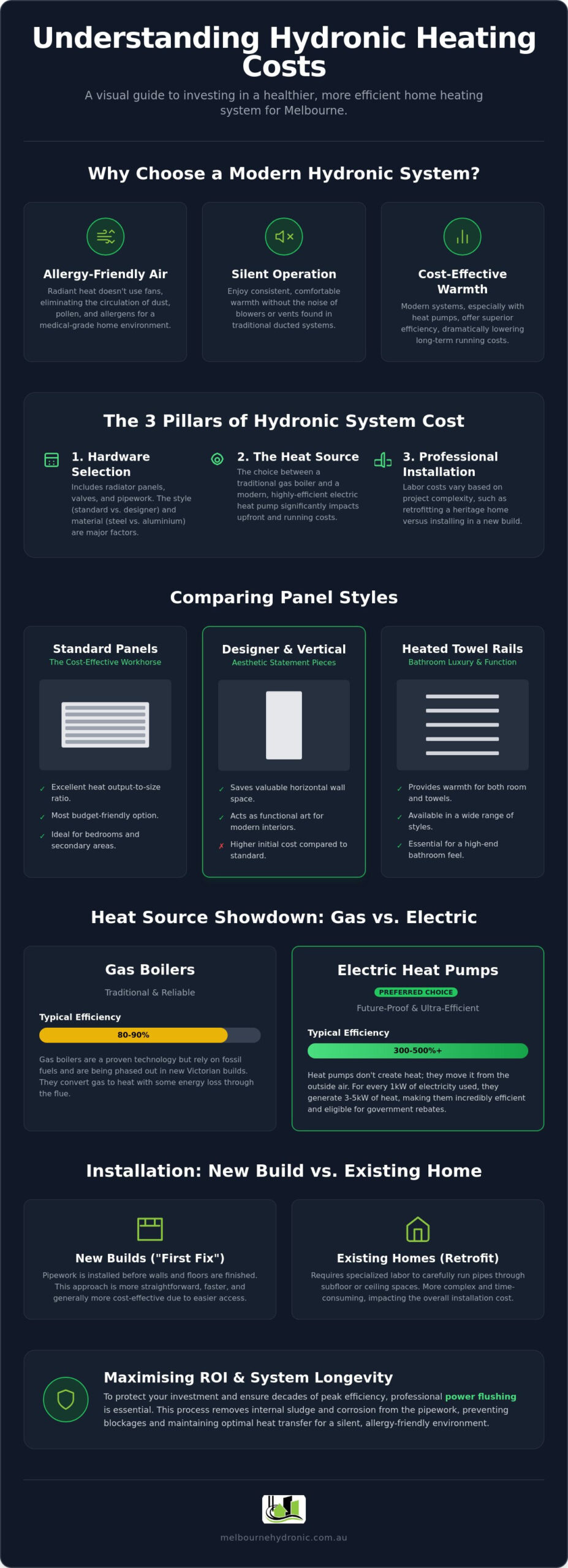
Calculating the hydronic radiator panel cost involves more than just selecting the steel units that sit on your walls. It’s a strategic investment in a system built on three distinct pillars: hardware selection, the heat source, and professional installation labor. In 2026, Victorian energy standards have shifted the landscape, pushing homeowners toward configurations that prioritize high efficiency and future-proof compatibility with electric heat pumps. Understanding what hydronic heating is helps clarify why these systems are a premium choice compared to standard forced-air alternatives.
Melbourne families often view this investment as a “health premium” for their homes. Because the system uses radiant heat rather than fans, it doesn’t circulate dust, pollen, or pet dander. This creates a silent, medical-grade environment that’s essential for those managing asthma or severe allergies. Whether your project falls under a “Standard” scope—typically a new build with easy access—or a “Custom” retrofit for a heritage home, the design phase is where we ensure your investment delivers the best possible return in comfort and air quality.
Breaking Down the Hardware Component
Hardware isn’t a one-size-fits-all category, and your choices here significantly influence the overall budget. We categorize panels by “Type,” which refers to the number of heating panels and convection fins. A Type 11 is slim and suitable for small ensuites, while a Type 33 provides massive heat output for large living areas but requires more depth and a higher price point. Other factors include:
- Radiator Valves: Choosing between basic manual valves or thermostatic radiator valves (TRVs) that allow for room-by-room temperature control.
- Material Selection: High-grade steel is the industry standard for durability, whereas aluminium panels offer faster heat-up times at a higher initial cost.
- Aesthetics: Standard ribbed panels are cost-effective, but designer flat-panel options serve as functional art for modern interiors.
System Design and Pipework Infrastructure
The infrastructure hidden behind your walls often dictates the complexity of your quote. A “First Fix” installation during a new build is generally more straightforward because we lay the pipework before the floors and walls are finished. Retrofitting an existing Melbourne home is a more specialized task. It requires navigating subfloor spaces or ceiling cavities, which increases the labor time required to ensure a seamless finish.
We typically choose between high-grade copper or flexible PEX piping. While copper is prized for its legendary lifespan, PEX can often reduce installation time in complex retrofits. The number of “zones” in your home also plays a role. More zones mean more manifolds and sophisticated controls, allowing you to heat only the rooms you’re using, which dramatically lowers your long-term running costs.
Comparing Panel Styles: Standard, Designer, and Towel Rails
Selecting the right hardware is where your aesthetic vision meets thermal reality. While the core technology remains consistent across different models, the specific style you choose will influence the overall hydronic radiator panel cost. Most Melbourne homeowners opt for a blend of standard panels in private spaces and designer pieces in communal areas. This approach balances the budget while ensuring the home feels cohesive and modern. Your choice isn’t just about looks; it’s about matching the thermal output to the specific heat loss of each room.
Standard Panel Radiators: The Workhorse of Melbourne Homes
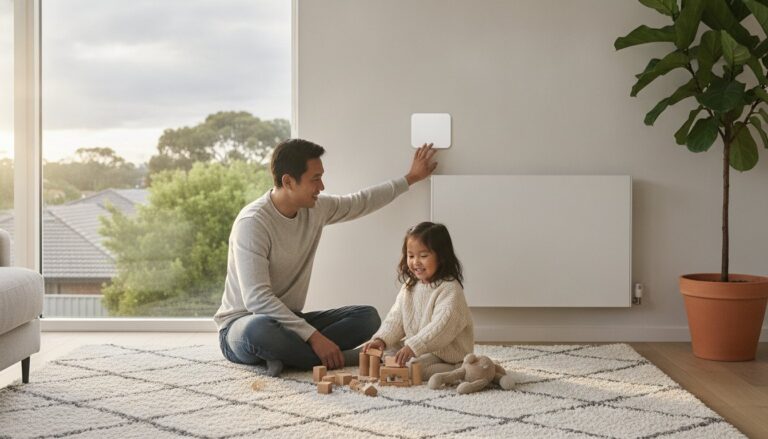
The classic ribbed steel panel remains the industry benchmark for a reason. These units provide an exceptional surface-area-to-output ratio, ensuring your rooms reach the desired temperature quickly and stay there. Brands like Brugman and DeLonghi have long been the gold standard in Victoria because they offer reliable performance and high-quality finishes that resist corrosion. In a typical three-bedroom home setup, these panels represent the most cost-efficient way to achieve whole-home comfort. Their predictable performance is backed by Victorian government running cost data, which highlights the significant efficiency gains of modern hydronic systems over traditional gas ducted heating.
Designer and Vertical Radiators
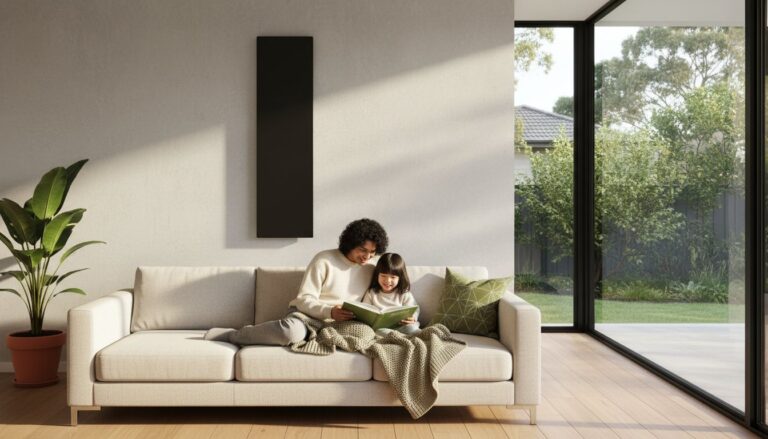
If wall space is at a premium or you want your heating to make a visual statement, designer radiators are the answer. Vertical panels are increasingly popular in modern Melbourne renovations because they utilize height rather than width, freeing up space for furniture or artwork. While these units come at a higher price point due to specialized manufacturing, they are a significant factor in the total hydronic radiator panel cost when selecting statement pieces for open-plan living areas. Custom colors and matte finishes are also available to match your interior palette, though these options typically extend lead times and add to the initial investment.
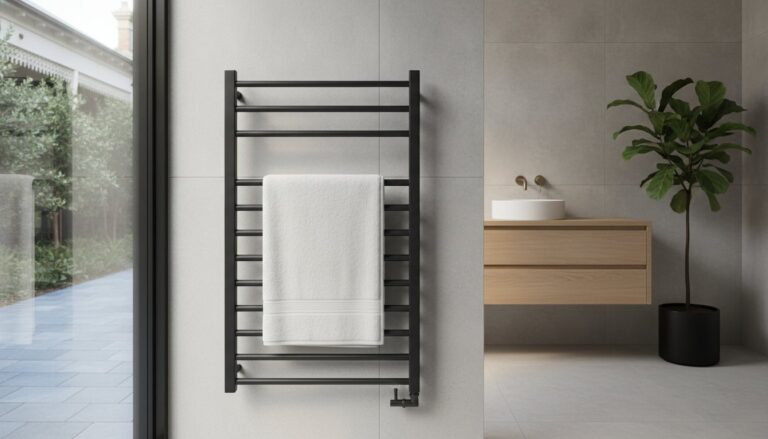
For specialized areas, we often integrate hydronic towel rails or trench heating. Towel rails bring a touch of luxury to bathrooms, providing both room warmth and dry, fluffy towels without the high running costs of electric alternatives. Trench heating is the ultimate premium solution for homes with floor-to-ceiling glass walls, as it sits flush with the floor to create a curtain of warmth without obstructing the view. If you’re unsure which configuration fits your floor plan, our team can help you design a system that balances style and performance perfectly.
The Heat Source: Gas Boilers vs. Electric Heat Pumps
Choosing your heat source is the most consequential decision in your journey toward a comfortable home. In Melbourne, the conversation has shifted dramatically from traditional gas boilers toward high-efficiency electric heat pumps. While the heat source itself is a separate component, its technical requirements directly influence the hydronic radiator panel cost. This is because different heat sources operate at different water temperatures, which dictates the size and number of panels your home requires to stay cozy during a Victorian winter.
For many families, the decision comes down to balancing the initial setup price with long-term energy bills. Gas has been the Victorian standard for decades, but as we move through 2026, the push for electrification is changing how we design these systems. Whether you’re looking for the rapid response of a boiler or the sustainable efficiency of a heat pump, the right choice depends on your property’s insulation and your long-term residency plans.
The Gas Boiler Replacement Market
Condensing gas boilers remain a reliable option, especially for those looking for a lower initial investment or a straightforward boiler replacement in an existing system. These modern units are far more efficient than the older models they replace. They capture heat from exhaust gases that would otherwise be wasted, reaching seasonal efficiencies of 90% or more. They’re particularly effective for retrofitting heritage homes in Melbourne’s inner suburbs, where space for large external heat pump units might be limited. If you’re looking to upgrade an existing system without a full overhaul, Choosing the Best Hydronic Boiler in Melbourne provides a detailed look at the latest condensing technology available today.
Investing in Electric Heat Pumps
Electric heat pumps represent the pinnacle of energy-efficient heating systems in the 2026 market. Although the upfront cost is higher than a gas boiler, the running costs are significantly lower, with many households saving around $400 a year on energy bills. It’s important to understand that heat pumps operate at lower water temperatures, typically between 45°C and 55°C. To compensate for this, we often specify larger radiator panels to achieve the same room warmth as a gas system. This technical requirement is a key factor in the total hydronic radiator panel cost.
To help offset the initial investment, the Victorian Government offers various incentives. The Solar Homes Program currently provides a rebate of up to $1,000 for eligible heat pump systems, provided your household income is below the $150,000 threshold. For those who prioritize sustainability, our Heat Pump Hydronic Heating Guide explains how these systems integrate with solar power to potentially bring your heating bills close to zero. We also see interest in hybrid systems, where a heat pump handles the bulk of the load and a small gas boiler provides a boost during Melbourne’s rare sub-zero mornings.
Installation Labor and Local Melbourne Factors
While the price of a single unit is easy to find, the total hydronic radiator panel cost is heavily influenced by the physical labor required to integrate it into your home. Melbourne’s housing stock is incredibly diverse. Installing a system in a modern, single-level brick veneer in Geelong is a very different task compared to retrofitting a double-storey Victorian terrace in Fitzroy. These local factors dictate the complexity of pipe routing and the time our licensed technicians spend on-site to ensure a perfect result.
One critical labor component we never overlook is the “Sludge Factor.” During installation, especially when replacing an old boiler, professional power flushing is essential. This process removes internal corrosion and debris that can block your new panels. Skipping this step is a false economy. It leads to cold spots and premature system failure. Once the pipework is in place, we spend significant time commissioning the system. This involves balancing each radiator to ensure heat is distributed evenly throughout the house, preventing some rooms from being too hot while others remain chilly.
Retrofitting Challenges in Melbourne Homes
Retrofitting requires a high level of surgical precision. In many of Melbourne’s inner-city heritage homes, we face strict building codes and structural limitations. Double-storey layouts often require creative pipe routing through wall cavities or floor joists, which increases both labor hours and material usage. With over 30 years of local experience, we understand how to navigate these Victorian building challenges without compromising the aesthetic integrity of your home. We treat your property with the respect it deserves, ensuring the installation is as clean and non-invasive as possible.
Smart Controls and Thermostats
Modern comfort relies on intelligent management. Adding smart WiFi thermostats allows you to control the temperature of every room from your phone, ensuring you never waste energy on empty spaces. We also recommend weather compensation sensors. These small devices monitor the outdoor temperature and adjust your system’s output accordingly, which can save between 10% and 15% on your annual energy bills. Integrating these controls with your home automation system is a seamless process that enhances the premium feel of your environment. If you want to see how these factors apply to your specific property, you can request a detailed installation quote from our expert team.
Maximising ROI: Maintenance and System Longevity
Investing in your home’s comfort is a long-term play. While the upfront hydronic radiator panel cost is higher than a standard split system, the return on investment is measured in decades rather than just years. A well-engineered system easily lasts 25 years or more when it’s looked after properly. This legendary longevity makes it a highly sought-after feature in the Melbourne real estate market. Potential buyers increasingly prioritize premium, healthy living environments, often seeing a hydronic-equipped home as a superior asset that justifies a higher property valuation.
Neglect is the only real enemy of these systems. Internal corrosion can lead to the hidden cost of major repairs if you don’t keep the system’s water chemistry balanced. Professional power flushing isn’t just a step for new installations; it’s a vital protective measure that keeps the internal surfaces of your radiator panels pristine. By removing any buildup of magnetite or debris, you ensure the system operates at peak efficiency. This keeps your energy bills at their lowest possible point throughout the system’s entire life cycle. It’s a simple case of a small maintenance spend today preventing a large repair bill tomorrow.
Annual Servicing Requirements
Annual servicing is significantly cheaper and less stressful than dealing with emergency repairs mid-winter. During a standard visit, our technicians check the system pressure and top up corrosion inhibitors to protect the metal components from the inside out. We also perform several routine checks to ensure peak performance:
- Bleeding Radiators: Removing trapped air that causes cold spots and reduces efficiency.
- Valve Inspection: Checking that thermostatic radiator valves (TRVs) are responsive and not seized.
- Boiler or Heat Pump Health: Verifying the heat source is firing correctly and safely.
This proactive approach ensures your home is ready for the first cold snap of the Victorian winter. You can find more detail in our Hydronic Heating Service Melbourne guide.
The ROI of Health and Comfort
Beyond the financial figures, there’s a profound ROI in your family’s well-being. For households with allergy or asthma sufferers, the value of a dust-free home is difficult to quantify but impossible to ignore. Traditional ducted systems act as a delivery mechanism for allergens and pet dander, but hydronic panels provide gentle, radiant warmth without moving a single speck of dust. The silent operation is equally transformative. There’s no mechanical hum or rattling vents, just a consistent, premium climate that supports better sleep and a more peaceful home life. This lifestyle upgrade is a core part of the value proposition when considering the total hydronic radiator panel cost. Ready to transform your home with a system built to last? Get a Quote from Melbourne Hydronic Heating and let our 30 years of local expertise guide your investment.
Secure Your Home’s Future with Radiant Warmth
Transitioning to hydronic heating is a strategic move that pays dividends in both health and property value. By now, you understand that the hydronic radiator panel cost reflects a complete ecosystem of comfort, from the high-efficiency electric heat pump to the silent, dust-free panels on your walls. Selecting the right combination of hardware and smart controls ensures your system remains cost-effective as Victorian energy standards evolve. This investment eliminates the respiratory irritants found in traditional systems, creating a true sanctuary for your family.
Our family-owned and operated team brings over 30 years of local industry experience to every project. We specialize in designing low-allergen, energy-efficient solutions tailored specifically to the unique climate challenges of Melbourne and Geelong. Whether you’re retrofitting a heritage terrace or planning a new build, we provide the technical precision and personal care your environment deserves. Request a Professional Hydronic Heating Quote for Your Melbourne Home and take the first step toward a more comfortable, sustainable lifestyle. we look forward to helping you create the perfect climate for your home.
Frequently Asked Questions
How much does it cost to install hydronic heating in a 3-bedroom Melbourne home?
The total investment for a 3-bedroom home depends on the number of panels required, the choice between a gas boiler or an electric heat pump, and the complexity of the pipework. Every property is unique, so we consider factors like ceiling height and insulation levels to determine the necessary thermal output. While the initial hydronic radiator panel cost is higher than traditional forced-air systems, the long-term energy savings and health benefits provide a superior return on investment for Victorian families.
Is hydronic heating more expensive to run than split system air conditioning in 2026?
Modern hydronic systems powered by electric heat pumps are incredibly efficient and often offer lower annual running costs than many older split systems. Switching from a traditional gas source to an efficient electric heat pump can save Melbourne households approximately $400 a year on energy bills. While split systems provide rapid cooling, hydronic heating offers a consistent, radiant warmth that doesn’t rely on fans, making it a more cost-effective choice for whole-home comfort during the winter months.
Can I install hydronic radiator panels in an existing house (retrofit)?
Yes, we specialize in retrofitting systems into existing Melbourne homes, including heritage properties and double-storey layouts. Our team uses specialized techniques to route pipework through subfloor spaces or wall cavities to minimize disruption to your living areas. While retrofitting involves more labor than a new build, it is a proven way to upgrade the air quality and comfort of an older house without a major structural overhaul.
How long does the installation of a full hydronic radiator system typically take?
A standard installation for a residential home usually takes between three and seven working days. This timeframe covers the installation of the heat source, the mounting of the radiator panels, and the necessary pipework and commissioning. Complex retrofits in larger or multi-storey homes may take slightly longer to ensure every component is perfectly balanced and integrated with your home’s architecture.
Are there government rebates available for hydronic heat pumps in Victoria?
Eligible Melbourne homeowners can access a rebate of up to $1,000 for heat pump systems through the Solar Homes Program. To qualify, your combined household taxable income must be less than $150,000 per year, and the property must be valued at less than $3 million. These incentives are designed to help families transition toward energy-efficient electric heating while reducing the total hydronic radiator panel cost of the upgrade.
Do hydronic radiators need to be turned off when not in use?
It is generally more efficient to use smart thermostats and zoning rather than turning the system completely off and on. Hydronic systems work by heating the thermal mass of the home, which takes longer to warm up than air-based systems. By maintaining a steady “setback” temperature or using smart scheduling, you avoid the high energy consumption required to heat a cold house from scratch every evening.
What is the price difference between standard and designer radiator panels?
Designer radiator panels are positioned as a premium lifestyle choice and carry a higher price point than standard ribbed steel models. This difference is due to the use of specialized materials, unique vertical configurations, and custom finishes that allow the radiators to function as architectural features. While standard panels offer the best cost-to-output ratio for bedrooms, many homeowners choose to invest in designer pieces for their main open-plan living areas.
Why is my hydronic radiator quote higher than a ducted gas heating quote?
The higher upfront cost reflects the specialized hardware, high-grade copper or PEX pipework, and the intensive labor required for a water-based system. Unlike ducted gas, which uses cheap flexible ducting and simple vents, hydronic heating is a medical-grade, allergy-friendly solution built to last 25 years or more. You’re investing in a system that offers 30% to 50% lower running costs and a significantly higher level of silent, radiant comfort.