Best Temperature to Set Hydronic Heating: Melbourne’s Efficiency Guide
What if cranking up your thermostat is actually the reason your Melbourne home feels drafty and your energy bills are skyrocketing? It’s a common frustration for many Victorian families who find themselves searching for the best temperature to set hydronic heating, only to end up with uneven warmth and a staggering invoice. You’ve likely felt the confusion of trying to balance your boiler’s water temperature with the air temperature on the wall while worrying about the rising costs of keeping your home comfortable.
We believe your home should be a sanctuary of health and wellbeing. This guide will help you master your system’s settings, ensuring you enjoy a cosy environment without the “bill shock” that often follows a Victorian winter. We’ll explore how to calibrate your Hydronic Radiator Panels for Melbourne’s specific climate, the technical secrets behind condensing boiler efficiency, and a set-and-forget strategy that can reduce your running costs by up to 15%. You’ll learn exactly how to sync your thermostat with your system to create a stable, premium living space that’s safe for family members with allergies or asthma.
Key Takeaways
- Understand the critical difference between ambient thermostat settings and boiler flow temperatures to eliminate confusion and energy waste.
- Learn the specific flow temperature ranges required for Hydronic Radiator Panels versus underfloor systems to maximise your home’s thermal mass.
- Discover the best temperature to set hydronic heating during Melbourne’s volatile winter months to maintain a perfect balance of comfort and economy.
- Implement smart efficiency hacks like zoning and Thermostatic Radiator Valves (TRVs) to reduce energy consumption without sacrificing warmth.
- Identify when cold spots or constant cycling indicate that your system requires professional calibration from a local specialist.
Understanding Hydronic Temperatures: Air vs. Water
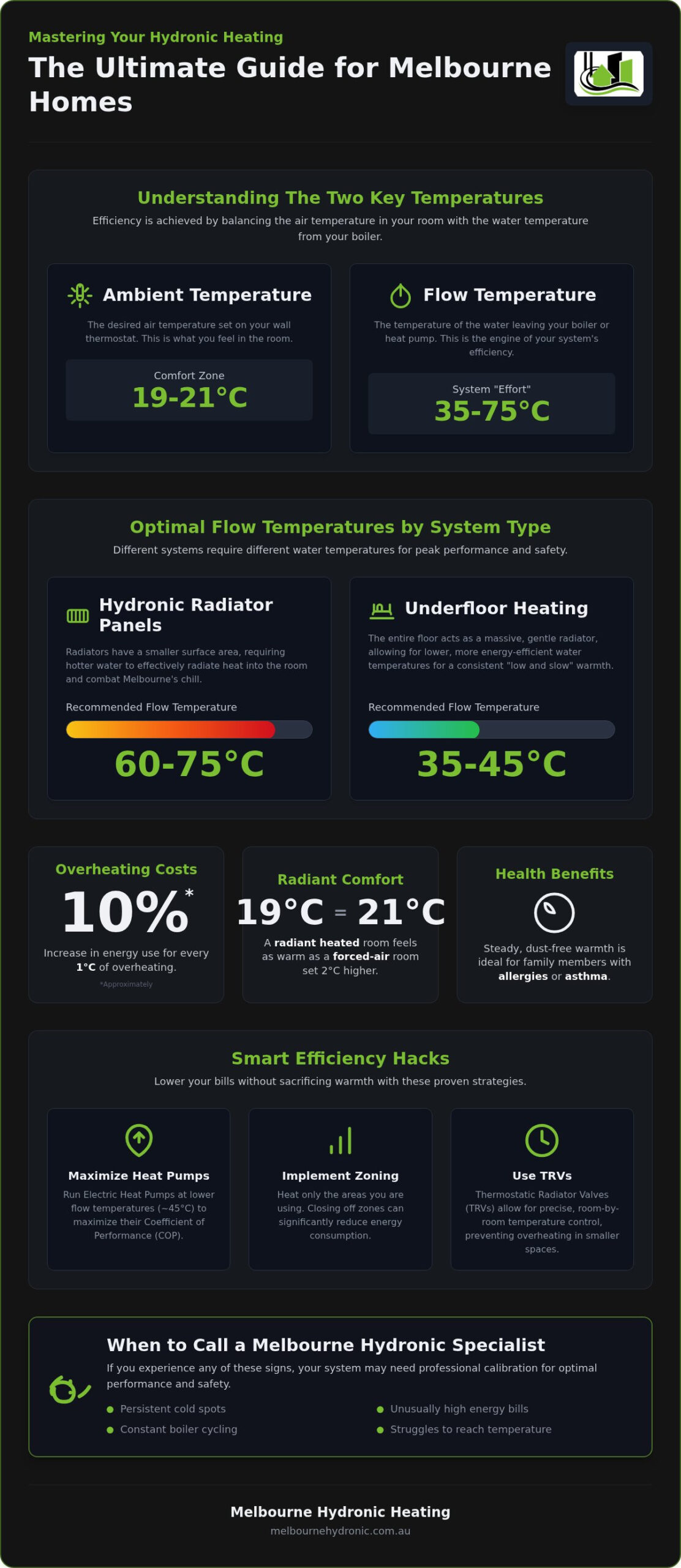
To master your home’s climate, you need to look beyond the number on your wall thermostat. Most homeowners focus exclusively on ambient temperature, which is the desired air temperature you program into your controller. However, the real efficiency happens at the source with flow temperature. This is the specific temperature of the water leaving your Gas Boiler or Electric Heat Pump to circulate through your home.
Finding the best temperature to set hydronic heating starts with balancing these two figures to match Melbourne’s unique thermal challenges. Think of flow temperature as the “effort” your system exerts. If the water is too cool, your rooms will take hours to reach comfort levels. If it’s too hot, you’re overworking the components and burning excess fuel. The relationship between the two dictates the speed of the warmth and the overall feel of your environment.
Why Setting the Right Temperature Matters in Melbourne
Melbourne’s weather is notoriously fickle. Precision matters because a single degree of overheating can increase your energy consumption by approximately 10%. When you discover the best temperature to set hydronic heating for your specific home layout, you stop paying for heat you don’t need. Maintaining a stable, moderate temperature also provides significant health benefits. Unlike ducted systems that blow dry air and allergens around, hydronic systems provide a steady, dust-free warmth that’s ideal for asthma and allergy sufferers. Proper calibration also protects your investment. Constantly running a boiler at maximum capacity leads to premature wear; a balanced system ensures longevity and consistent performance.
Radiant Heat vs. Convection: The Comfort Factor
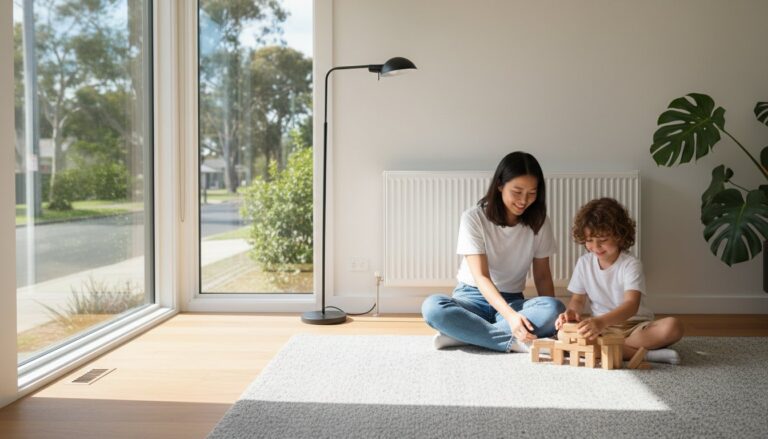
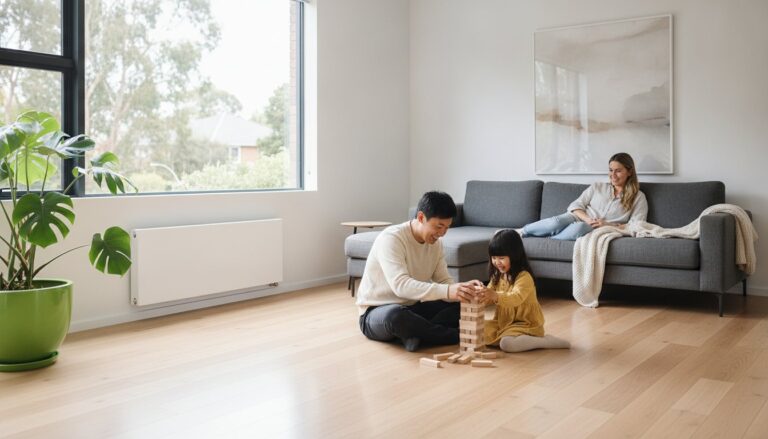
Hydronic systems operate on the principle of radiant heat. Instead of just warming the air, they warm the objects and people in the room. This is why Underfloor heating systems and Hydronic Radiator Panels feel so different from standard air conditioning. Because your body absorbs this radiant energy directly, a room set to 19°C often feels as comfortable as a 21°C room heated by forced air. This allows you to set lower ambient targets without losing that premium sense of wellbeing. Additionally, when a system is correctly calibrated, radiator panels remain at a temperature that is effective for heating yet safe for children and pets to be near. It’s a cleaner, more natural way to stay warm.
The Best Temperature Settings for Radiators and Underfloor Systems
Finding the best temperature to set hydronic heating requires understanding that different emitters have different thermal requirements. Unlike a standard air conditioner, a hydronic system relies on the physical properties of water to move energy. If you’re using Hydronic Radiator Panels, your water flow temperature generally needs to be higher, typically between 60°C and 75°C. These panels have a smaller surface area compared to a floor, so they must be hotter to effectively radiate warmth into a room and counteract Melbourne’s winter chill.
In contrast, Hydronic Underfloor Heating operates on a “low and slow” principle. Because the entire floor acts as a giant radiator, the water flow temperature only needs to reach 35°C to 45°C. This lower range is safer for floor finishes and prevents the surface from feeling uncomfortably hot underfoot. According to the Australian Government’s YourHome guide, maintaining these lower, consistent temperatures is far more efficient than allowing a home to cool completely and then forcing the system to work at maximum capacity to recover.
Water Flow Temperature Targets
Your choice of heat source dictates your efficiency ceiling. Gas Boilers are highly capable of reaching the 75°C needed for older, less insulated Melbourne cottages. However, if you’ve transitioned to Electric Heat Pumps, lower flow temperatures are your best friend. Heat pumps are most efficient when the water temperature is around 45°C, as this maximises their Coefficient of Performance (COP). Most modern interfaces allow you to adjust these settings with a few clicks on the main unit; lowering your flow temperature by just 5°C during milder weeks can lead to noticeable energy savings. If you’re unsure how to navigate these settings, a professional system calibration can ensure your boiler and thermostat are working in perfect harmony.
Thermostat Set Points for Maximum Comfort
While the water does the heavy lifting, your wall thermostat manages your daily comfort. For living areas, the 20°C rule is the gold standard. It provides a premium feel of warmth without the dry, stuffy atmosphere created by overheating. Bedrooms should be set lower, ideally between 16°C and 18°C, which supports better sleep hygiene and reduces overnight energy waste. Thermal equilibrium is the state where the home loses heat at the same rate the system provides it. Achieving this balance means your system won’t need to “cycle” on and off constantly, which protects the lifespan of your components and keeps your indoor climate perfectly stable.
Seasonal Adjustments for Melbourne’s Unpredictable Climate
Melbourne’s “four seasons in one day” isn’t just a local cliché; it’s a technical challenge for your heating system. A sudden 15-degree drop in external temperature forces your boiler or heat pump to react quickly. To maintain efficiency, the best temperature to set hydronic heating changes as we move from the biting July frosts into the milder spring afternoons. Many homeowners make the mistake of leaving their system on a high-winter setting year-round, which leads to overheating and wasted energy during the shoulder months.
Modern systems often include outdoor reset sensors to handle this automatically. These sensors monitor the external air and communicate with your Gas Boiler or Electric Heat Pump to lower the water flow temperature when it’s warmer outside. This prevents “overshooting” your target and ensures your home stays at a steady, premium comfort level without you needing to touch the dial. It’s a proactive way to manage your environment that aligns with a modern, energy-conscious lifestyle. To learn more about selecting efficient heating solutions for larger properties, you can discover Commodus and their technical guides on heat pump capacity.
During a Victorian cold snap, consistency is your greatest ally. We recommend using a “setback” strategy rather than turning the system off entirely overnight. By dropping your thermostat to 16°C while you sleep, you prevent the home’s core temperature from crashing. This avoids the massive energy spike required to warm the house back up from a “cold start” in the morning. For those with Hydronic Underfloor Heating, the thermal mass of your concrete slab acts as a heat battery; it stores energy and releases it slowly, keeping your living spaces stable even when the wind picks up off Port Phillip Bay.
Autumn and Spring: The Efficiency Opportunity
The shoulder seasons offer the greatest chance to lower your utility bills. When overnight lows stay above 10°C, you can often reduce your boiler’s flow temperature. This slower, gentler heat is enough to maintain comfort without the intensity needed in mid-winter. It’s also the perfect time to utilise zoning. By only heating active areas like the lounge or home office, you reduce the workload on your system. Before the first major frost hits, it’s wise to perform a quick check of your Hydronic Radiator Panels to ensure there’s no trapped air, allowing you to find the best temperature to set hydronic heating for the peak months ahead. This simple preparation ensures your system operates with the technical precision we’ve spent 30 years perfecting for Melbourne families.
Efficiency Hacks: How to Lower Bills Without Losing Warmth
Achieving a premium level of comfort doesn’t require a massive energy budget. While finding the best temperature to set hydronic heating is foundational, your home’s infrastructure plays a vital role in retaining that warmth. One of the most common energy drains in Melbourne homes is heating unoccupied rooms. By implementing zoning, you ensure that energy is only directed where it’s needed. Thermostatic Radiator Valves (TRVs) are essential tools for this. These valves allow you to manually adjust the temperature of individual Hydronic Radiator Panels, keeping your home office warm while keeping the guest bedroom at a much lower, energy-saving setting.
Smart thermostats have also revolutionised how Victorians manage their comfort. These Wi-Fi enabled devices allow for remote adjustments, meaning you can lower the heat if you’re staying late at work or warm the house up just as you leave the CBD. Beyond the technology, simple physical barriers make a significant difference. High-quality curtains and basic draught proofing prevent your expensive warmth from escaping through window glass or under doors. Without these, even the best temperature to set hydronic heating won’t stop your system from working harder than necessary to counteract heat loss.
Mastering Your Thermostat Schedule
A well-planned schedule is the secret to a high-efficiency home. We recommend a three-step approach to daily programming:
- Step 1: Program your “Wake Up” temperature to begin 30 minutes before you get out of bed. This allows the system to reach thermal equilibrium just as you start your day.
- Step 2: Utilise a “Daytime Setback” if the house is empty. Dropping the target to 14°C or 15°C while you’re out can save up to 20% on your gas or power consumption.
- Step 3: Gradually lower the temperature one hour before sleep. Hydronic systems have excellent heat retention; the residual warmth in your radiators or floor will keep you comfortable as you drift off.
Maintenance and System Health
Your system’s internal health directly impacts its ability to reach your set temperature efficiently. Over time, a black oxide “sludge” can build up within the pipes, acting as an insulator that prevents heat from reaching the surface of your radiators. This forces your boiler to run longer and hotter to achieve the same results. Professional power flushing can restore your system’s thermal efficiency by removing these blockages and protecting your components. Annual servicing is also vital. It ensures that your internal sensors are accurately reading the room temperature, preventing the system from over-firing due to faulty data. If your bills have spiked recently, it’s time to book a professional system service to ensure every component is performing with technical precision.
When to Call a Melbourne Hydronic Specialist
Sometimes, even with the best temperature to set hydronic heating selected on your wall unit, your home doesn’t feel quite right. If you notice persistent cold spots on your radiators or if your boiler is constantly cycling on and off, it’s a clear sign of an underlying technical issue. For multi-storey Melbourne homes, a professional “System Balance” is often required to ensure water pressure reaches every floor equally. Without this precise calibration, your upstairs bedrooms might remain chilly while the ground floor overheats, regardless of your thermostat settings.
As Victoria moves toward a more sustainable future, many homeowners are also considering a transition from traditional gas boilers to a modern Electric Heat Pump. This shift requires specialized knowledge to ensure the new heat source integrates perfectly with your existing pipework and thermal mass. Local Victorian expertise is crucial here; understanding the thermal performance of different housing stocks, from heritage cottages in Carlton to modern builds in the suburbs, allows a specialist to design a system that maintains pressure and efficiency through the harshest July frosts.
Professional Calibration vs. DIY Adjustments
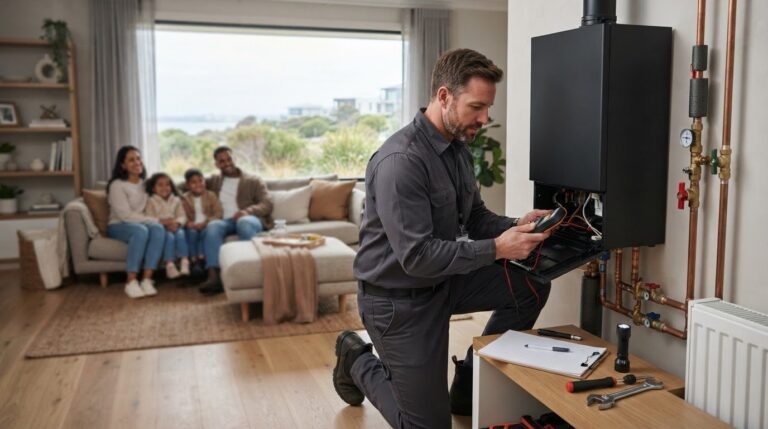
A comprehensive hydronic heating service goes far deeper than what you can achieve by simply adjusting the thermostat. During a professional visit, a technician verifies boiler gas pressure or heat pump refrigerant levels to ensure the system is operating at its peak potential. We also ensure your hydronic radiator panels are bled and balanced correctly. This professional touch can often save 10 to 15% on running costs by ensuring the system doesn’t have to overwork to reach your desired temperature, protecting the longevity of your investment.
Upgrading for Better Control
If you’re still using old analogue dials, you’re likely missing out on significant energy savings and the health benefits of a stable climate. Replacing these with digital, programmable controllers allows for much finer precision in your daily heating schedule. For those looking at long-term sustainability, integrating your hydronic system with solar PV can provide near-zero-cost daytime warmth. If your system isn’t delivering the premium comfort you expect, Contact Melbourne Hydronic Heating for a professional system audit and temperature calibration. With over 30 years of local experience, we’ll help you maintain the best temperature to set hydronic heating for your family’s wellbeing and comfort.
Secure Your Home’s Winter Comfort Today
Mastering your home’s climate is a journey that begins with technical precision. We’ve explored how balancing water flow temperatures with ambient thermostat settings creates a more efficient environment. You now understand how to adjust for Melbourne’s unpredictable seasonal shifts and use smart zoning to keep bills low without losing that premium radiant warmth. Finding the best temperature to set hydronic heating isn’t just about saving money; it’s about creating a healthy, allergy-friendly sanctuary where your family can thrive during the coldest Victorian months.
To ensure your system is perfectly calibrated for the years ahead, it’s wise to rely on local experts who understand our unique housing stock. Optimise your home’s comfort with a professional hydronic service from Melbourne Hydronic Heating. With 30 years of local experience and specialist radiator and underfloor technicians, our family-owned team provides dedicated Geelong and Melbourne support you can trust. You deserve a living space that’s consistently warm and incredibly efficient. Let’s work together to make this winter your most comfortable one yet.
Frequently Asked Questions
Is 20 degrees the best temperature for hydronic heating?
Yes, 20°C is generally the gold standard for living areas in Melbourne. It provides a premium feel of warmth while maintaining high energy efficiency. Because hydronic systems use radiant heat, 20°C feels significantly warmer than the same setting on a ducted system. We recommend dropping this to 16°C or 18°C in bedrooms to support better sleep quality and reduce your overnight gas or electricity consumption across Victoria.
Should I turn my hydronic heating off at night to save money?
No, it’s more efficient to use a “setback” temperature. Turning the system completely off allows your home’s thermal mass to cool down, which requires a massive energy spike to recover in the morning. By setting your thermostat to 16°C overnight, you maintain a baseline of warmth. This strategy is the best temperature to set hydronic heating during a cold Melbourne winter to ensure your boiler doesn’t overwork.
Why is my hydronic radiator hot at the bottom but cold at the top?
This usually indicates trapped air at the top of the unit. Air prevents the hot water from circulating through the entire panel, which significantly reduces your heating performance. You can often fix this by “bleeding” the radiator with a small key. However, if the issue persists across multiple Hydronic Radiator Panels, it may signal a pressure drop or the need for a professional system balance to restore technical precision.
What temperature should I set my hydronic boiler to?
This depends entirely on your emitters. For Hydronic Radiator Panels, a water flow temperature between 60°C and 75°C is ideal for a rapid response. If you have Hydronic Underfloor Heating, your boiler should be set much lower, typically between 35°C and 45°C. Correctly matching these water temperatures to your home’s infrastructure is vital for maximizing system longevity and keeping your monthly energy bills as low as possible.
How long does it take for hydronic heating to warm up a house?
Hydronic systems are known for their gentle, steady warmth rather than instant heat. Radiator panels typically take 20 to 30 minutes to become effective, while underfloor systems can take several hours due to the thermal mass of the concrete slab. This is why we suggest programming your “Wake Up” schedule to begin at least 30 minutes before you need the warmth, ensuring your home reaches thermal equilibrium exactly when you need it.
Can I set different temperatures for different rooms with hydronic heating?
Yes, you can achieve room-by-room control using Thermostatic Radiator Valves (TRVs) or electronic zoning. TRVs allow you to manually dial down the heat in a guest room while keeping your main living area at a premium comfort level. This zoning capability is one of the most effective ways to reduce energy waste, as it prevents you from heating unoccupied spaces throughout your Melbourne or Geelong property.
Does lowering the flow temperature on my heat pump really save money?
Lowering the flow temperature is the single most effective way to boost the efficiency of Electric Heat Pumps. These units operate with a higher Coefficient of Performance (COP) when they don’t have to heat water to extreme levels. By setting your flow to 45°C instead of 55°C, you can significantly reduce your power usage. It’s a technical adjustment that aligns perfectly with a modern, environmentally conscious Melbourne lifestyle.
What is the best thermostat for hydronic heating in Melbourne?
The best thermostat is a digital, programmable model that offers Wi-Fi connectivity and outdoor reset capabilities. These devices allow you to find the best temperature to set hydronic heating remotely and adjust automatically based on Melbourne’s volatile outdoor conditions. Brands that integrate with smart home systems provide the highest level of control, allowing you to monitor your energy consumption and maintain a stable, asthma-friendly environment with minimal effort.