
Heat Pump Installation Melbourne: The 2026 Homeowner’s Guide
Why are you still paying an ever-increasing “gas tax” to keep your home warm when the technology to slash your energy bills is already available? It’s completely understandable if you feel hesitant about making the switch. Many Victorian homeowners worry that moving away from gas might mean sacrificing that deep, radiant warmth during a bitter Melbourne cold snap, or they find themselves lost in the maze of changing 2026 government rebates. You deserve a heating system that offers both premium comfort and long-term financial security.
A high-quality hydronic heat pump installation melbourne residents can trust requires a blend of technical precision and local expertise. We’ve spent over 30 years perfecting home climate solutions, and we know that a successful transition is about bespoke design rather than just hardware. In this 2026 guide, you’ll discover how to navigate the latest Solar Victoria income caps and VEU program updates to maximize your savings. We’ll also explain how modern air-to-water systems maintain incredible efficiency even when the temperature drops, ensuring your home remains a sanctuary of health and well-being. From radiator retrofits to underfloor configurations, we’ll give you the clarity needed to future-proof your property’s comfort.
Key Takeaways
- Understand how Victoria’s 2026 energy shift makes air-to-water heat pumps the superior choice for consistent, radiant home warmth.
- Learn how a professional hydronic heat pump installation melbourne relies on precise heat-loss calculations to ensure peak performance during our coldest months.
- Master the concept of Coefficient of Performance (COP) to select a unit that maintains high efficiency even in the variable Victorian climate.
- Navigate the updated 2026 Solar Victoria rebates and carbon credit schemes to significantly reduce your upfront investment.
- Discover the long-term health and lifestyle benefits of choosing a design-led installation that eliminates cold spots and improves indoor air quality.
Why Melbourne Homeowners are Switching to Heat Pump Hydronic Heating in 2026
Victoria’s energy landscape is shifting rapidly. With the state’s Gas Substitution Roadmap driving a move toward all-electric living, the era of gas-dependent heating is drawing to a close. A professional hydronic heat pump installation melbourne residents invest in today is a strategic move toward energy independence. These systems don’t burn fuel to create heat. Instead, they use advanced air-to-water technology to move heat from one place to another, providing the same luxurious warmth without the carbon heavy footprint.
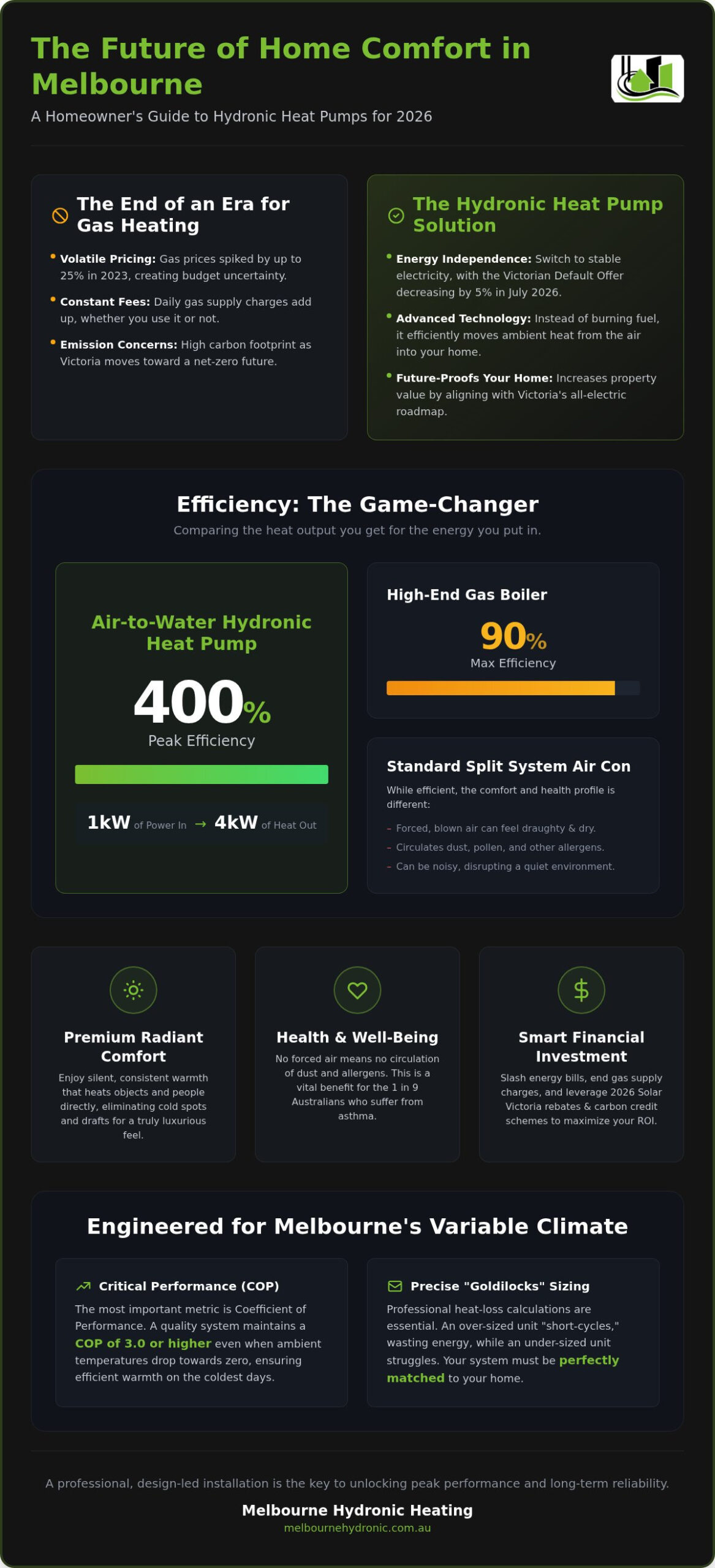
You might wonder how a unit can find heat on a 5°C Melbourne morning. It’s all about thermodynamics. To grasp the technical foundation, it helps to learn how heat pumps work by concentrating ambient thermal energy through a refrigeration cycle. This process is incredibly efficient. While a high-end gas boiler might reach 90% efficiency, a modern heat pump operates at 350% to 400% efficiency. This means for every kilowatt of power you pay for, you receive up to four kilowatts of heat in return.
The Environmental and Economic Drive in Victoria
Choosing an all-electric hydronic heating system protects your household from the volatility of the fossil fuel market. Gas prices in Victoria spiked by up to 25% in 2023, while the Victorian Default Offer for electricity actually decreased by 5% in July 2026. By removing the gas connection, you eliminate daily supply charges and significantly reduce your home’s emissions. It’s a smart way to future-proof your property’s market value as buyers increasingly look for sustainable, net-zero ready homes in the Melbourne and Geelong regions.
Hydronic Comfort vs. Standard Electric Heating
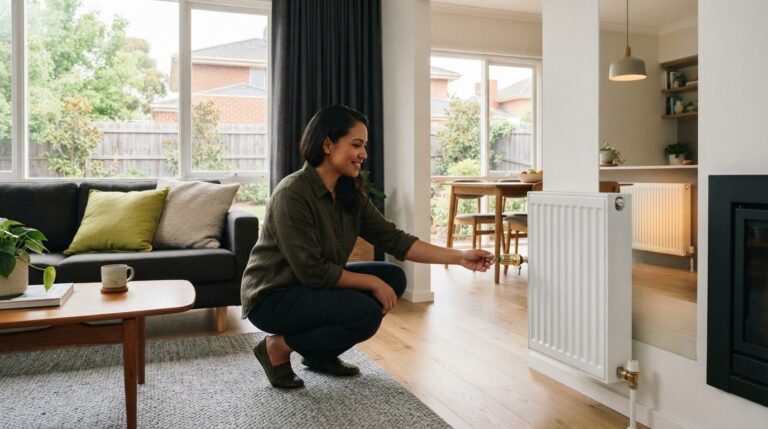
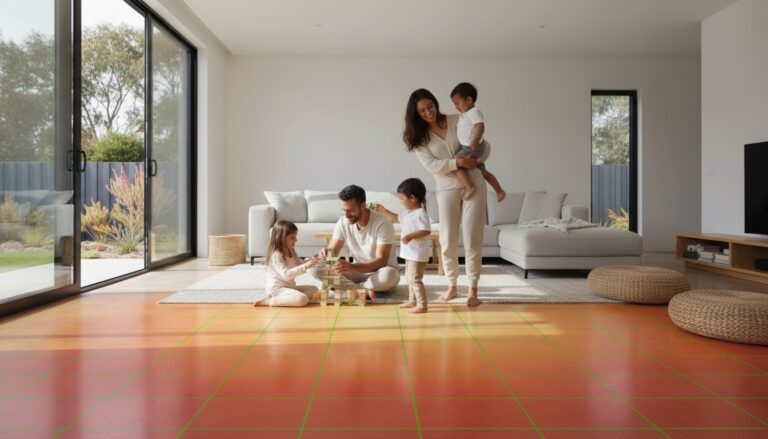
Many people confuse heat pumps with standard split system air conditioners, but the experience of living with them is vastly different. Split systems rely on forced air, which can feel draughty, dry, and noisy. Hydronic systems provide silent, radiant warmth that heats objects and people directly. This is a vital health consideration; since 1 in 9 Australians suffer from asthma, the lack of blown dust and allergens makes a hydronic heat pump installation melbourne homes can rely on a superior lifestyle choice. You’ll enjoy a quiet, healthy environment that enhances your overall well-being during the long Victorian winter.
Selecting the Optimal Heat Pump for Melbourne’s Variable Climate
Selecting the right hardware for a hydronic heat pump installation melbourne requires more than just picking a brand from a brochure. You need a system that handles our specific “four seasons in one day” reality. The most critical metric is the Coefficient of Performance (COP). While many units boast high numbers at 15°C, you need to know how they perform when a frost hits Geelong or the Dandenongs. High-quality 2026 models maintain a COP of 3.0 or higher even when ambient temperatures drop toward zero, ensuring your home stays warm without a massive spike in power use.
Sizing is equally vital. Some installers make the mistake of over-sizing the unit, but this leads to inefficient “short-cycling” where the pump turns on and off too frequently. This wears out the compressor and wastes energy. A professional design-first approach calculates the exact heat loss of your home to find the “Goldilocks” size that provides steady, gentle warmth. You’ll also need to choose between Monobloc and Split systems. Monobloc units house all components in a single outdoor unit, making them simpler to install. Split systems separate the heat exchanger into an indoor module, which is often preferred in high-frost areas to prevent heat loss through external pipework.
When considering the financial side, it’s worth checking your eligibility for Victorian Government hot water rebates. These incentives can often be bundled with space heating upgrades to significantly improve your total return on investment. If you’re unsure which technology fits your floor plan, our team can help you design a custom solution tailored to your lifestyle.
Air-to-Water Heat Pump Technology Explained
Modern systems are remarkably resilient. Even when it’s 5°C outside, the refrigerant cycle extracts enough ambient energy to heat water for your home. This heated water is then circulated through your hydronic heating panels, providing that signature radiant comfort. If you’re retrofitting an older home, we’ll assess if your existing radiators are compatible with the lower flow temperatures typical of heat pumps, or if larger panels are needed to maintain comfort levels.
Top Features to Look for in 2026 Models
Noise is a major factor in high-density suburbs like Richmond or South Yarra. Look for models with “Quiet Mode” settings that comply with EPA Victoria noise protocols to keep your neighbours happy. Additionally, if you live near the coast in Geelong or the Bellarine Peninsula, ensure your unit has specialised anti-corrosion protection to withstand the salty air. Expert providers like BulletProof Air can assist in selecting systems that include these durable features. Smart Wi-Fi integration is also standard in 2026, allowing you to pre-heat your home from your phone so it’s perfectly cozy the moment you walk through the door.
The Step-by-Step Heat Pump Installation Process
A successful hydronic heat pump installation melbourne homeowners can rely on starts long before the hardware arrives at your property. It’s a precise engineering project that requires a deep understanding of your home’s thermal dynamics. Unlike gas boilers, which can often “overpower” a poorly designed system, heat pumps require exact calibration to deliver peak efficiency. Our technicians begin with a comprehensive site audit to evaluate your home’s thermal envelope, checking everything from ceiling insulation to the diameter of your existing copper pipework. This data allows us to perform a room by room heat loss calculation, ensuring the system provides consistent warmth even on the coldest July nights.
Once the design is finalised, the physical installation involves placing the outdoor unit on a stable, vibration dampened base. We then connect the unit to a high efficiency manifold, which acts as the “brain” of your system, distributing heated water to your radiators or floor coils. After the pipework is secured, the system undergoes rigorous commissioning. This is where we balance the flow rates and program the weather compensation curves, allowing the pump to automatically adjust its output based on the outdoor temperature. Per Victorian regulations, any work valued at $750 or more will be finalised with a VBA Compliance Certificate, ensuring your system meets the updated May 2026 plumbing standards.
Retrofitting Heat Pumps to Existing Systems
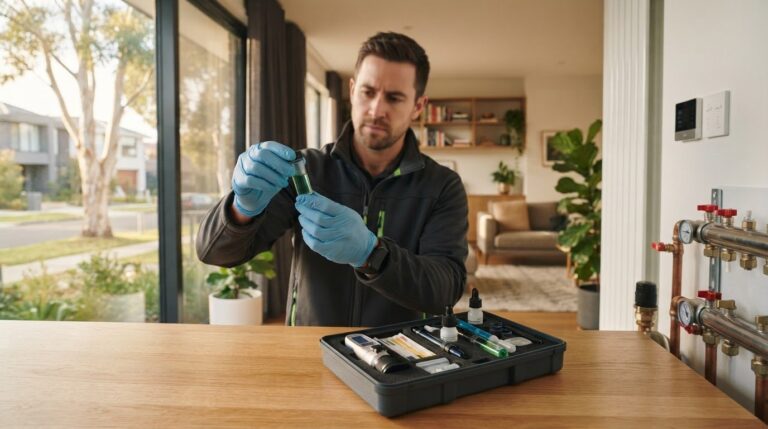
If you’re transitioning from a gas boiler, we must ensure your existing infrastructure is ready for the change. Heat pumps typically operate at lower flow temperatures than gas systems, which means your radiators need to be in peak condition to transfer heat effectively. We highly recommend a professional hydronic heating service melbourne wide, which includes a comprehensive power flush. This process removes built up magnetite and sludge from your pipes. Without it, debris can clog the heat pump’s internal heat exchanger, leading to poor performance and potential hardware failure.
Installation Logistics in Melbourne and Geelong
When choosing a heating and cooling system, you must consider the physical constraints of your block. Melbourne and Geelong councils have specific setback rules and noise protocols for outdoor units. We carefully select locations that provide ample airflow while remaining discreet and quiet for your neighbours. Depending on the size of your home, we may also need to coordinate an electrical circuit upgrade. While many smaller homes run perfectly on single phase power, larger properties with extensive underfloor heating or multiple radiator zones might require a 3-phase connection to handle the peak load during winter start-ups.
Maximising ROI: Victorian Rebates and Running Costs
Investing in a hydronic heat pump installation melbourne is as much a financial strategy as it is a comfort upgrade. While the initial setup requires a higher capital outlay than a traditional gas unit, the 2026 energy market has tipped the scales firmly in favour of electrification. With gas prices in Victoria having surged by 25% in 2023 and the Victorian Default Offer for electricity decreasing by 5% on July 1, 2026, the operational savings are immediate. When you pair this with the Victorian Government’s aggressive push toward a gas-free future, the return on investment becomes a compelling argument for every homeowner in the region.
The most powerful way to accelerate your ROI is by integrating your heat pump with a rooftop solar PV system. This “solar synergy” allows you to run your heating during daylight hours, effectively using your own generated power to “charge” the thermal mass of your home. By pre-heating your slab or radiator network while the sun is out, you can often glide through the evening without drawing expensive peak power from the grid. This setup can turn your winter heating bill into a negligible expense, providing a level of financial security that gas systems simply cannot match.
To ensure you capture every available incentive, book a professional assessment to determine which rebates apply to your specific property and income level.
Understanding Victorian Government Incentives
Navigating the 2026 rebate landscape requires attention to recent policy shifts. As of July 1, 2026, the Solar Homes Program rebate of up to $1,000 for heat pumps now carries a reduced household income threshold of $150,000. If you select a system with at least 50% local content, that rebate can increase to $1,400. Beyond direct rebates, you can leverage the Victorian Energy Upgrades (VEU) program, where accredited providers apply discounts at the point of sale. Federal Small-scale Technology Certificates (STCs) also provide an upfront reduction in cost, though it’s vital to act soon as these credits decrease annually toward the scheme’s 2030 conclusion.
Long-term Savings Analysis
For a typical three-bedroom home in Melbourne, the winter running costs for a heat pump hydronic system range between $260 and $420. In comparison, an equivalent gas hydronic system costs between $480 and $680 for the same period. Modern air-to-water heat pumps in Melbourne typically achieve an average COP of 3.5 to 4.0 throughout the heating season. To maintain this high efficiency, we recommend a basic annual check-up to ensure the heat exchanger is clear and the system pressure is optimal. For insights into how professional HVAC standards are upheld in various climates, you can check out Zee Jay Mechanical. This minimal maintenance prevents the efficiency “creep” that often plagues older gas boilers, ensuring your payback period remains as short as possible.
Entrusting your home to a specialist is the most critical decision in your electrification journey. While many general plumbers are skilled with standard pipes, a hydronic heat pump installation melbourne homeowners can rely on requires a deep understanding of thermal engineering. Heat pumps operate on much tighter tolerances than old fashioned gas boilers. If the flow rates aren’t perfectly calibrated, you may experience “cold radiator syndrome,” where the system struggles to reach set temperatures. A specialist ensures every component, from the compressor to the furthest radiator panel, works in harmony to deliver that signature radiant warmth.
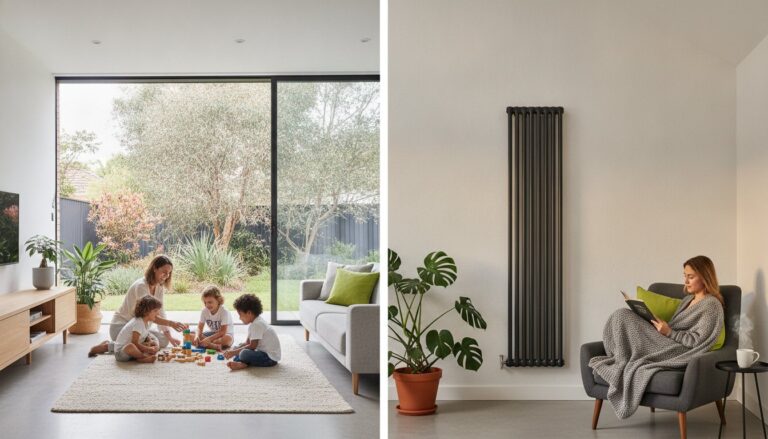
Beyond technical performance, the health advantages of this technology are a primary driver for many Victorian families. With 1 in 9 Australians suffering from asthma, the way we heat our homes directly impacts our respiratory well-being. Unlike split systems or ducted gas heating, which circulate dust, pet dander, and allergens through forced air, hydronic systems are completely silent and movement-free. They heat objects and people through gentle radiation. This creates a hygienic, hospital-grade environment that significantly improves the quality of life for allergy sufferers. It’s a premium lifestyle choice that prioritises your family’s health as much as your comfort.
At Melbourne Hydronic Heating, our 30-year legacy in Victoria is built on this commitment to excellence. As a family-owned business, we don’t just sell hardware; we design long-term comfort solutions. We understand the unique architectural challenges of Melbourne’s heritage homes and the performance requirements of modern Geelong builds. Our experience in hydronic-to-heat pump conversions ensures your transition is seamless and your system is optimised for the local climate from day one.
The Importance of Custom System Design
Generic, off-the-shelf sizing is a gamble that rarely pays off in Melbourne’s variable weather. We use a design-first approach that often incorporates buffer tanks and low-loss headers. These components act as a thermal reservoir, preventing the heat pump from “short-cycling” and significantly extending the life of the compressor. For larger properties in Geelong or the Bellarine Peninsula, this custom architecture ensures even heat distribution, so you never have to deal with cold spots in distant rooms. We calculate the specific hydraulic requirements of your home to guarantee peak efficiency even when the mercury drops.
Peace of Mind with Expert Aftercare
Your investment deserves protection. We only install premium heat pump brands that offer robust warranty support within Australia. To keep your system’s COP at that ideal 3.5 to 4.0 range, we provide comprehensive annual servicing. This proactive maintenance involves checking system pressures, cleaning filters, and ensuring the refrigerant charge is optimal. It’s the best way to safeguard your investment and ensure your home remains a sanctuary of warmth for decades to come.
Ready to switch? Contact Melbourne Hydronic Heating for a custom quote and take the first step toward a cleaner, healthier, and more efficient home.
Future-Proof Your Home’s Comfort Today
Transitioning to an electric home is no longer a trend; it’s a practical necessity in Victoria’s 2026 energy market. By choosing a high-efficiency air-to-water system, you’re doing more than lowering your carbon footprint. You’re investing in a superior level of radiant warmth and indoor air quality. We’ve explored how the right design can transform any Melbourne property into a sanctuary of health and well-being, protecting your family from rising gas prices while enhancing your lifestyle.
A successful hydronic heat pump installation melbourne relies on the technical precision that only comes with decades of local expertise. As a Victorian Government authorised retailer with over 30 years of industry experience, we specialise in bespoke, energy-efficient hydronic designs tailored for our unique climate. Don’t leave your comfort to chance or generic sizing that fails when the temperature drops. Our team ensures your system is engineered for longevity and peak performance.
Take the first step toward a cleaner, more economical future for your household. Get a Professional Heat Pump Installation Quote from our dedicated team today. We’re ready to help you navigate the latest rebates and design a system that delivers premium comfort for decades to come. Your home deserves the very best in modern heating technology.
Frequently Asked Questions
Is a heat pump enough to heat a large Melbourne home in winter?
Yes, a correctly engineered heat pump system provides consistent warmth for large properties even during the coldest Victorian nights. The key is a professional heat-loss calculation that considers your home’s insulation and glazing. Unlike older systems that cycle on and off, modern units maintain a steady temperature. We’ve spent 30 years designing these systems for Melbourne’s unique weather, ensuring your living areas remain a sanctuary of comfort regardless of the house size.
How much does it cost to install a hydronic heat pump in Melbourne?
The total investment for a hydronic heat pump installation melbourne homeowners choose varies based on the property’s size and whether you’re retrofitting or starting a new build. While the upfront cost is higher than a gas boiler, the long-term savings on energy bills and the removal of gas supply charges lead to a faster payback period. We provide detailed, project-based quotes that include the full design, supply, and installation tailored to your specific infrastructure.
Can I use my existing gas hydronic radiators with a new heat pump?
In many cases, your existing radiator panels are compatible with a new heat pump system. However, because heat pumps operate at lower flow temperatures than gas boilers, we must assess if your current panels have enough surface area to heat the rooms effectively. Before any transition, we perform a comprehensive power flush to remove debris. This protects your new hardware and ensures the heat exchange remains efficient throughout the winter season.
Are heat pumps noisy for neighbours in suburban Melbourne?
Modern air-to-water heat pumps are designed for quiet operation and must comply with strict EPA Victoria noise protocols. When we design your system, we carefully select the outdoor unit’s location to ensure it doesn’t disturb your neighbours or your own quiet enjoyment. Many 2026 models include “Quiet Mode” settings for night-time use. Proper placement on vibration-dampened bases further reduces any sound, making them perfectly suitable for high-density Melbourne suburbs.
What government rebates are available for heat pumps in Victoria in 2026?
Eligible Victorian households can access the Solar Homes Program rebate, which offers up to $1,000 for heat pump upgrades, or up to $1,400 for systems with significant local content. As of July 2026, the combined annual household income threshold for this rebate is $150,000. You may also benefit from the Victorian Energy Upgrades (VEU) program and Federal Small-scale Technology Certificates (STCs), which provide upfront discounts at the point of sale through authorised retailers.
How long does a heat pump installation typically take?
A standard conversion from a gas boiler to an electric heat pump usually takes between two and four days. This timeline includes the removal of your old unit, the placement of the new outdoor pump, and the technical commissioning of the system. More complex projects involving new underfloor pipework or extensive radiator retrofits in larger Geelong homes may take longer. We always provide a clear schedule before work begins to minimise any disruption to your routine.
Do I need to upgrade my electrical switchboard for a heat pump?
Transitioning from gas to an all-electric heating system often requires an electrical assessment. Depending on your current switchboard’s capacity and the size of the heat pump, you might need a dedicated circuit or even an upgrade to 3-phase power. This is particularly common in larger Melbourne homes where the electrical load increases significantly during the initial winter start-ups. We coordinate with qualified electricians to ensure your home’s infrastructure safely supports your new energy-efficient system.
How does a heat pump help with asthma and allergies compared to ducted heating?
Hydronic systems are the gold standard for respiratory health because they provide radiant warmth without moving air. Standard ducted gas heating can circulate dust, pet dander, and allergens, which is a major concern since 1 in 9 Australians has asthma. By choosing a hydronic heat pump installation melbourne families enjoy a hospital-grade environment. There are no fans blowing particles around, resulting in a cleaner, more hygienic home that significantly improves the daily well-being of allergy sufferers.