
Hydronic Heating Installation in Melbourne: The Complete 2026 Guide
What if the air you breathe inside your Melbourne home during winter is actually undermining your family’s health? Most Victorian homeowners accept the dry, dust-heavy air of ducted systems as an inevitable trade-off for warmth. You want a cozy sanctuary, but you’re likely feeling the pressure of Victoria’s shifting gas regulations and the anxiety of a messy renovation. We know the fear of choosing an installer who doesn’t treat your existing floorboards with the respect they deserve during a hydronic heating installation.
You deserve a home that’s both silent and surgically clean. This 2026 guide empowers you to master the complexities of custom system design, showing how modern electric heat pumps can slash your energy bills by up to 65% compared to old-fashioned boilers. We’ll walk through the exact steps our local experts take to ensure a premium, non-invasive result. You’ll learn how to navigate the transition to sustainable energy while securing the quiet, allergen-friendly luxury your family deserves for years to come.
Key Takeaways
- Experience the health benefits of a dust-free, allergen-friendly home by understanding why water-based heat is becoming Melbourne’s premier lifestyle choice.
- Compare the installation footprints and response times of radiator panels versus underfloor systems to find the perfect fit for your home’s unique architecture.
- Master the technical shift to sustainable energy by learning the specific hydronic heating installation requirements for modern electric heat pumps in line with 2026 Victorian standards.
- Gain peace of mind by following our 5-step expert roadmap, ensuring your system is designed with precise heat load calculations for maximum efficiency.
- Streamline your custom system design by using our pre-installation checklist to gather floor plans and insulation data for a more accurate project quote.
Understanding Hydronic Heating Installation in Melbourne
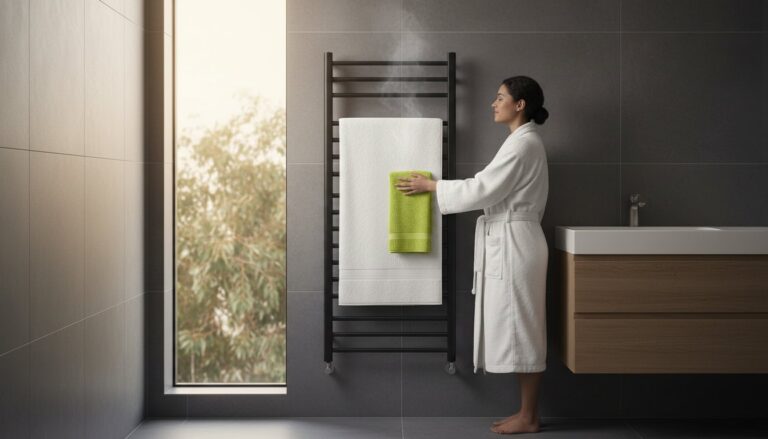
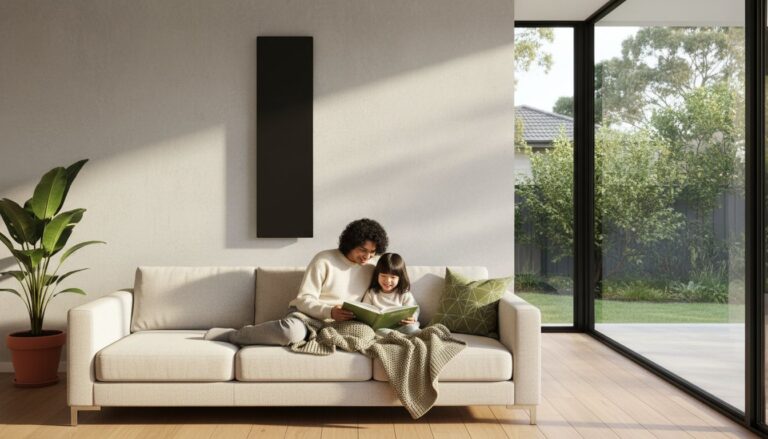
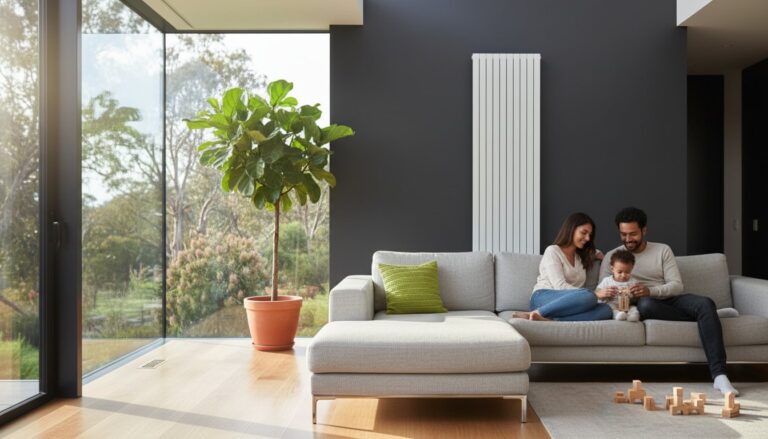
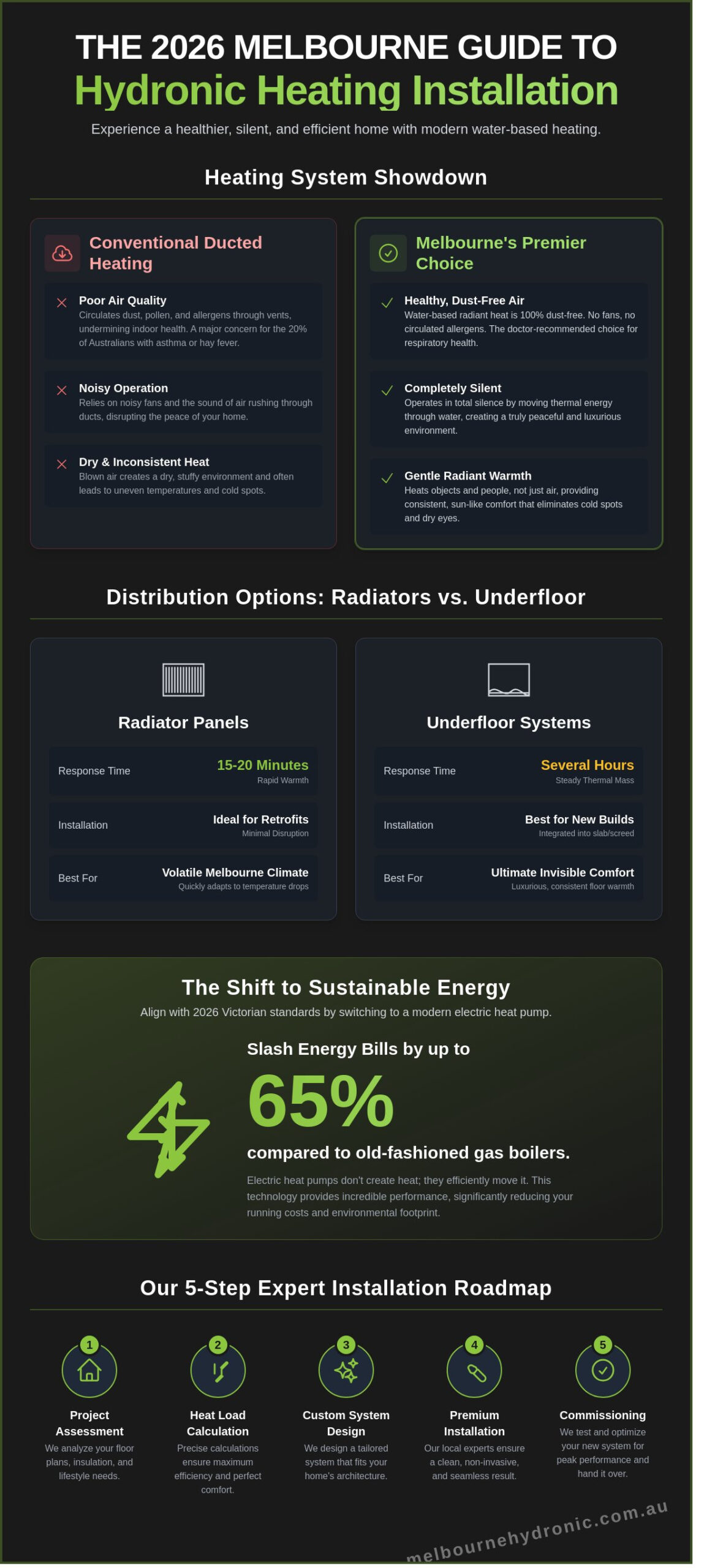
Choosing a hydronic heating installation is more than a simple utility upgrade; it’s a long-term lifestyle investment for your Melbourne home. While traditional ducted systems rely on blowing dry, recycled air through dusty vents, hydronic systems use the natural power of water to move thermal energy silently. This method creates a gentle, radiant warmth that mimics the sun, heating objects and people rather than just the air volume. It’s a premium solution for families who value quiet comfort and consistent temperatures throughout the entire floor plan.
The health benefits remain a primary driver for Victorian homeowners. Melbourne’s high pollen counts often trigger respiratory issues, and doctors frequently recommend hydronic systems for the 20% of Australians living with hay fever or asthma. Because there are no fans or moving air, the system is completely dust-free. You won’t find allergens or pet dander circulating between rooms, which significantly improves indoor air quality. The core components of this system include a high-efficiency heat source, such as a condensing gas boiler or an electric heat pump, connected to a network of insulated piping and emitters like wall-mounted radiators or Underfloor heating systems.
New Builds vs. Retrofitting in Melbourne Homes
Structural requirements vary significantly across Melbourne’s suburbs. For new coastal builds on the Mornington Peninsula, we focus on slab-integrated systems that provide incredible thermal efficiency. Conversely, retrofitting double-brick heritage homes in Bayside requires a delicate touch; we often run piping through floor joists or behind ornate skirting boards to preserve architectural integrity. Engaging a specialist during the early design phase is crucial, as integrated planning can save you 20% on total installation costs compared to mid-construction changes.
The Local Climate Factor: Why Hydronics Win in Victoria
Melbourne’s “four seasons in one day” requires a system that’s both powerful and responsive. Modern hydronic controls use outdoor sensors to monitor temperature shifts, adjusting the boiler’s output before your home’s interior even begins to cool. This proactivity is essential during July nights when temperatures frequently drop to 2 or 3 degrees. By utilizing the thermal mass of your home, radiant heat maintains a steady, luxurious environment that split systems simply can’t match. You’ll enjoy a home that stays warm without the dry eyes or noisy fans associated with traditional heating.
Distribution Options: Radiators vs. Underfloor Systems
Choosing the right distribution method for your hydronic heating installation determines how quickly your home reacts to a sudden 10-degree drop in Melbourne temperature. Radiator panels offer a rapid response time, often reaching full warmth within 15 to 20 minutes. This agility makes them the preferred choice for the city’s volatile climate where “four seasons in one day” isn’t just a cliché. Underfloor systems provide a consistent, invisible heat that turns your entire floor into a thermal mass, though they require several hours to reach peak temperature.
Aesthetics play a significant role in modern Melbourne renovations. Premium Italian-designed panels from brands like DeLonghi or Immergas act as architectural features rather than just heaters. These slimline units integrate into your decor while providing the dust-free, allergy-friendly warmth that defines hydronic systems. For multi-storey homes, we recommend independent zoning. By separating upstairs sleeping quarters from downstairs living areas, you can maintain 18°C in bedrooms while keeping the lounge at a comfortable 21°C, potentially reducing annual running costs by 15%.
Understanding how heat pumps work as the energy source is vital here. These units efficiently transfer heat into your water loop, whether it’s destined for a sleek wall panel or a hidden floor coil. If you’re unsure which setup fits your floorplan, our team can provide a tailored system design for your property.
Hydronic Radiator Panel Installation
Strategic placement is the secret to efficiency. We position radiators under windows to trigger natural convection, where the rising heat “intercepts” cold air entering through the glass. In older Melbourne villas with 3.6-metre ceilings, we upsize panels by roughly 20% to account for the larger air volume. Our technicians use specialized wall-chasing tools or floor joist threading to ensure pipework remains completely hidden, leaving only the elegant valves visible.
Underfloor Heating: The Slab and Screed Process
For new builds, in-slab installation involves securing PEX piping to the structural steel before the concrete pour. In renovations, we often use an in-screed method where pipes sit in a thinner 30mm layer of specialized concrete. To prevent up to 25% of your heat from escaping into the ground, we install high-density R2.5 insulation boards beneath the coils. For maximum efficiency, we recommend pairing these systems with porcelain tiles or polished concrete, as these materials offer the highest thermal conductivity.
The Shift to Electric: Heat Pump Installation in 2026
Victoria’s Gas Substitution Roadmap has fundamentally altered the landscape for Melbourne homeowners. Since the 2024 ban on gas connections for new residential builds, the market has pivoted decisively toward electric air-to-water heat pumps. These systems represent the pinnacle of hydronic heating installation efficiency. While traditional gas boilers rely on combustion, heat pumps extract ambient energy from the Melbourne air. A high-performance unit in 2026 delivers a Coefficient of Performance (COP) of 4.0; this means for every 1kW of electricity used, you receive 4kW of heat. When you integrate this with a 10kW solar PV system, your winter heating costs can effectively drop to A$0.
Noise concerns are a thing of the past. Modern premium units from brands like Rehau or Bosch operate at sound levels as low as 45 dB(A), which is quieter than a standard dishwasher. We focus on precision placement to ensure your system remains a silent partner in your home’s comfort. By choosing electric, you eliminate indoor carbon monoxide risks and support a dust-free, allergen-friendly environment that benefits your family’s respiratory health.
Upgrading from Gas to Electric Hydronics
Switching your existing system requires a professional assessment of your current radiator network. Older gas-fired systems typically circulated water at 75°C, whereas electric heat pumps are most efficient at 45°C to 55°C. We often recommend installing a 200-litre buffer tank; this acts as a thermal battery, preventing the heat pump from short-cycling and extending the compressor’s lifespan. Melbourne residents can currently access rebates through the Solar Victoria program, often exceeding A$1,000 for decommissioning old gas appliances.
Outdoor Unit Placement and Aesthetics
Strategic placement is vital for both performance and local council compliance. Most Melbourne councils require a 1.5-metre setback from boundary fences to manage acoustic footprints. We prioritise keeping the outdoor unit within 5 metres of the internal manifold; this proximity minimises heat loss through the insulated pipework and maintains a high COP. For those seeking year-round luxury, we can integrate fan coil units into your hydronic heating installation. This allows the system to provide gentle, draught-free cooling during Melbourne’s scorching January heatwaves.
The 5-Step Installation Process: What to Expect
A premium hydronic heating installation is a precise engineering project that transforms your home’s climate. We don’t guess when it comes to your comfort; we use data to drive every decision. Our process ensures your system operates at peak efficiency from the first day of the Melbourne winter.
- Initial Consultation: Our experts conduct detailed on-site heat load calculations. We analyze your home’s orientation, window glazing, and insulation R-values to design a system that perfectly matches your thermal profile.
- Rough-in Phase: We lay the “veins” of the system. This involves installing high-grade multilayer barrier piping and central manifolds before your floors are finished or walls are sealed.
- Component Fit-off: This is where the visible luxury appears. We mount your chosen Italian-designed radiators or install the energy-efficient heat pump or condensing boiler.
- System Commissioning: We don’t just turn it on. We pressure test the circuit at 6 bar and balance every valve to ensure every room reaches its target temperature simultaneously.
- Handover: We’ll show you how to master your smart thermostat. Proper scheduling for Melbourne’s erratic 14-degree shifts can save you up to A$400 annually on running costs.
The Importance of Power Flushing During Installation
We flush every system we install, including brand-new builds. Manufacturing debris, copper filings, and flux can trigger internal corrosion if they’re left inside your pipes. In Melbourne’s hard water zones, this proactive step prevents the build-up of magnetite sludge. This thick, black substance can tank your system’s efficiency by 15% within just three years and potentially void your manufacturer warranty. Our 2026 installation protocols include a chemical treat to ensure your water remains clear and your components stay protected for decades.
Local Compliance and Safety Standards
Every hydronic heating installation must be fully documented to protect your property. We provide a Victorian Building Authority (VBA) Compliance Certificate for every project over A$750, which is essential for your home insurance and future resale value. For residents in Cheltenham and surrounding bayside suburbs, we ensure all heat pump electrical work adheres strictly to AS/NZS 3000 safety standards. Our 30 years of local experience means we handle complex manifold setups with a level of technical precision that general plumbers simply can’t match.
Quote Preparation Tool: Your Pre-Installation Checklist
Securing an accurate quote for your hydronic heating installation requires more than just a quick walkthrough. To ensure your system performs at peak efficiency during a 3-degree Melbourne winter morning, you need to provide your contractor with specific technical data. Start by gathering your architectural floor plans; these allow our engineers to calculate the exact thermal mass and window-to-wall ratios of your home. Without these, you risk an undersized system that struggles to reach temperature or an oversized unit that wastes energy.
Next, document your current insulation levels. Victorian homes built before 1991 often lack wall insulation, which can increase your required heat load by up to 40 percent. Check your ceiling batts, ideally looking for an R5.0 rating, and verify if you have underfloor insulation. If you’re opting for a modern air-to-water heat pump, you’ll also need to check your electrical switchboard. These units typically require a dedicated 20A to 32A circuit. Finally, map out your priority zones. You might want the main living area at a constant 21 degrees while keeping guest bedrooms on a separate, lower-temperature circuit to minimize monthly running costs.
Questions to Ask Your Hydronic Installer
Don’t settle for a general plumber who only occasionally installs radiators. Ask if they are specialized hydronic contractors with dedicated design software. Inquire about the specific European brands they source, such as Immergas, DeLonghi, or Rehau, to ensure you’re getting Tier-1 components. Always request at least three local Melbourne references from the last 18 months. This confirms they understand Victorian building regulations and the specific challenges of local heritage home retrofits.
Booking Your Melbourne Hydronic Consultation
Our design-first approach prevents under-performing systems that leave rooms chilly or spike your utility bills. We leverage our 30-year local reputation in Victoria to provide solutions that aren’t just heaters; they’re long-term investments in your family’s health. By eliminating dust-heavy forced air, we create a sanctuary for asthma and allergy sufferers across Melbourne. Ready to transform your home’s comfort levels? Request your professional installation quote today and experience the silent, premium warmth of a custom-engineered hydronic heating installation.
Future-Proof Your Melbourne Home With Precision Heating
Investing in a premium heating system is about more than just warmth; it’s about creating a silent, dust-free environment that protects your family’s health. By 2026, the transition toward high-efficiency electric heat pump technology has established hydronic heating installation as the most sustainable choice for Victorian homeowners aiming to reduce long-term energy costs. Whether you select the rapid response of European designer radiators or the invisible luxury of underfloor systems, you’re securing a solution built to perform for decades.
Melbourne Hydronic Heating brings over 30 years of specialist experience to every project across Victoria. As a family-owned and operated local business, we’ve helped more than 5,000 residents achieve a seamless transition to modern, high-efficiency systems. We don’t just install hardware; we engineer bespoke comfort solutions that tackle the specific challenges of the Melbourne climate. You deserve a home that’s consistently warm, allergen-free, and remarkably quiet throughout the coldest months.
Book Your Expert Melbourne Installation Consultation
Take the first step toward a healthier, more efficient home today and experience the difference that three decades of local expertise makes.
Frequently Asked Questions
How long does a typical hydronic heating installation take in Melbourne?
A standard hydronic heating installation in a typical three bedroom Melbourne home usually takes between 3 and 5 business days to complete. If you’re opting for a complex 12 radiator retrofit or a multi zone slab system, the timeline might extend to 10 days. Our team works methodically to ensure every pipe connection meets Victorian plumbing standards while minimizing the time your home remains a construction zone.
Can I install hydronic heating in an existing double-storey home?
You can definitely install hydronic systems in existing double storey homes by utilizing floor voids and internal wall cavities. While ground floors often use underfloor access, we typically run pipework through internal wardrobes or ceiling voids for the upper level. About 85% of our multi level retrofits involve wall mounted radiators upstairs because they provide the same allergen friendly warmth without requiring major structural changes to your second floor.
Is hydronic heating more expensive to install than ducted gas?
Hydronic systems require a higher initial investment, typically costing between A$12,000 and A$22,000 compared to A$6,000 for basic ducted gas. However, you’re investing in a system with a 25 year lifespan, which is double the 12 year average of forced air units. The long term value comes from lower energy bills and the health benefits of a dust free environment that doesn’t circulate allergens.
Do I need a three-phase power upgrade for a hydronic heat pump?
You don’t necessarily need a three phase power upgrade for most residential hydronic heat pumps. Modern high efficiency units under 12kW capacity operate perfectly on standard single phase 240V Victorian residential power. If your home exceeds 350 square meters and requires a larger 16kW or 21kW unit, we’ll assess your switchboard to see if an A$2,500 to A$4,000 electrical upgrade is required for the extra load.
What is the best time of year to book an installation in Victoria?
The ideal window to book your hydronic heating installation is between October and March. During these warmer months, our installation lead times are usually 2 to 3 weeks shorter than the peak winter rush. Scheduling your project in summer ensures your home is ready for the first Melbourne cold snap in April without the stress of long waitlists or seasonal price increases from equipment suppliers.
Are gas boilers still being installed for hydronics in Melbourne in 2026?
Gas boilers are still available for retrofitting in existing Melbourne homes, though 70% of our 2026 clients now choose electric heat pumps. While the Victorian government introduced restrictions on new gas connections in 2024, you can still replace an old unit or install gas hydronics in a home with an existing connection. Most homeowners now prefer the electric heat pump for its 400% efficiency rating and sustainability.
How much disruption should I expect during a radiator retrofit?
You’ll experience moderate disruption for about 48 hours when we lift floorboards to lay the primary flow and return pipes. We work room by room to keep your living spaces functional and clean throughout the week. Our team uses HEPA filtered vacuums to maintain an allergen friendly environment, ensuring your home remains habitable and dust free during the entire installation process.
Does hydronic heating require regular servicing after installation?
We recommend a professional service every 12 months to maintain peak efficiency and protect your manufacturer warranty. A standard A$300 annual check involves testing the system pressure, checking the pH levels of the water, and topping up corrosion inhibitors. This preventative maintenance ensures your system continues to provide silent, healthy warmth for its full 25 year lifecycle while preventing costly component failures in the pump or boiler.