Hydronic Heating Panels Melbourne: The 2026 Homeowner’s Guide
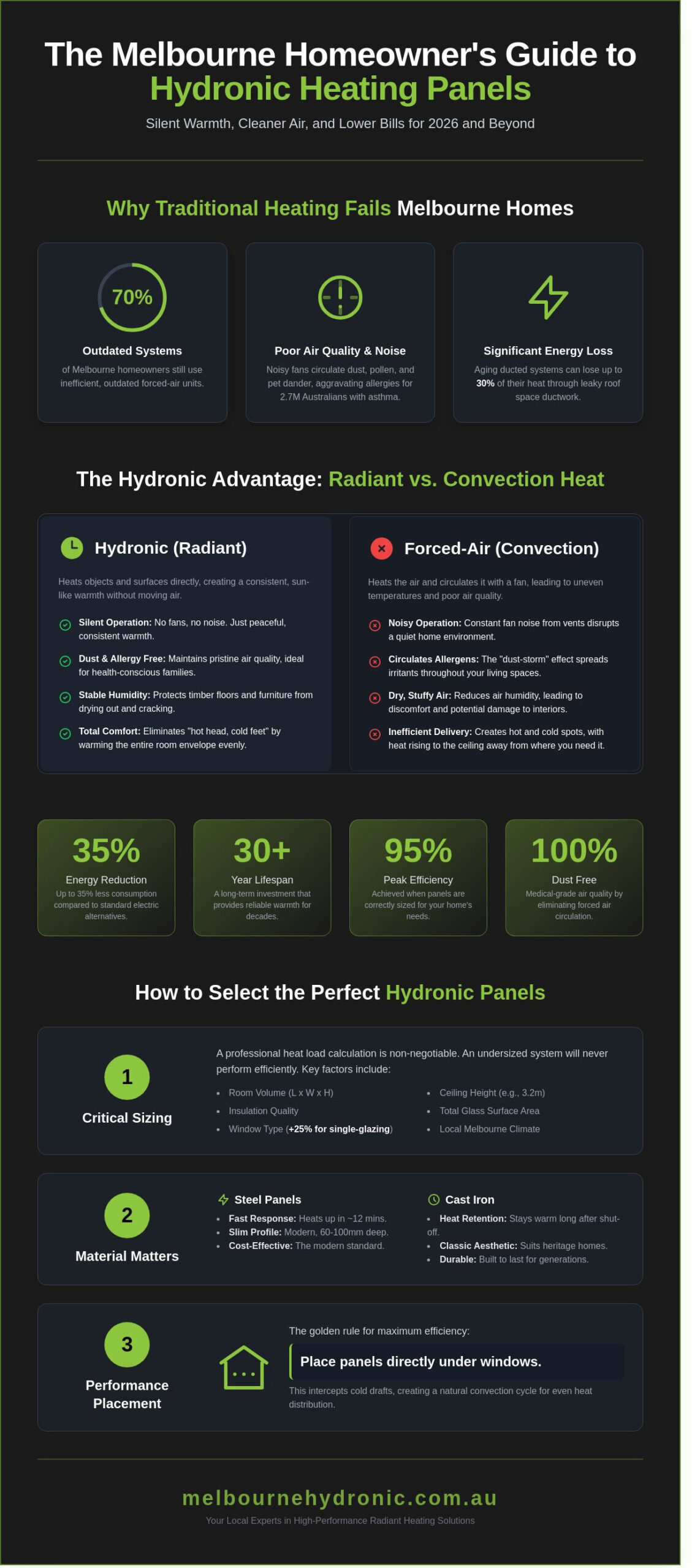
Your heating system should be felt, not heard, yet 70% of Melbourne homeowners still tolerate the rattling vents and circulating dust of outdated forced-air units. You likely agree that a home should be a sanctuary where the air is as clean as it is warm. Most Victorians accept rising energy bills as an unavoidable winter tax, but your choice of hardware actually dictates your long-term financial health. Investing in modern hydronic heating panels is the most effective way to eliminate the “dust-storm” effect of ducted systems while creating a silent, allergy-friendly environment for your family.
This 2026 guide helps you select radiator panels that can reduce energy consumption by up to 35% compared to standard electric alternatives. You’ll discover how to integrate premium European designs that look more like bespoke furniture than utility appliances. We’ll walk through the essential technical specifications and local Victorian installation standards you need to know to achieve a high-performance, stylish home this year.
Key Takeaways
- Learn why radiant heat is the superior choice for Melbourne’s damp winters, providing a dust-free and silent environment that improves your home’s air quality.
- Master the art of selecting the right hydronic heating panels by matching kW output to your room volume and choosing between responsive steel or heat-retaining cast iron.
- Discover how to balance performance and style, whether you require cost-effective standard panels for a renovation or bespoke designer radiators that serve as functional art.
- Future-proof your property by understanding the Victorian transition toward electric heat pumps and the technical requirements for retrofitting modern systems.
- Protect your long-term investment by learning the essential maintenance steps required to prevent corrosion and ensure your system provides reliable warmth for over 30 years.
What are Hydronic Heating Panels and Why Choose Them in Melbourne?
Melbourne’s winter isn’t just cold; it’s a damp, bone-chilling season that demands more than just moving hot air around. Hydronic heating panels are specialized heat emitters that use water to carry thermal energy from a central boiler or heat pump to various rooms. Unlike traditional split systems or gas ducted units that rely on noisy fans, these panels provide a silent, luxurious warmth. It’s the difference between standing in a gust of wind and sitting in the direct glow of the morning sun.
For the 2.7 million Australians currently living with asthma, this fan-free operation is a significant health advantage. Traditional forced-air systems circulate dust, pet dander, and pollen throughout the home. Because hydronic systems don’t move air to transfer heat, they maintain a “dust-free” environment. This medical-grade air quality is why Melbourne doctors frequently recommend these systems for families in the inner-east and bayside suburbs where older, dust-prone housing stock is common.
The Science of Radiant Heat vs. Convection
Radiant heat works through electromagnetic waves. It’s the same principle found in a Radiator (heating), where the unit warms the physical objects in a room rather than just the volume of air. When your sofa, walls, and floor absorb this energy, they become secondary heat sources. This prevents the “hot head, cold feet” syndrome common with ducted heating. Because the air isn’t being forced through dusty ceiling vents, humidity levels stay stable; this protects your expensive timber floors from drying out and cracking during a July cold snap.
Why Melbourne Homeowners are Switching to Hydronics
In suburbs across the Mornington Peninsula and Bayside, homeowners are ditching 15-year-old gas ducted systems for more efficient alternatives. These aging ducted units can lose up to 30% of their energy through uninsulated or leaky roof spaces before the air even reaches your living room. Switching to hydronic heating panels offers a superior long-term return on investment through reduced energy consumption and increased property resale value.
The aesthetic appeal has also shifted. Modern European panels have evolved far beyond the bulky cast-iron units of the past. Today’s Melbourne homes feature slimline, powder-coated designs that act as subtle architectural features. Whether you’re renovating a Victorian terrace in Fitzroy or building a contemporary home in Brighton, these systems offer a blend of technical precision and high-end design that matches the local lifestyle.
Choosing the Right Panels: Sizing, Material, and Output
Selecting the right hydronic heating panels requires more than just picking a style that matches your floorboards. It’s a technical calculation where kW output meets architectural reality. In Melbourne’s inner-city suburbs like Carlton or Fitzroy, wall space is a premium. Vertical panels allow you to reclaim 1.5 metres of horizontal wall space while delivering the same 2.0 kW output needed for a standard lounge room. We always recommend placing panels directly under windows. This position intercepts cold air drafts, creating a convection cycle that distributes heat evenly across the room. While Hydronic radiant floor systems offer invisible warmth, wall-mounted panels provide a faster response time that many Victorian homeowners prefer for its immediate impact.
Calculating Your Heating Requirements
Professional installers don’t guess. We look at your 3.2-metre ceilings, the lack of wall insulation in 1920s builds, and the total glass surface area. A standard 15-square-metre bedroom might require a 1.2 kW panel, but if you have single-glazed windows, that requirement jumps by 25%. It’s a hard rule in our industry: an undersized panel will never reach the desired set point in a Melbourne July. Getting the heat load calculation right ensures your boiler operates at its 95% peak efficiency rather than cycling constantly, which saves you significantly on long-term energy costs.
Material Matters: Steel Panel vs. Designer Cast Iron
The material you choose dictates how your home feels throughout the day. We typically categorise choices into three main types:
- Steel Panels: These are the modern standard for hydronic heating panels. They’re slim, usually only 60mm to 100mm deep, and heat up within 12 minutes.
- Cast Iron: If you live in a draughty period home in Camberwell, cast iron is the superior choice. These panels act as a “thermal flywheel,” retaining heat for up to 4 hours after the system shuts off.
- Aluminium: These provide the highest output per square centimetre. They contain less water, making them the most responsive option for rapid temperature changes.
Every home has a unique thermal profile. If you’re unsure which material suits your specific renovation, speak with our design team to find a solution that balances aesthetics with thermal performance. Choosing the right material ensures your system doesn’t just look good, but actually performs when the temperature drops to 4°C overnight.
Designer vs. Standard Radiators: Aesthetics Meet Performance
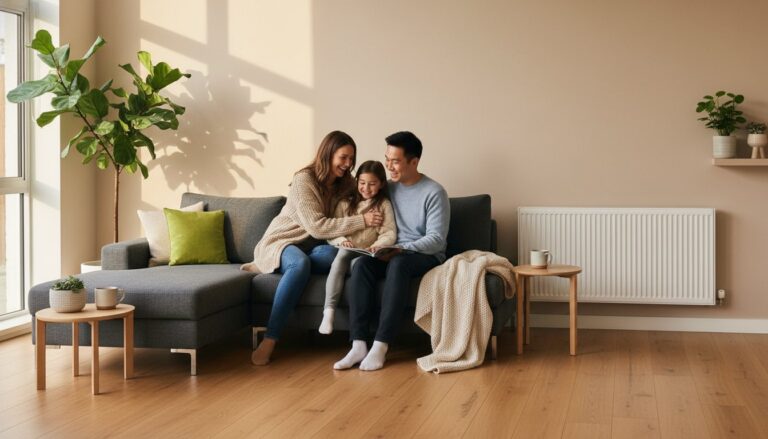
Choosing the right hardware for your home involves balancing thermal output with interior design. Standard hydronic heating panels, such as those from Brugman or DeLonghi, remain the most popular choice for Melbourne homeowners. These European-engineered units provide a cost-effective solution without sacrificing reliability. They’re manufactured from high-quality steel and finished in a neutral white powder coat, making them ideal for bedrooms or laundry areas where functionality is the priority. These panels are roughly 25% more efficient than older style radiators found in 1970s builds.
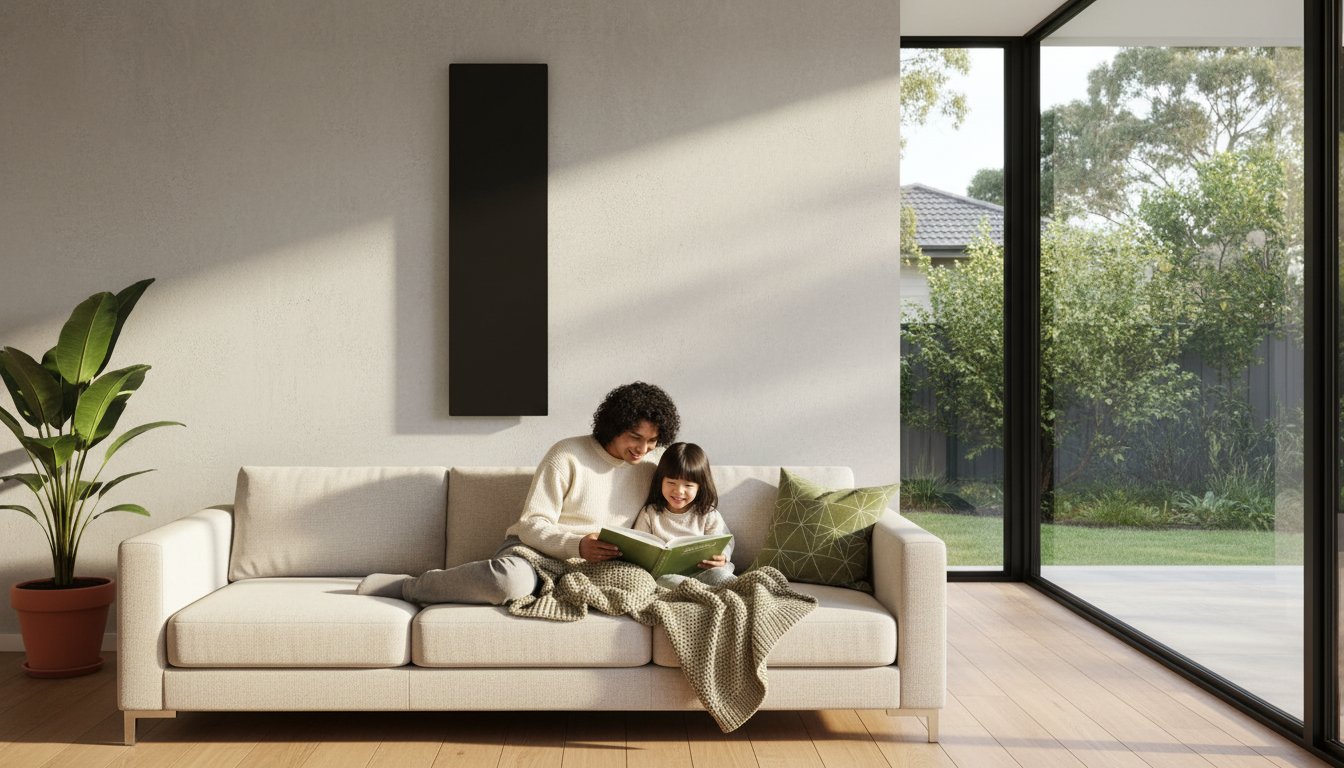
Customization transforms these functional tools into integrated design elements. You’re no longer limited to basic white. We offer over 200 RAL color finishes to ensure your radiators complement your specific interior palette. This flexibility allows the system to blend into a dark feature wall or stand out as a bold statement piece. The Australian Government’s guide to heating and cooling emphasizes that well-chosen emitters improve overall home energy performance by matching the specific needs of each room.
When to Invest in Designer Radiator Panels
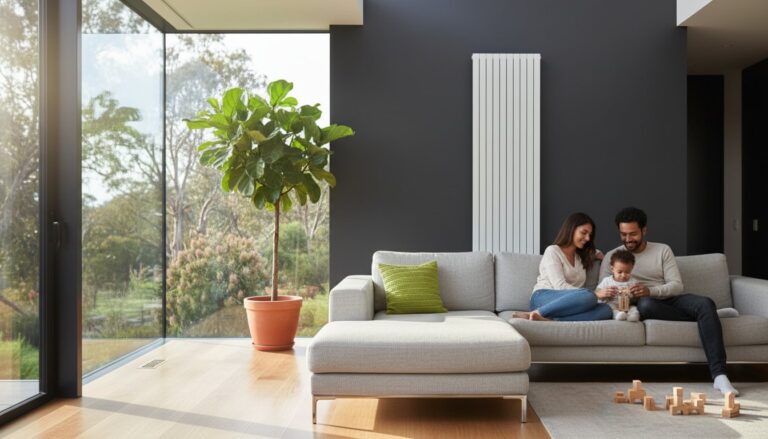
Designer models like the Miro or the Iguana series are perfect for open-plan living spaces where traditional panels might disrupt the visual flow. These Italian-designed hydronic heating panels act as functional art. Vertical models are particularly effective in narrow Melbourne hallways; they utilize wall height rather than floor width to deliver heat. Seeing a beautiful, warm object in your living room provides a psychological sense of coziness that hidden vents simply can’t match. It’s a premium choice that adds tangible value to a modern renovation.
Heated Towel Rails and Trench Heating
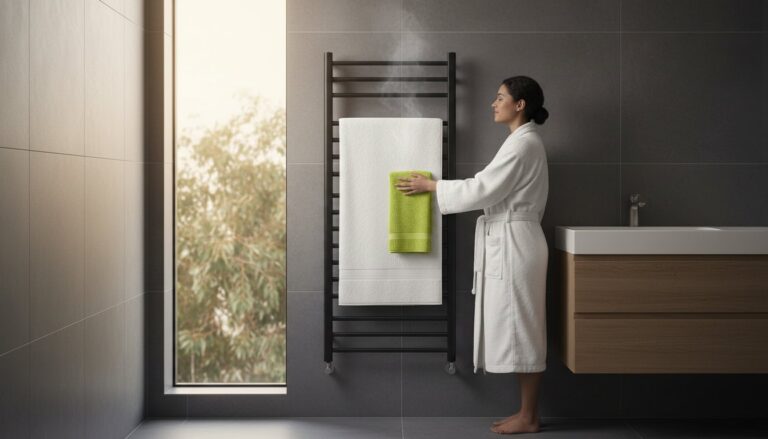
Melbourne’s damp winters make a hydronic towel rail a necessity rather than a luxury. These rails keep towels dry and inhibit mold growth by maintaining a consistent surface temperature of roughly 50 degrees Celsius. They don’t just warm your towels; they provide enough radiant heat to keep the entire bathroom comfortable and condensation-free.
In rooms with floor-to-ceiling glass, trench heating offers an invisible solution. We install these units directly into the floor, creating a curtain of warm air that prevents drafts and fogging on the glass. You can easily integrate these different emitters into a single, cohesive system. This ensures every room receives the precise level of dust-free, silent heat it requires while maintaining the architectural integrity of your home.
Installation and Efficiency: Heat Pumps vs. Gas Boilers in 2026
Victoria’s energy landscape changed permanently following the 2023 Gas Substitution Roadmap. By 2026, the transition toward all-electric homes has made the choice between gas and electricity much simpler for Melbourne residents. While gas boilers were once the standard for hydronic heating panels, electric air-to-water heat pumps now lead the market in efficiency and sustainability. This shift isn’t just about policy; it’s about the superior coefficient of performance (COP) that heat pumps offer, often delivering four units of heat for every one unit of electricity consumed.
Precision engineering defines a modern installation. We use high-quality multi-layer composite pipe (MLCP) and German-engineered manifolds to ensure zero leaks and optimal flow. Smart zoning is the secret to lower running costs. Controlling each room individually allows you to heat only the spaces you’re using. The data shows this approach typically slashes energy bills by 20% compared to older, single-zone central heating systems.
Pairing Panels with Electric Heat Pumps
Heat pumps extract ambient heat from the outside air, even when Melbourne mornings hit 2°C. These systems operate at lower water temperatures than gas boilers. To compensate, we size your hydronic heating panels larger to maintain that signature radiant warmth without overworking the compressor. Electric heat pumps are now the primary choice for new hydronic installations across Greater Melbourne. Homeowners can currently access rebates through the Solar Victoria program, which frequently provides up to A$1,000 for eligible heat pump upgrades in existing dwellings.
The Installation Process in Melbourne and Geelong
A whole-home installation usually takes 3 to 5 days. We specialise in retrofitting systems into heritage homes in Bayside and Boroondara, where preserving architectural integrity is vital. Our team works through subfloors or ceiling cavities to hide pipework, ensuring your renovation stays clean and dust-free. Local expertise is mandatory. Melbourne plumbing codes and AS/NZS 3500 standards require specific drainage and pressure testing that general contractors often overlook. We ensure every manifold is balanced correctly so that the furthest bedroom stays just as warm as the living room.
Don’t settle for a cold home this winter. Request a professional installation quote from our local experts today.
Longevity and Maintenance: Protecting Your Investment
Investing in hydronic heating panels isn’t a short-term fix for a cold winter; it’s a 25 to 30-year commitment to your home’s infrastructure. While standard split systems often require replacement after 10 or 12 years, a high-quality hydronic system is a once-in-a-generation purchase. The durability of European-engineered steel or aluminium panels means they won’t rattle, rust out quickly, or lose their aesthetic appeal if they’re treated with the right care.
The primary threat to this longevity is “sludge,” technically known as magnetite. This black iron oxide buildup occurs when internal corrosion goes unchecked. Sludge settles at the bottom of your panels, creating cold spots and forcing your boiler to work up to 25% harder to circulate heat. To combat this, annual servicing by a qualified Melbourne Hydronic Heating technician is essential. During a standard visit, we check:
- System water pH levels to ensure corrosion inhibitor concentrations are correct.
- The integrity of all seals and valves to prevent pressure loss.
- The expansion vessel’s charge to protect against internal stress.
- Boiler or heat pump efficiency ratings to keep running costs low.
If your system is more than 15 years old and feels sluggish, a professional power flush can be transformative. This process uses high-velocity water and specialized chemicals to strip away years of internal debris, effectively restoring an aging system to 100% of its original heating capacity.
Routine Care for Your Radiator Panels
You don’t need a trade certificate to keep your system humming between professional visits. If you notice the top of a panel is cooler than the bottom, it’s likely trapped air. Using a radiator key to “bleed” the air out takes less than 60 seconds. You should also check your boiler’s pressure gauge monthly; for most Melbourne homes, this should sit steadily between 1.0 and 1.5 bar. To maintain the premium finish of your hydronic heating panels, simply wipe them with a damp microfibre cloth. Avoid harsh chemical sprays that can degrade the powder coating over time.
The Melbourne Hydronic Heating Difference
Our 30 plus years of experience in Victoria means we’ve seen every type of installation challenge the local climate offers. We don’t just sell hardware; we provide a comprehensive design-to-installation service that prioritizes your family’s health and comfort. By choosing a local specialist, you ensure your system is optimized for Melbourne’s specific water conditions and architectural styles. We focus on creating dust-free, silent, and allergen-friendly environments that stand the test of time.
Book a consultation for your Melbourne hydronic system and secure a lifetime of premium warmth.
Secure Your Melbourne Home’s Comfort for 2026 and Beyond
Investing in hydronic heating panels is a strategic move for any Victorian homeowner looking to combine luxury with sustainability. By 2026, high-efficiency heat pump integrations can lower your energy bills by 30% while providing the healthiest, dust-free warmth available today. This silent, radiant heat eliminates the allergens common in forced-air systems, making it a vital choice for your family’s respiratory health. You’re not just installing a heater; you’re choosing a system designed to last 25 years or more.
We bring 30+ years of local experience to every project. As a family-owned and operated Victorian business, we specialize in sourcing and installing premium European designer panels that blend seamlessly with your interior architecture. Our expertise ensures your installation meets the highest technical standards while delivering the aesthetic finish your home deserves. We’ve seen every type of Melbourne winter, and we know exactly how to keep your space cozy regardless of the temperature outside.
Get a Free Quote for Your Melbourne Hydronic Installation
It’s time to experience the premium comfort of a professionally engineered heating system. Let’s start planning your home’s transformation today.
Frequently Asked Questions
Is hydronic heating better for asthma and allergies?
Yes, hydronic heating is the healthiest choice for asthma and allergy sufferers because it doesn’t use fans to circulate air. Unlike ducted systems that blow dust, pollen, and pet dander around the room, hydronic heating panels work through radiant heat. This process eliminates the forced air movement that triggers respiratory issues. Clinical data shows that reducing airborne dust can significantly improve sleep quality for the 11% of Australians living with asthma.
How much does it cost to install hydronic heating panels in Melbourne?
Most Melbourne homeowners invest between A$1,300 and A$1,800 per radiator for a professional installation. For a standard three bedroom home, a complete system typically ranges from A$10,000 to A$15,000 including the boiler or heat pump. These figures vary based on pipework complexity and the specific European brands you choose. While the initial outlay is higher than split systems, the 25% reduction in monthly energy bills provides a clear path to long term savings.
Can I use hydronic radiator panels with an electric heat pump?
You can certainly pair hydronic heating panels with an electric air to water heat pump. This combination is the gold standard for sustainable Melbourne homes. Modern heat pumps deliver 4kW of heat for every 1kW of electricity consumed, making them incredibly efficient. We often recommend sizing your radiator panels slightly larger when using a heat pump. This allows the system to run effectively at lower water temperatures while maintaining a 21 degree Celsius indoor climate.
Do hydronic radiators get too hot to touch for children or pets?
Standard radiator panels feel hot but won’t cause instant burns upon brief contact. They typically operate at surface temperatures between 60 and 75 degrees Celsius. If you have young children or pets, we install Low Surface Temperature (LST) radiators that stay below 43 degrees Celsius. These specialized units use a cool touch casing to ensure 100% safety in nurseries or high traffic areas while still providing effective radiant warmth for the room.
How long do hydronic heating panels last?
Quality hydronic panels are a lifetime investment that usually last 25 to 30 years. Most premium European steel panels come with a 25 year manufacturer warranty against leaks or corrosion. The heat source, such as a gas boiler, typically requires replacement after 15 years of service. Because the system has few moving parts, it’s significantly more durable than reverse cycle air conditioners which often fail after 10 years of heavy use.
Can I retrofit hydronic panels into an existing Melbourne home?
We can retrofit hydronic panels into almost any existing Melbourne home, especially those with subfloor access. Our team installs the pipework under your floorboards or through internal wall cavities to minimize disruption. Approximately 80% of our projects involve upgrading older weatherboard or brick veneer homes. The process usually takes 3 to 5 days for a standard residence and adds immediate capital value to your property while improving its energy rating.
Do I need to service my hydronic panels every year?
You should book a professional service for your hydronic system every 12 months. This annual check ensures the water pH levels remain balanced to prevent internal corrosion. A well maintained system operates 10% more efficiently than a neglected one. Our technicians inspect the expansion tank, bleed the air from the radiators, and test the boiler safety valves to guarantee your home stays warm throughout the Victorian winter without unexpected breakdowns.
Can I dry clothes on a hydronic radiator panel?
You can dry clothes near a radiator, but it’s best to use a dedicated drying rail rather than draping wet fabric directly over the panel. Covering the radiator restricts airflow and reduces the heating efficiency of the room. It also increases indoor humidity by up to 15%, which can lead to condensation issues on your windows. Using a clip on rack allows the radiant heat to dry your garments quickly without compromising the system’s performance or safety.